
Image: BBC Business
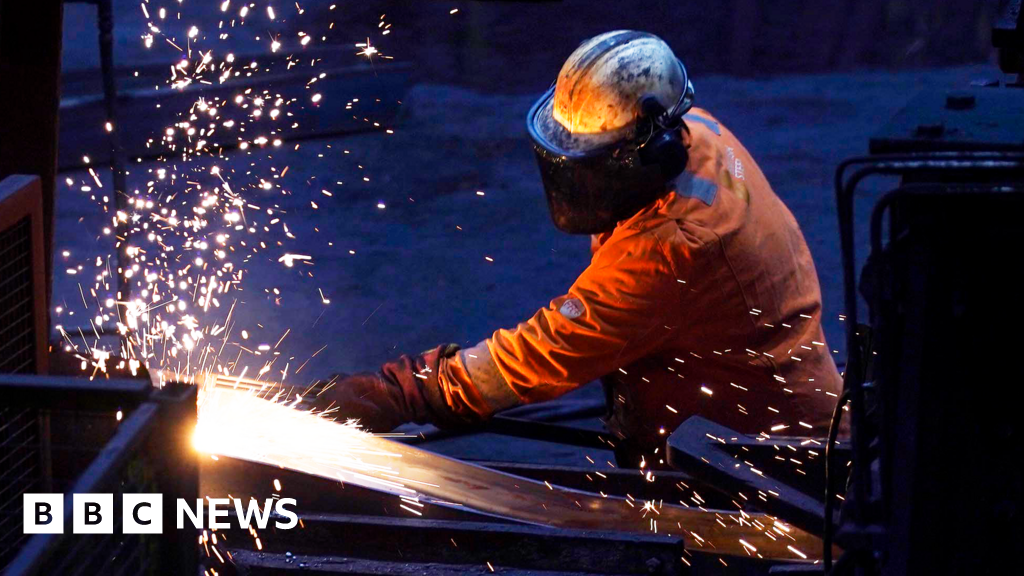
UK Prime Minister Sir Keir Starmer announces plans to nationalise British Steel, aiming to secure jobs and ensure the industry's future amid financial challenges.
GlipzoIn a significant announcement that could reshape the future of the UK steel industry, Prime Minister Sir Keir Starmer revealed plans to bring British Steel into public ownership. This move is aimed at ensuring the viability of the steelworks, especially following the government’s intervention to take control of the Scunthorpe facility from its previous owners, Jingye, in April 2022. The new legislation will be introduced this week and will grant the government the authority to take "full ownership of British Steel," contingent upon passing a public interest test.
The urgency of this decision stems from the government’s previous attempts to negotiate a commercial sale of British Steel, which ultimately proved unsuccessful. Starmer emphasized that public ownership is fundamentally in the public interest, reinforcing his commitment to transforming the steel industry during a period of leadership challenges within the Labour Party. He stated, "For the British people, change cannot come quickly enough," highlighting the pressing need for a strategic response to the ongoing industrial challenges.
The steelmaking sector has responded positively to the announcement, with Gareth Stace, director-general of UK Steel, describing the move as providing "vital certainty" for the 2,700 employees at British Steel and their clients. He underscored the importance of maintaining domestic production capabilities, not only for economic growth but also for the nation’s security and resilience. Stace noted:
Despite the optimism, Stace cautioned that nationalization should not be viewed as an end goal. He urged for a comprehensive long-term investment strategy to ensure the sustainable future of British Steel. Without a clear plan, the nationalization could become a temporary fix rather than a long-term solution.
The backdrop to this bold governmental step includes a year of turmoil for British Steel. After taking control of the Scunthorpe steelworks, the government intervened to prevent a potential shutdown of the blast furnaces, which are crucial for producing "virgin steel." This process involves extracting iron from its original source and purifying it, a method essential for high-quality steel used in major construction projects like buildings and railways.
Had the furnaces been allowed to be deactivated, restarting them would have posed significant challenges and costs. The urgency of this situation was heightened by Jingye’s claims that the Scunthorpe site was losing approximately £700,000 per day, rendering it financially unsustainable. Since the government took over, it has reportedly been spending around £1 million daily to keep operations running.
According to the National Audit Office (NAO), the cost of the current governmental oversight of British Steel has reached around £377 million to maintain operations, support workers, and secure raw materials for the Scunthorpe site. The NAO also warned that if the current spending trajectory continues, costs could escalate to over £1.5 billion by 2028, depending on future policy decisions.
While the exact financial implications of full nationalisation have yet to be disclosed, an independent valuation of British Steel will be conducted following the passage of this new legislation. This assessment will determine what, if any, compensation is owed to Jingye for their prior ownership.
Unions have expressed strong support for the nationalization initiative. In a joint statement, Roy Rickhuss, general secretary of the Community union, and Sharon Graham, general secretary of Unite, praised the decision, affirming that British Steel possesses a promising future due to its skilled workforce dedicated to producing strategically important steel. They stressed the need for the government to ensure that all publicly funded projects utilize UK-produced steel, thereby boosting local industries.
As the UK government prepares to introduce legislation for the nationalisation of British Steel, several critical factors will come into play: - Public Interest Test: The outcome of this test will be crucial in determining the feasibility of full ownership. - Long-Term Strategy: Stakeholders will be looking for a clear and actionable plan to ensure the financial health and sustainability of British Steel. - Investment Needs: The government will need to outline how it plans to invest in the infrastructure and technology necessary to modernize the steelworks.
In conclusion, the nationalisation of British Steel represents a pivotal moment for the UK’s industrial landscape. As the government navigates this complex transition, the focus will shift towards ensuring that this move translates into real benefits for the workforce, the economy, and the broader community. Stakeholders will be keenly observing how the government plans to implement its vision and whether it can restore British Steel to a position of strength in the global market.
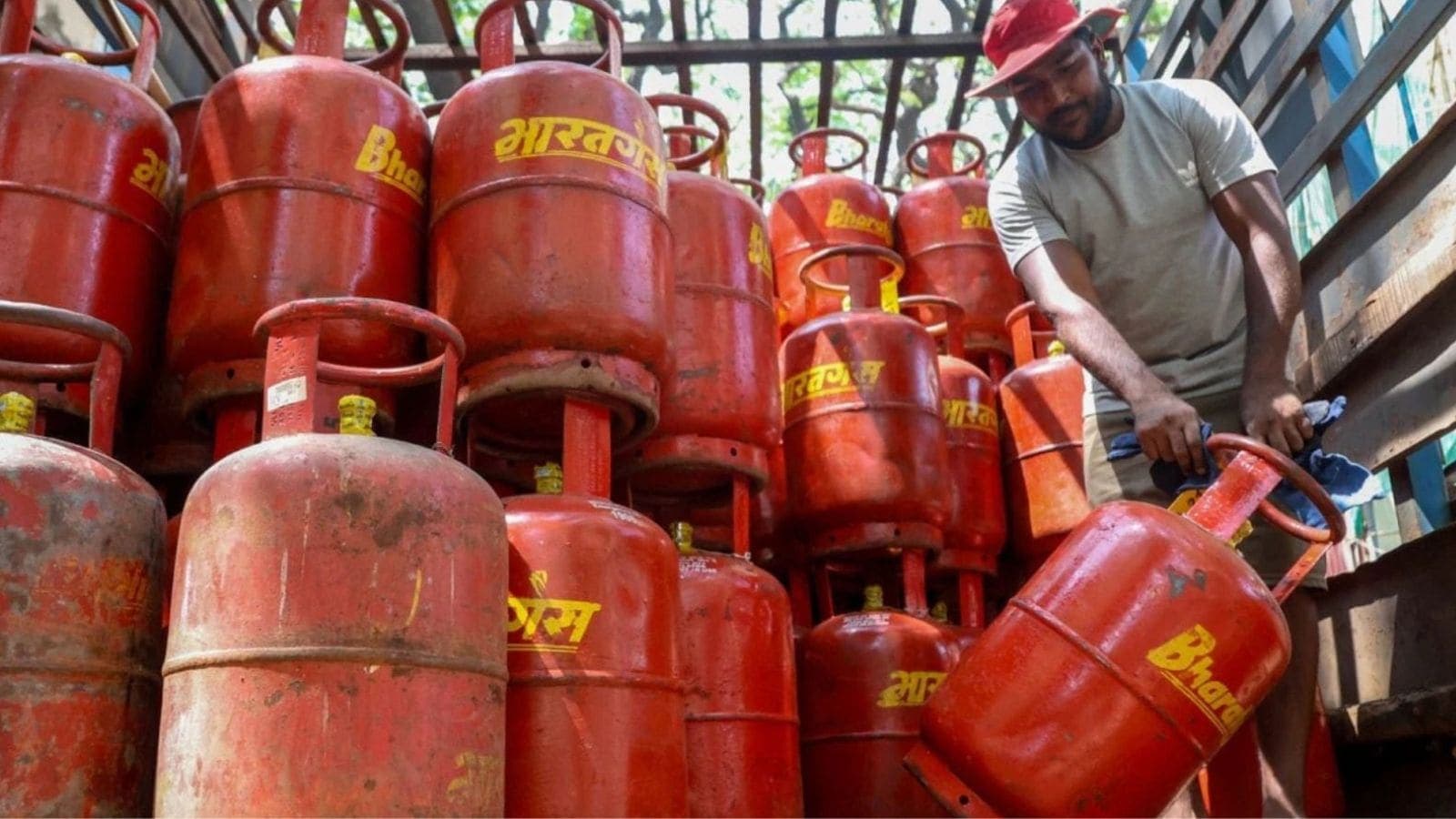
Commercial LPG prices have risen again, with increases of ₹42 in Delhi and ₹53.50 in Kolkata impacting businesses and consumers alike. Find out more.
Indian Express
Discover how a tragic coal mine explosion in Shanxi, China, reveals ongoing safety concerns in the industry amidst a push for green energy.
BBC Business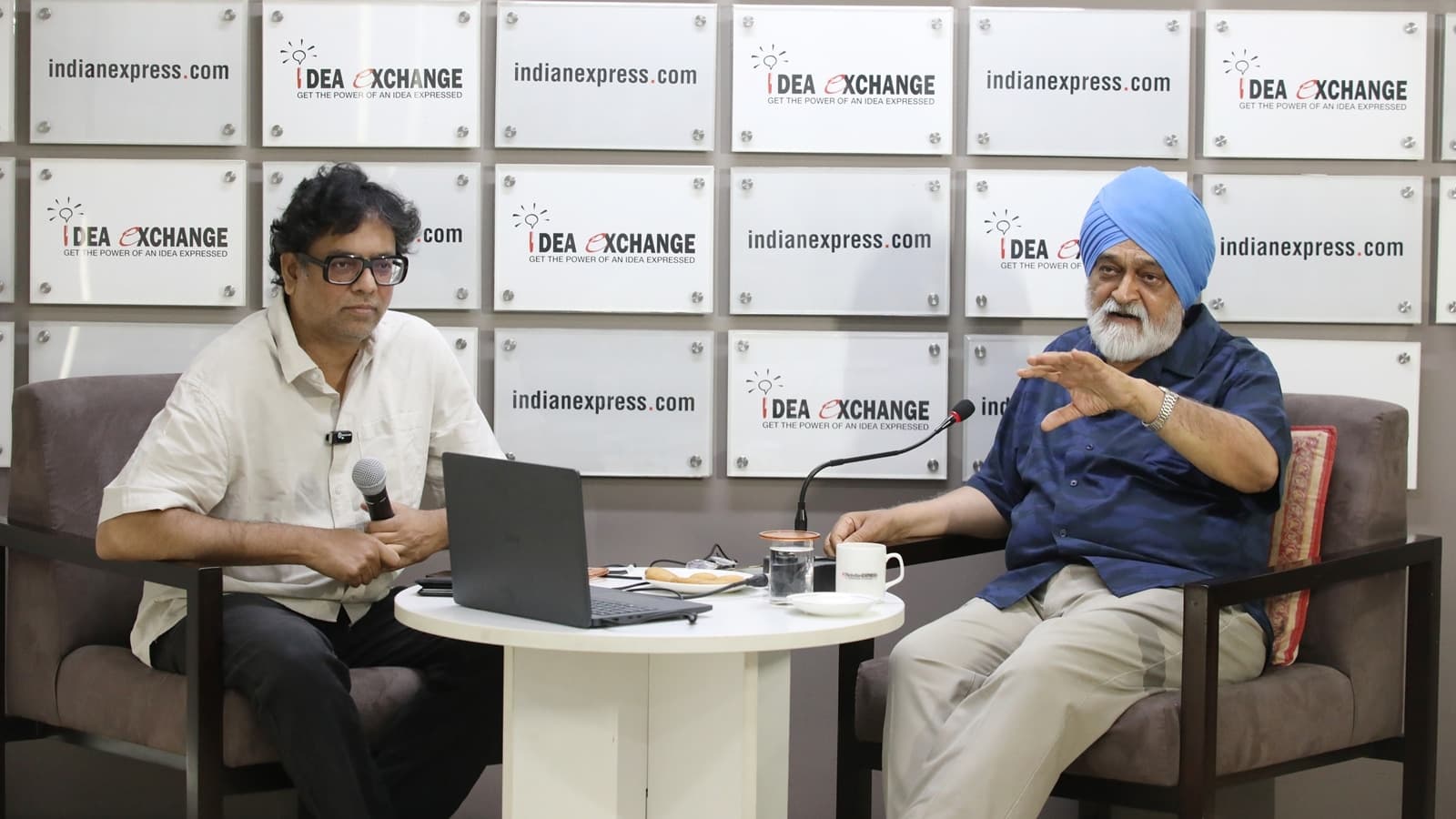
Montek Singh Ahluwalia highlights key economic challenges for India, emphasizing the need for a strategic approach to balance payments and investment.
Indian Express