
Image: The Hindu
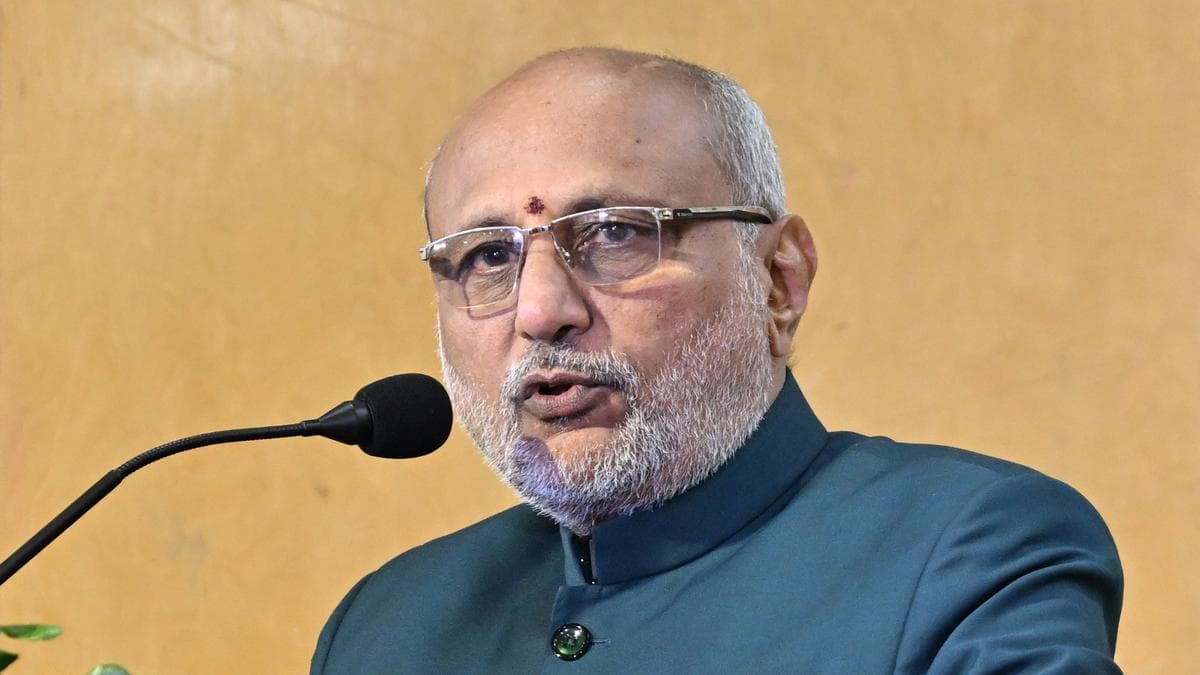
Vice President C.P. Radhakrishnan urges universities to modernize their syllabi, focusing on skill development and new technologies for better employability.
GlipzoIn a compelling address during the first convocation of the Ratan Tata Maharashtra State Skills University on March 21, 2026, Vice-President C.P. Radhakrishnan highlighted a crucial call for universities to modernize their curricula. He argued that in a world characterized by rapid changes, educational institutions must adapt by incorporating a scientific syllabus that meets the evolving needs of society. This initiative, he believes, is essential for preparing a workforce equipped with the skills necessary to thrive in today’s job market.
Radhakrishnan emphasized that the true strength of the nation lies within the capabilities of its people. By implementing a forward-thinking educational framework, universities can empower students to become more adaptable and innovative. He stated, “We should take the right positive steps taken by anyone that are good for society at large,” underscoring the importance of progressive changes in education.
During his speech, the Vice-President pointed out that degrees hold little value unless they translate into employability. He called for a significant shift in focus towards skill development and the integration of new-age technologies into university syllabi. By prioritizing practical skills alongside theoretical knowledge, educational institutions can better equip students for the demands of the modern workforce.
Radhakrishnan’s remarks come amid growing concerns regarding the disconnect between academic qualifications and job market requirements. Many graduates find themselves ill-prepared for the realities of work life, which highlights the urgency of reforming educational structures. He urged universities to collaborate with industry leaders to ensure that the skills taught align with what employers seek.
Technology is rapidly changing the landscape of the workplace, and it is imperative that educational institutions keep pace. Radhakrishnan stressed the importance of embracing cutting-edge technologies in the curriculum, which can include artificial intelligence, data analytics, and digital communication tools. Such technologies not only enhance learning experiences but also prepare students for the future job market.
Incorporating these elements into university programs will help students develop critical thinking and problem-solving skills, which are highly desirable in today’s economy. Radhakrishnan’s call to action serves as a reminder that education must evolve to remain relevant.
India stands at a crossroads in its educational journey. With a youthful population eager to contribute to the economy, the need for a robust, modern educational system has never been more critical. Radhakrishnan’s advocacy for a scientific syllabus is not just about improving academic standards; it is about ensuring that India can compete on a global scale.
Some key reasons why this shift is vital include: - Enhancing Employability: By focusing on skills that align with industry needs, graduates will be more employable. - Driving Innovation: A modern syllabus encourages creativity and innovation, fostering a new generation of thinkers. - Economic Growth: A skilled workforce is essential for driving economic development and attracting foreign investment.
As universities begin to consider Radhakrishnan’s recommendations, it will be crucial to monitor the implementation of these changes. The collaboration between educational institutions and industry stakeholders will be a key factor in the success of this initiative.
In conclusion, Vice-President C.P. Radhakrishnan’s call for a modern and scientific syllabus is a significant step toward addressing the needs of a rapidly changing world. As universities respond to this challenge, the future of education in India looks promising, with the potential to shape a skilled, adaptable, and innovative workforce.
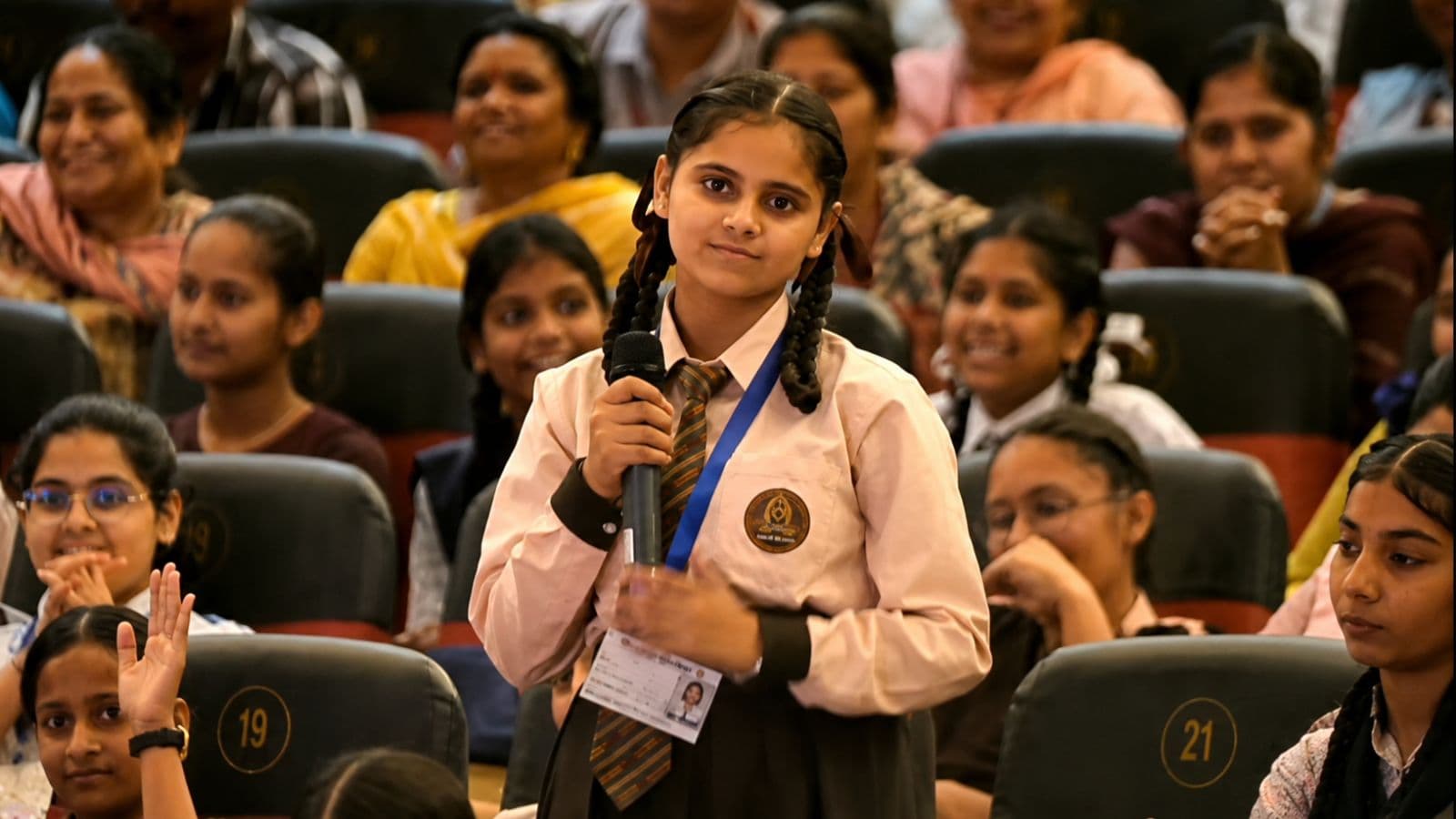
Amritsar student questions age-based ranking, prompting Punjab CM to reform PSEB policies. A significant change towards merit-based recognition is underway.
Indian Express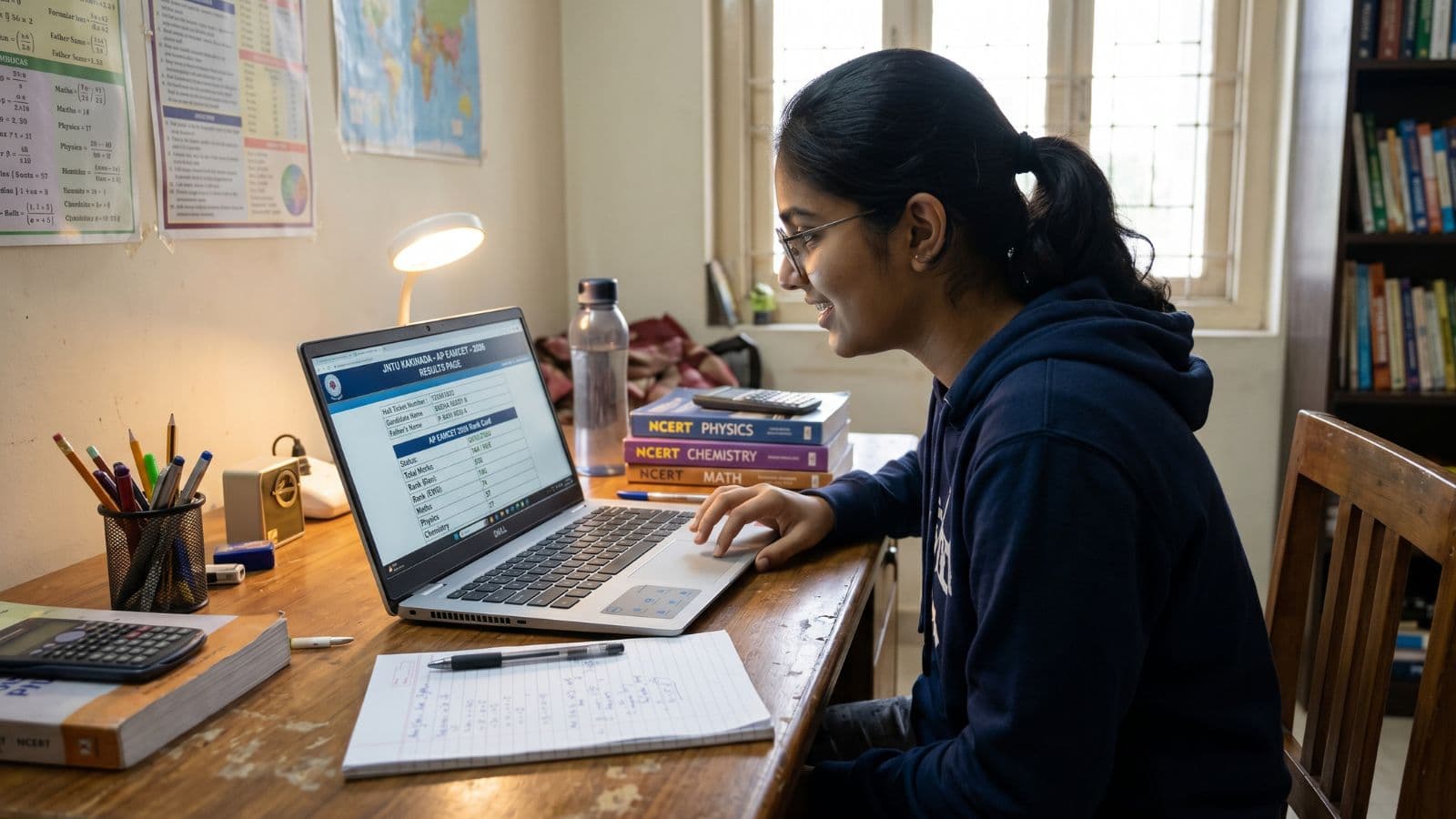
AP EAMCET 2026 results are out! Discover how to check your scorecard and navigate the upcoming counselling process for college admissions.
Indian Express
CBSE's new OSM system faces backlash as students struggle with re-evaluation. Will their futures be jeopardized by technical flaws?
Indian Express