

Image: Times of India
India boosts LPG allocation to 50% and promotes a shift to PNG, aiming for cleaner energy solutions. What does this mean for consumers and the environment?
GlipzoIn a significant policy update, the Indian government has announced an increase in LPG allocations to 50%, aiming to facilitate a broader transition towards Piped Natural Gas (PNG). This strategic shift is designed to enhance energy access while promoting cleaner and more sustainable fuel alternatives across the nation.
This decision comes at a time when energy consumption patterns in India are evolving rapidly. By increasing the LPG allocation to 50%, the government is prioritizing households that rely heavily on cooking gas while simultaneously urging a shift to PNG for those who can access it. The focus will be on urban areas where PNG infrastructure is available, reflecting a commitment to reducing dependency on traditional fuels and improving air quality.
The allocation increase will particularly benefit: - Low-income households: Families that rely on subsidized LPG for cooking will now receive a larger share of resources. - Urban areas: Cities with existing PNG infrastructure will witness a push towards cleaner energy. - Environmentally conscious consumers: Those who are looking for greener alternatives will be encouraged to make the switch to PNG.
The rationale behind this policy adjustment lies in several pressing concerns: - Environmental impact: PNG is a cleaner alternative compared to LPG, producing fewer emissions and contributing less to air pollution. - Energy security: Increasing the use of PNG can help India diversify its energy sources, reducing reliance on imported fuels. - Economic efficiency: Piped gas is often more cost-effective in the long run, potentially lowering energy costs for consumers.
The government’s push towards PNG is not just a fleeting trend; it is part of a larger vision for India’s energy future. The Ministry of Petroleum and Natural Gas has outlined plans to expand the PNG network significantly, aiming to connect millions of households over the next few years.
This allocation adjustment and the shift towards PNG are pivotal for several reasons: - Public Health: By promoting cleaner fuels, the government aims to tackle the health crises associated with indoor air pollution from traditional cooking fuels. - Economic Growth: A robust PNG infrastructure can lead to job creation and economic opportunities in the energy sector. - Sustainability Goals: This initiative aligns with India’s broader commitment to sustainable development and climate change mitigation.
As the government rolls out this new policy, several factors will determine its success: 1. Infrastructure readiness: The pace of PNG network expansion will be crucial in reaching underserved areas. 2. Consumer adoption: The willingness of families to transition from LPG to PNG will affect the overall impact of this policy. 3. Market dynamics: Fluctuations in energy prices and availability will influence decisions across households.
In summary, the Indian government's decision to increase LPG allocations to 50% while urging a shift to PNG is a strategic move that reflects the changing landscape of energy consumption. As this policy unfolds, it will be essential to monitor its implementation and the public’s response to understand the long-term implications for India’s energy future and environmental sustainability.
This transition signifies a critical step towards creating a cleaner, more efficient energy system, which will not only benefit consumers but also contribute positively to India’s environmental goals. Stakeholders, including consumers and energy providers, should stay informed and prepared for what lies ahead in this evolving energy narrative.
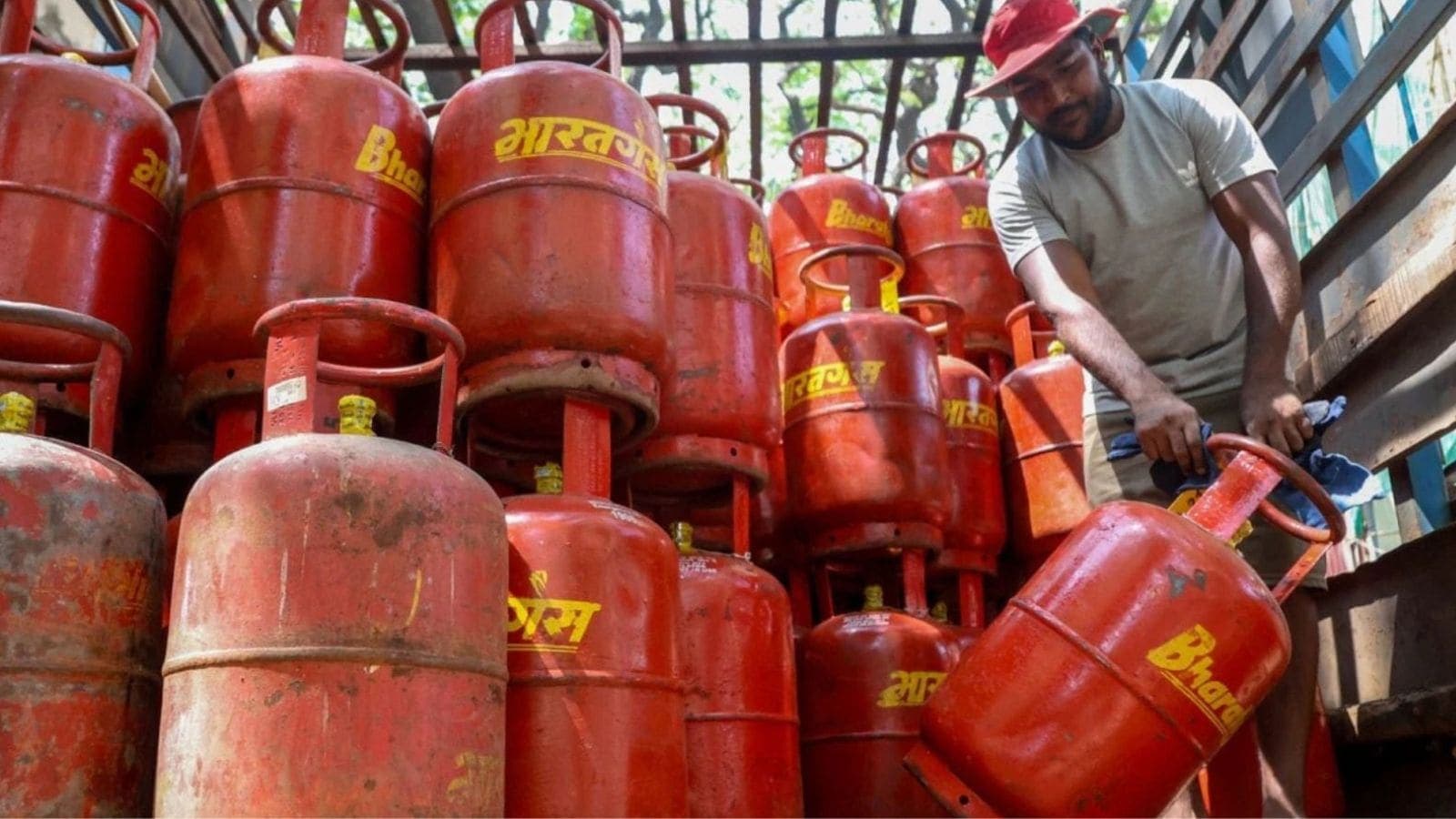
Commercial LPG prices have risen again, with increases of ₹42 in Delhi and ₹53.50 in Kolkata impacting businesses and consumers alike. Find out more.
Indian Express
Discover how a tragic coal mine explosion in Shanxi, China, reveals ongoing safety concerns in the industry amidst a push for green energy.
BBC Business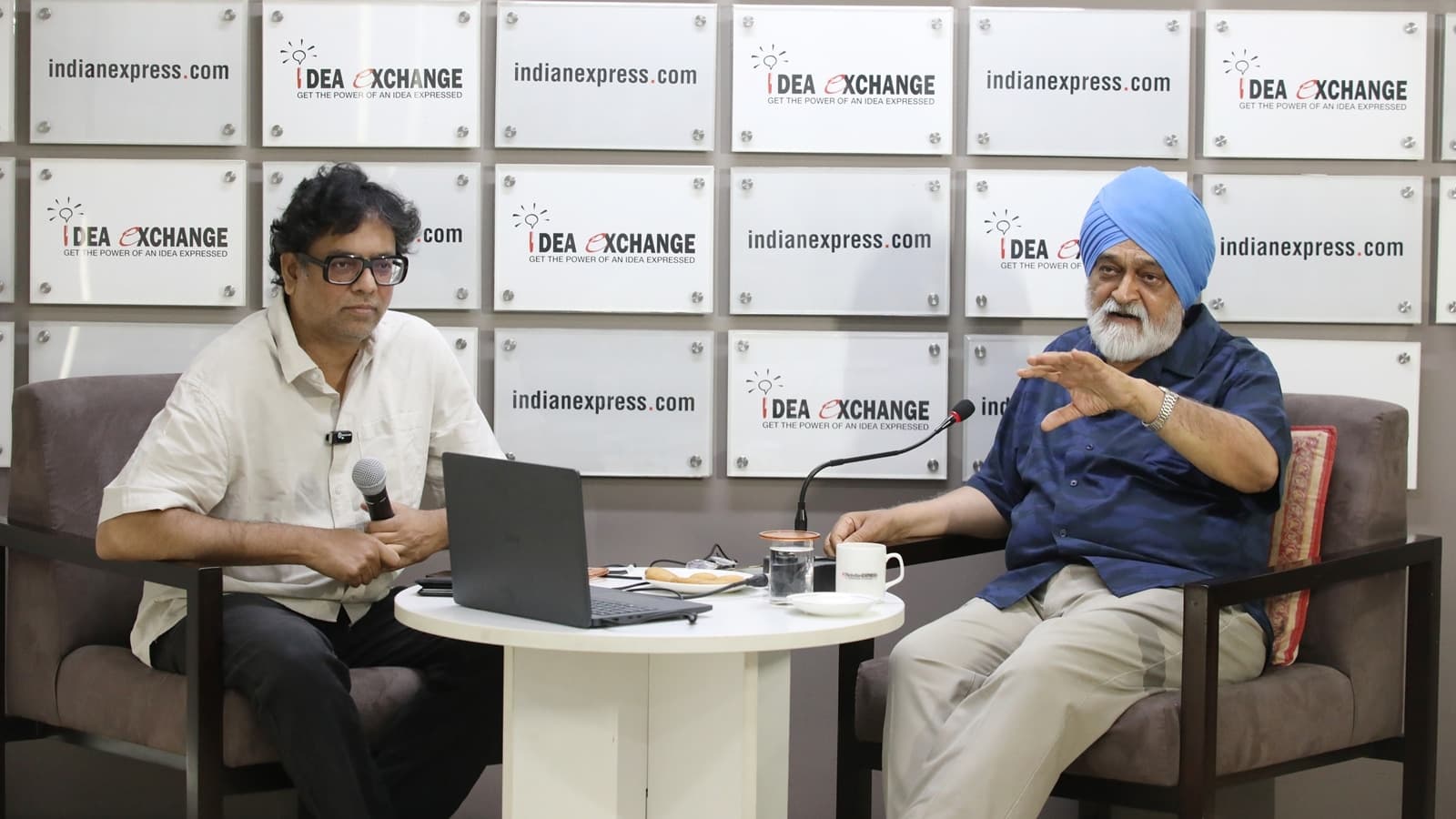
Montek Singh Ahluwalia highlights key economic challenges for India, emphasizing the need for a strategic approach to balance payments and investment.
Indian Express