

Glipzo
WorldTechnologyBusinessSportsEntertainmentScienceHealthPolitics
Glipzo
WorldTechnologyBusinessSportsEntertainmentScienceHealthPolitics
  1. Home
  2. /
  3. World
  4. /
  5. Major Shift: Countries Discuss Ending Fossil Fuel Use
Major Shift: Countries Discuss Ending Fossil Fuel Use

Image: BBC Science

World
Friday, April 24, 20264 min read

Major Shift: Countries Discuss Ending Fossil Fuel Use

Countries meet in Colombia to discuss a major shift away from fossil fuels. What does this mean for global climate policy? Find out!

Glipzo News Desk|Source: BBC Science
Share
Glipzo

Key Highlights

  • 60 nations gather in Colombia to discuss ending fossil fuels.
  • COP meetings have stalled; a new coalition emerges.
  • Scientists warn we may surpass 1.5C warming soon.
  • Energy security concerns are reshaping fossil fuel debates.
  • Is this the start of a new era in climate action?

In this article

  • Countries Gather in Colombia for Groundbreaking Climate Talks In a pivotal moment for climate action, approximately **60 nations** are convening in **Santa Marta, Colombia** this Friday to address a pressing global issue: the complete transition away from fossil fuels. This unprecedented meeting seeks to establish a framework that **UN climate summits** have struggled to achieve, particularly in light of the ongoing climate crisis driven largely by **coal, oil, and gas** consumption.
  • Frustration Grows Over UN Climate Negotiations The urgency behind this gathering stems from a growing dissatisfaction with the **annual UN COP climate meetings**, which have seen progress stall due to the requirement for unanimous consent from all participating nations. This structure has effectively granted veto power to major fossil fuel producers, hampering efforts to formulate a cohesive plan for reducing fossil fuel dependence.
  • Climate Scientists Sound the Alarm The scientific community is sounding increasingly urgent warnings about the implications of climate change. According to **Prof. Johan Rockström**, director of the Potsdam Institute for Climate Impact Research, we are on track to surpass the critical **1.5C warming threshold** within the next **three to five years**.
  • The Shift in Energy Policy Amid Global Tensions In addition to climate concerns, geopolitical events are reshaping discussions around fossil fuels. The recent conflicts in the Middle East have led to a spike in oil prices, prompting a renewed focus on **energy security** and the risks associated with reliance on fossil energy.
  • A New Coalition for Change Participants at the Colombia gathering are optimistic that the meeting will serve as a platform to demonstrate a critical mass of countries committed to transitioning to **renewable energy sources**. UK Climate Envoy **Rachel Kyte** noted, "We are committed to working with other countries to support those wishing to drive forward their transitions to clean and secure energy."
  • What’s Next for Global Climate Policy? As the Santa Marta meeting unfolds, the international community is watching closely to see whether this coalition can successfully advocate for a transition away from fossil fuels. The outcomes of these discussions could set a significant precedent for future climate negotiations.

Countries Gather in Colombia for Groundbreaking Climate Talks In a pivotal moment for climate action, approximately **60 nations** are convening in **Santa Marta, Colombia** this Friday to address a pressing global issue: the complete transition away from fossil fuels. This unprecedented meeting seeks to establish a framework that **UN climate summits** have struggled to achieve, particularly in light of the ongoing climate crisis driven largely by **coal, oil, and gas** consumption.

Among the participating countries are significant fossil fuel producers, such as Colombia, Australia, and Nigeria, which collectively represent about 20% of the world's fossil fuel supply. However, notable absentees include major powers like the United States, China, and India, raising questions about the meeting's potential impact on global climate policy.

Frustration Grows Over UN Climate Negotiations The urgency behind this gathering stems from a growing dissatisfaction with the **annual UN COP climate meetings**, which have seen progress stall due to the requirement for unanimous consent from all participating nations. This structure has effectively granted veto power to major fossil fuel producers, hampering efforts to formulate a cohesive plan for reducing fossil fuel dependence.

At last November's COP30 in Brazil, attempts to create a roadmap away from fossil fuels were thwarted, primarily due to resistance from oil-rich countries. Delegates at the Santa Marta event emphasize that this meeting is not intended to replace COP but rather to serve as a complement to it, showcasing a coalition willing to take decisive action.

Climate Scientists Sound the Alarm The scientific community is sounding increasingly urgent warnings about the implications of climate change. According to **Prof. Johan Rockström**, director of the Potsdam Institute for Climate Impact Research, we are on track to surpass the critical **1.5C warming threshold** within the next **three to five years**.

Rockström warns that exceeding this limit could plunge the world into a perilous era characterized by more frequent and severe droughts, floods, fires, and heatwaves. He remarked, "Breaking through 1.5C means we enter a far more dangerous world - with more frequent and intense droughts, floods, fires, and heatwaves - and we are already approaching critical tipping points in major Earth systems."

The Shift in Energy Policy Amid Global Tensions In addition to climate concerns, geopolitical events are reshaping discussions around fossil fuels. The recent conflicts in the Middle East have led to a spike in oil prices, prompting a renewed focus on **energy security** and the risks associated with reliance on fossil energy.

Mary Robinson, former President of Ireland and a member of The Elders, highlighted the urgency of the current conference, stating, "The urgency is multiplied. What's happening has worsened the fossil fuel crisis we're already in." As global citizens grapple with fluctuating energy prices, the demand for renewable energy solutions is becoming increasingly evident.

A New Coalition for Change Participants at the Colombia gathering are optimistic that the meeting will serve as a platform to demonstrate a critical mass of countries committed to transitioning to **renewable energy sources**. UK Climate Envoy **Rachel Kyte** noted, "We are committed to working with other countries to support those wishing to drive forward their transitions to clean and secure energy."

The emergence of what some are referring to as a "coalition of the willing" suggests a potential divergence from the traditional COP process. As Katerine Petersen from the think tank E3G articulated, effective progress does not necessarily require the participation of all countries but can begin with a dedicated group willing to lead the charge.

What’s Next for Global Climate Policy? As the Santa Marta meeting unfolds, the international community is watching closely to see whether this coalition can successfully advocate for a transition away from fossil fuels. The outcomes of these discussions could set a significant precedent for future climate negotiations.

Going forward, observers should pay attention to how this coalition develops and whether it can inspire other nations to join the movement. The implications for global energy policy and climate action could be profound, potentially paving the way for a more aggressive approach to reducing greenhouse gas emissions and combating climate change.

In conclusion, the Santa Marta meeting represents a critical juncture in the fight against climate change. As scientists warn of the impending consequences of inaction, the commitment of these nations to a fossil fuel-free future could catalyze significant global change. Will this gathering mark the beginning of a new era in climate policy, or will it remain an isolated effort? Only time will tell.
Did you find this article useful? Share it!

Share

Related Articles

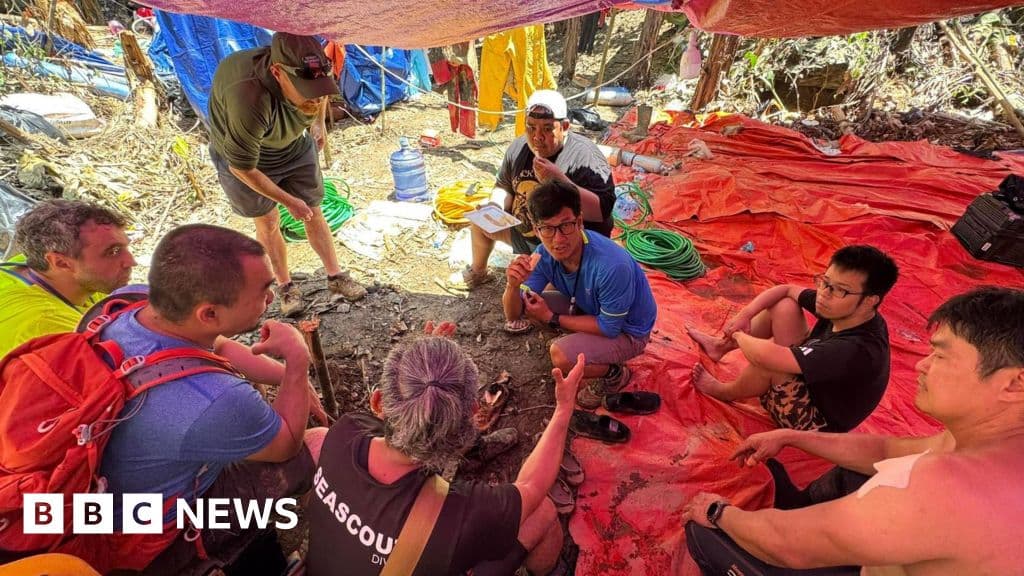
Laos Cave Survivors Assist in Search for Last Two Missing Men
World
Jun 1, 2026

Laos Cave Survivors Assist in Search for Last Two Missing Men

Survivors of the Laos cave rescue are aiding efforts to find the last two missing men trapped inside, sharing crucial insights for the search operation.

BBC World
Unraveling Grief: One Year After the Air India Crash
World
Jun 1, 2026

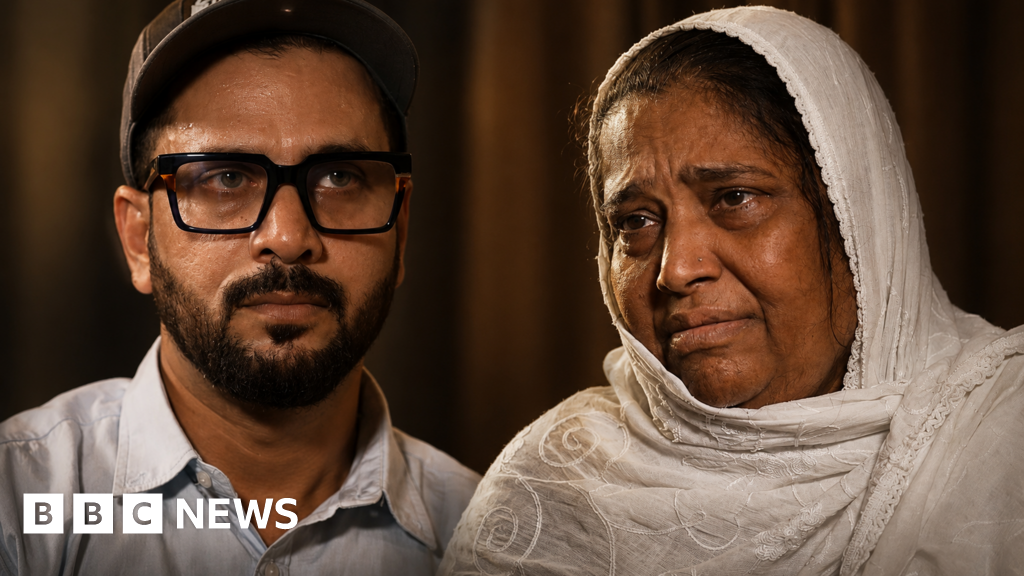
Unraveling Grief: One Year After the Air India Crash

A year after the tragic Air India crash, the Ali family reflects on grief, unanswered questions, and the enduring bonds of love in the face of loss.

BBC Business
Tragic Explosion Claims 55 Lives in Myanmar Village
World
Jun 1, 2026

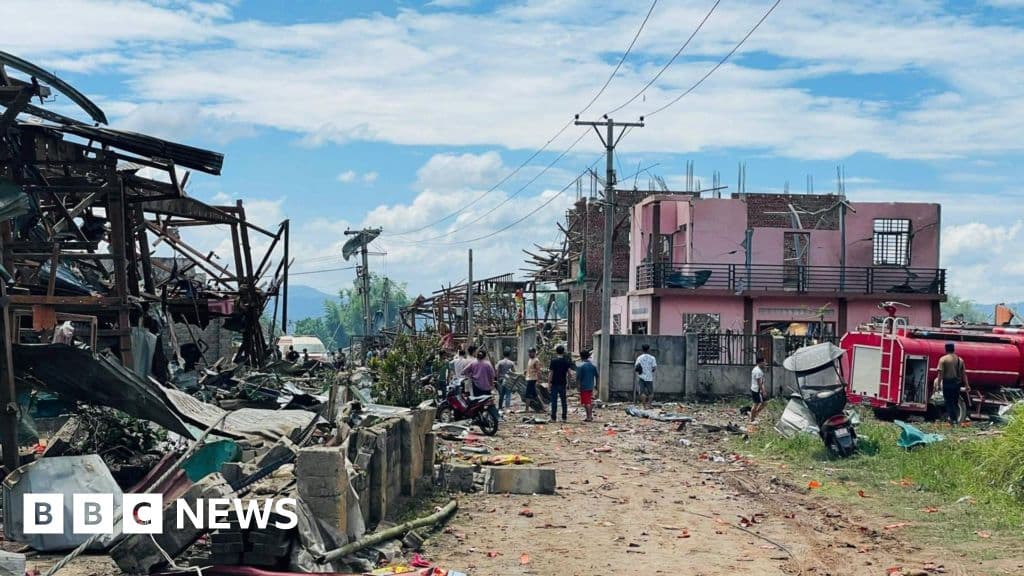
Tragic Explosion Claims 55 Lives in Myanmar Village

A devastating explosion in Myanmar's Kaung Tat village has killed at least 55 people, raising serious safety concerns and questions about civilian protection in conflict zones.

BBC World

Categories

  • World
  • Technology
  • Business
  • Sports

More

  • Entertainment
  • Science
  • Health
  • Politics

Explore

  • Web Stories
  • About Us
  • Contact

Legal

  • Privacy Policy
  • Terms of Service
  • Disclaimer

© 2026 Glipzo. All rights reserved.