

Image: The Verge
Several European retailers have pulled headphones from shelves due to a study revealing harmful chemicals. Learn what this means for consumer safety.
GlipzoIn a shocking revelation, several European retailers have taken action to remove popular headphone models from their shelves. This decision comes in the wake of a European Union-funded study that found trace amounts of harmful chemicals in headphones produced by major brands. The findings have raised serious concerns regarding consumer safety and the potential health risks associated with these products.
The study examined 81 different types of headphones, discovering that every model contained at least trace quantities of endocrine-disrupting chemicals. Brands under scrutiny include household names like Apple, Beats, Samsung, Bose, JBL, and Sennheiser. While retailers such as Bol.com, Coolblue, and Mediamarkt have yet to disclose which specific models they have removed, reports indicate that they are adhering to safety protocols by pulling certain headphones from their inventory.
The research team analyzed various components of the headphones, identifying harmful substances like bisphenols, phthalates, and flame retardants. These chemicals are known to disrupt the endocrine system, potentially leading to significant health issues, including: - Reproductive health problems - Neurobehavioral issues - Other long-term health risks
Karolína Brabcová, a campaign manager at the Czech nonprofit Arnika and co-author of the report, emphasized the need for a comprehensive approach to ban and phase out these hazardous chemicals. She stated, “We really think a systemic approach in banning and phasing out the most harmful chemicals — which have generational effects — is the way forward.” This sentiment reflects an increasing awareness of the long-term impact that these substances can have, particularly on vulnerable populations such as children and pregnant individuals.
To assess the safety of the headphones, the research team disassembled them to collect 180 samples of both hard and soft plastics. The analysis targeted products marketed to adults, teens, and children across more than 50 brands. Each headphone model was evaluated based on contact with the skin, non-contact components, and an overall safety assessment. These categories were rated as: - Green: Lowest risk - Yellow: Legally compliant but exceeding stricter voluntary limits - Red: High concern, indicating non-compliance with legal limits or containing multiple hazardous substances
Among the tested models, Apple’s AirPods Pro 2 and JBL’s Tune 720BT received green ratings, indicating they posed the least risk to users. Conversely, JBL’s Wave Beam and JR310BT, designed for children, received red ratings, signaling significant safety concerns. Notably, HP’s HyperX Cloud III and Razer’s Kraken V3 were rated red across all evaluation categories, underscoring the need for improved safety standards in headphone manufacturing.
Following the study's publication, The Verge reached out to 11 manufacturers featured in the report. Responses were limited, with only Bose, Sennheiser, and Marshall providing feedback. All three companies asserted that their products meet existing legal safety requirements.
However, these manufacturers expressed skepticism regarding the study’s methodology. Bose spokesperson Joanne Berthiaume questioned the basis of the lab's conclusions, while Eric Palonen from Sennheiser reached out to the report authors for further clarification regarding the data related to their products.
The findings of this study are notable as they highlight a widespread issue in consumer electronics. The presence of harmful chemicals in everyday products raises critical questions about regulatory standards and the safety of consumer goods, especially those marketed to children. As awareness grows, consumers may demand stricter regulations and greater transparency from manufacturers regarding the materials used in their products.
The removal of these headphones from retail shelves is just the beginning. As consumers become more informed about the potential dangers associated with hormone-disrupting chemicals, we may see a broader movement toward safer alternatives and more stringent industry regulations.
In the wake of this alarming study, it is essential for both consumers and manufacturers to stay vigilant. Here are some key points to consider moving forward: - Increased scrutiny: Expect more in-depth analyses of consumer products as safety becomes a top priority. - Consumer advocacy: Organizations like Arnika will likely continue to push for stricter regulations and transparency in product safety. - Product innovation: Manufacturers may be compelled to innovate and find safer alternatives to traditional materials used in electronics.
The headphone industry, along with other sectors, may face significant changes as a result of this study. Keeping an eye on the responses from both consumers and manufacturers will be crucial in determining the future landscape of product safety and public health.
In conclusion, as this dialogue continues, consumers should remain proactive about their choices, seeking out brands that prioritize safety and transparency. The repercussions of this study may resonate far beyond the headphone shelves, influencing broader conversations about consumer safety and health risks in everyday products.

Shocking findings from Nottingham's maternity unit reveal a toxic culture and alarming neglect. What can be done to improve care? Discover the details.
BBC Health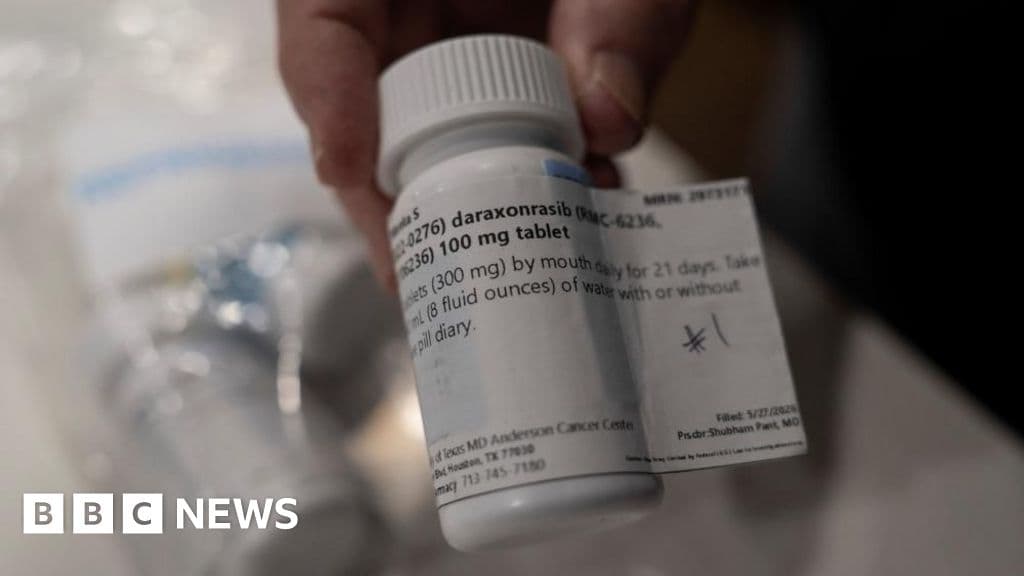
Discover how daraxonrasib, a new pill, is nearly doubling survival rates for pancreatic cancer patients, offering hope in a challenging battle against this deadly disease.
BBC Health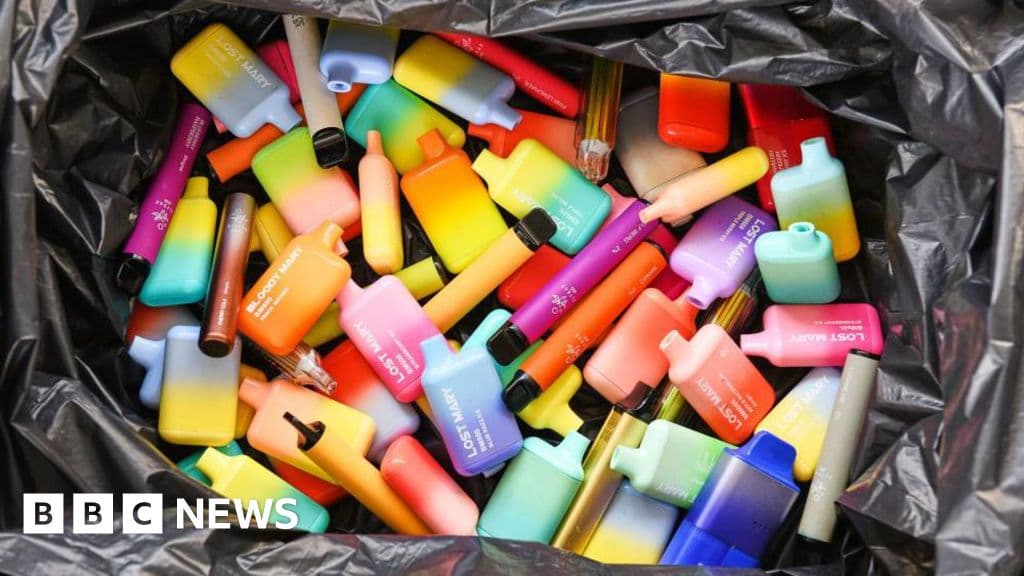
Waste companies propose a £5 deposit on vapes to encourage proper disposal and curb littering as the environmental impact of vapes increases.
BBC Business