

Image: BBC Business
Karex, the largest condom maker, plans up to 30% price hike due to Iran conflict, disrupting supply chains and affecting global markets.
GlipzoThe world's leading condom manufacturer, Karex, has announced a significant potential price increase of up to 30%. This decision comes as ongoing conflicts in Iran disrupt supply chains and escalate production costs. Karex's Chief Executive, Goh Miah Kiat, emphasized that these price adjustments are a direct response to the rising costs of raw materials, significantly influenced by the current geopolitical tensions.
Karex, based in Malaysia, produces over five billion condoms each year, supplying prominent brands like Durex and Trojan, along with health systems such as the UK's NHS. The company's reliance on petroleum-derived materials, including ammonia and silicone for lubricants, places it precariously close to the fluctuations in global oil markets, especially given the current situation in Iran.
The conflict has drastically affected global oil supplies, particularly after Iran threatened to target vessels in the Strait of Hormuz in retaliation against US and Israeli airstrikes. This strategic waterway is crucial, facilitating the passage of approximately 20% of the world’s crude oil and liquefied natural gas (LNG). With this avenue effectively closed, the ramifications are being felt across various industries, including condom production.
Goh Miah Kiat pointed out that the surge in demand for condoms has skyrocketed by about 30% this year. He attributes this increase to a heightened sense of uncertainty during challenging times, stating, "In bad times, the need to use condoms is even more because you're uncertain with your future, whether you'd still have a job next year. If you have a baby right now, you'll have one more mouth to feed."
The price hike for condoms is a stark reminder of how geopolitical tensions can ripple through the economy, impacting everyday consumer goods. As the Iran conflict continues, global supply chains are under strain, not only affecting oil prices but also the cost of essential products like condoms. The rising prices underscore the interconnectedness of global markets where a conflict in one region can lead to widespread price increases elsewhere.
In light of these developments, consumers can expect higher prices for condoms, reflecting the increased costs of production and shipping. As Goh mentioned, the disruptions have resulted in longer shipping delays and rising freight costs, further complicating the supply scenario. The implications of this price increase extend beyond Karex, potentially affecting various brands and retailers that rely on the company's products.
As the situation in Iran evolves, the future of condom prices remains uncertain. The continuation of the conflict could lead to further escalations in production costs and supply shortages. Here’s what consumers and industry watchers should keep in mind:
As the US-Iran negotiations unfold, the global community is left wondering about the long-term consequences of these tensions. On Wednesday, President Donald Trump announced an extension of the ceasefire between the two nations, but the status of peace talks remains unclear. The international community is watching closely, as the outcome of these discussions could either stabilize the situation or exacerbate current issues in global supply chains.
The decision by Karex to raise prices is not just a corporate response to increased costs but a reflection of the broader impacts of geopolitical conflict on consumer goods. As consumers, it is essential to remain informed about how global events can affect prices and availability of everyday products.
In conclusion, as Karex navigates these turbulent times, consumers should be prepared for potential price increases and shortages in the condom market. Analysts will be keeping a close eye on the situation in Iran, as the outcome of diplomatic efforts could significantly influence not only the condom industry but also the global economy at large.
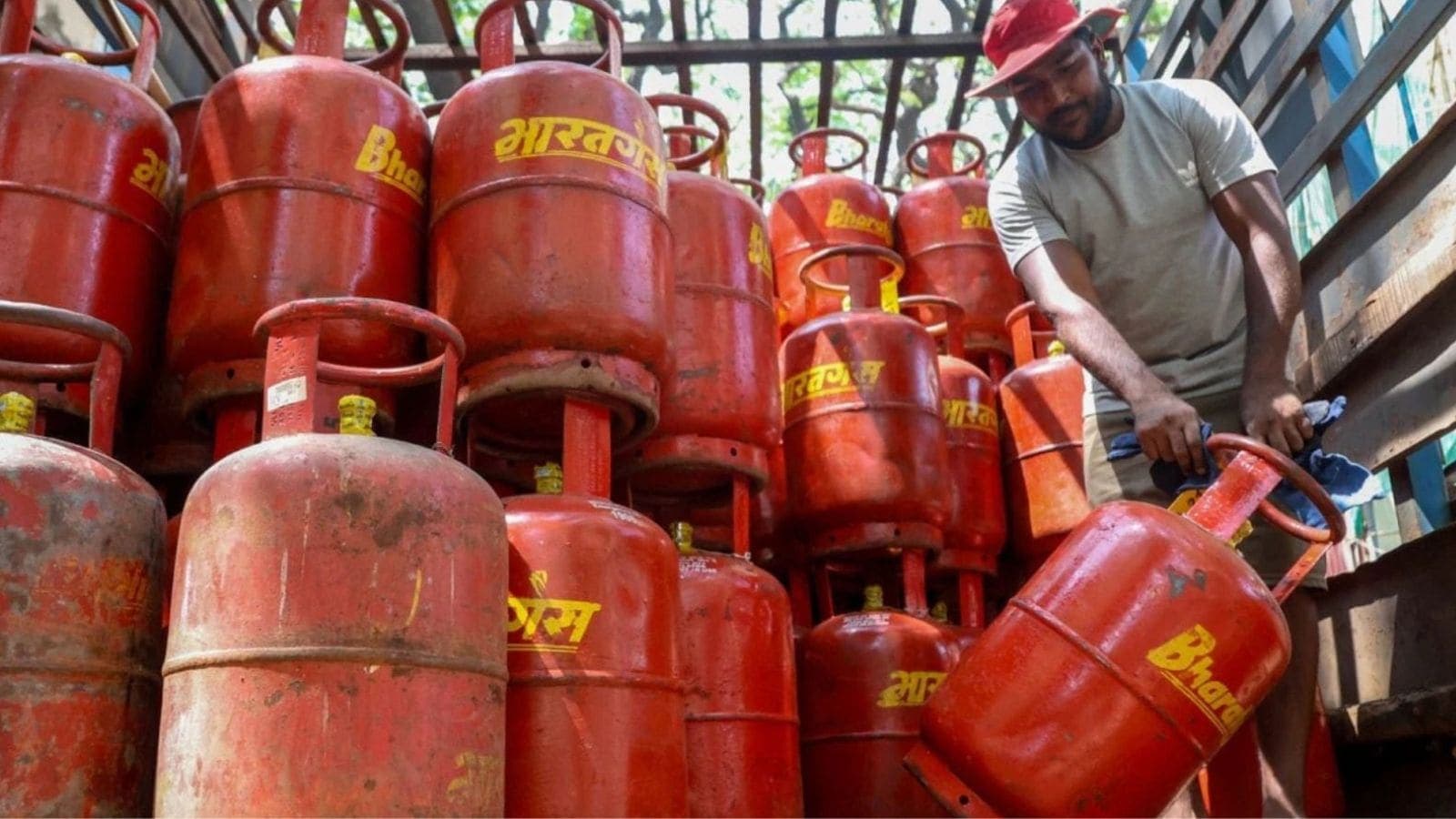
Commercial LPG prices have risen again, with increases of ₹42 in Delhi and ₹53.50 in Kolkata impacting businesses and consumers alike. Find out more.
Indian Express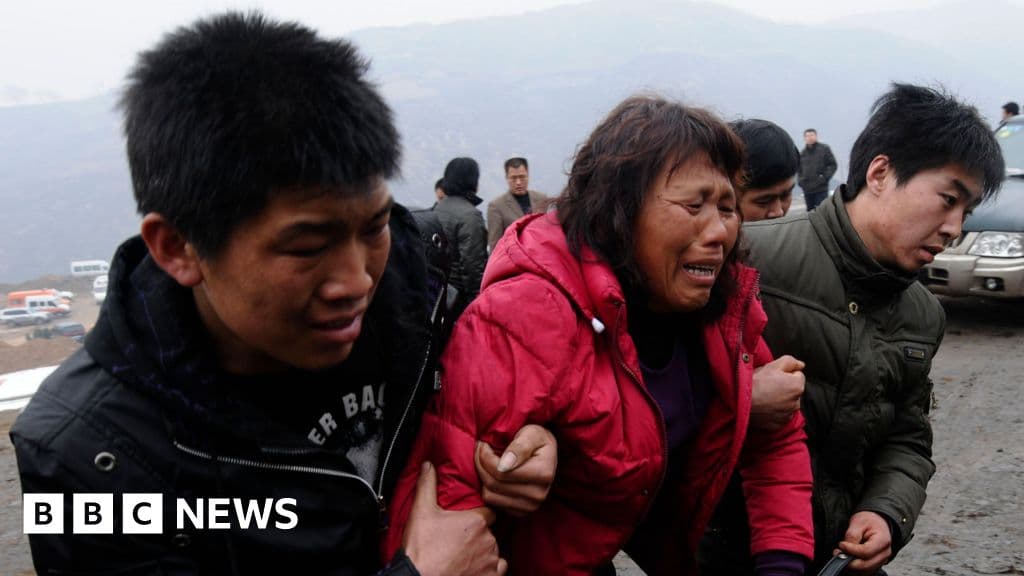
Discover how a tragic coal mine explosion in Shanxi, China, reveals ongoing safety concerns in the industry amidst a push for green energy.
BBC Business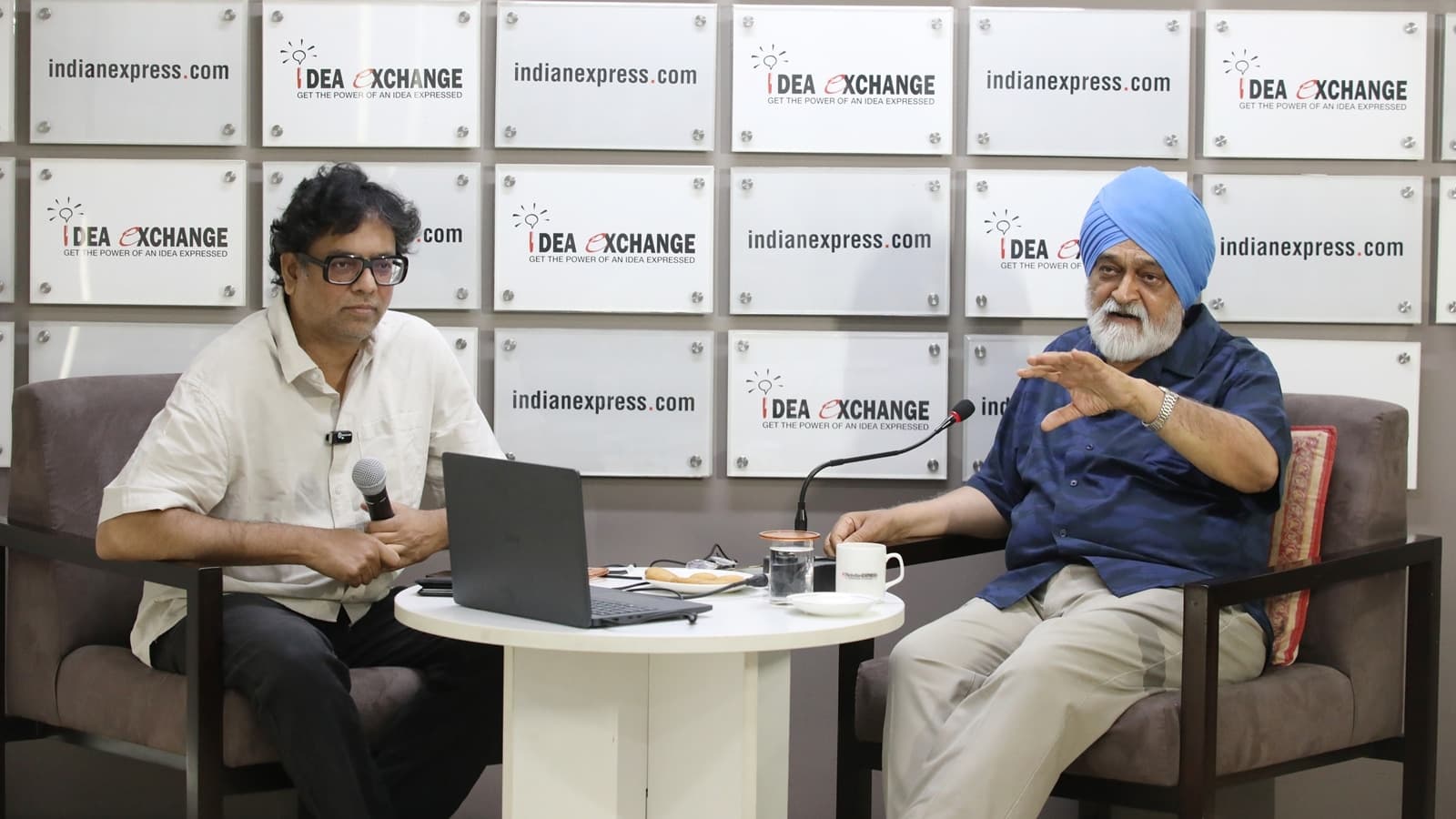
Montek Singh Ahluwalia highlights key economic challenges for India, emphasizing the need for a strategic approach to balance payments and investment.
Indian Express