
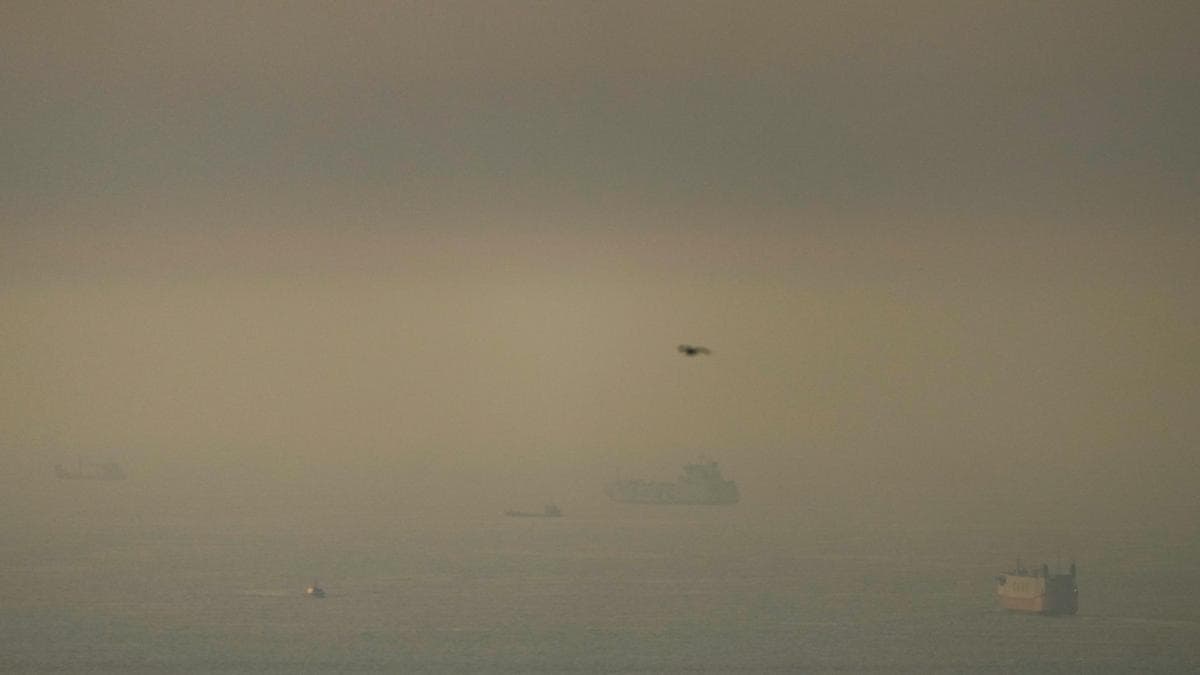
Image: The Hindu
Discover how six major powers, including the UK and France, are uniting to ensure safe passage through the critical Strait of Hormuz amid rising tensions.
GlipzoSix significant global powers have announced their commitment to ensuring the safety of navigation through the Strait of Hormuz, a vital maritime corridor for international shipping. This announcement was made on March 19, 2026, amid escalating tensions in the region that have impacted commercial shipping routes. The coalition includes Britain, France, Germany, Japan, Italy, and the Netherlands, who collectively condemned Iran's recent attacks on non-combatant vessels in the Gulf.
The declaration from these nations underscores the urgency of the situation, as an effective Iranian blockade has severely disrupted commercial trade through this critical chokepoint, where approximately one-fifth of the world’s crude oil and liquefied natural gas typically transits.
This heightened state of conflict escalated on February 28, when the U.S. and Israel initiated airstrikes against Iran, provoking a series of retaliatory measures from Tehran. Reports indicate that 23 commercial vessels, including 10 tankers, have faced attacks or incidents in the region since the onset of hostilities.
According to the International Maritime Organization, the ongoing crisis has left around 20,000 seafarers stranded aboard approximately 3,200 vessels positioned west of the Strait. This alarming situation has raised significant concerns among the international community regarding maritime safety and the protection of innocent lives.
The joint statement from the allied nations expressed profound concern over the escalating conflict, urging Iran to halt its aggressive actions. The statement highlighted key points: - Immediate cessation of threats against commercial shipping - End of mine-laying operations, drone, and missile attacks - A call for respect toward freedom of navigation, a principle enshrined in international law and the United Nations Convention on the Law of the Sea.
The allies emphasized that the consequences of Iran's actions extend beyond the immediate region, affecting vulnerable populations worldwide. The statement serves as a strong reminder of the interconnectedness of global trade and the importance of maintaining secure maritime routes.
In response to the ongoing crisis, U.S. President Donald Trump has called upon other world powers and NATO to assist in restoring safe passage through the Strait of Hormuz. However, many nations have shown reluctance to deploy military assets in the short term, prioritizing discussions and planning over immediate action. A U.K. defense official noted the high level of threat currently posed, stating, "I don't see many nations being willing to put warships into the middle of that threat right now."
To bolster preparation efforts, the U.K. has dispatched a small contingent of military planners to the U.S. Central Command (CENTCOM). This move is intended to aid in strategy development and to explore potential responses to the evolving situation in the Strait. The official indicated that collaborative efforts with allies will continue to evolve as conditions permit.
The situation in the Strait of Hormuz is not merely a regional issue but one that carries global ramifications. Given that a significant portion of the world's energy supplies flows through this narrow passage, any disruption can lead to increased oil prices and broader economic instability. The allies' commitment to ensuring safe passage reflects not only a response to immediate threats but also a long-term strategy to protect global trade.
In light of these developments, it’s crucial for nations to remain vigilant and prepared for further escalations. The international community will be watching closely as dialogues continue and as these nations consider their next steps.
Moving forward, the world will be watching how the situation unfolds. Key areas of focus include: - Potential military deployments by allied nations - Further diplomatic efforts to de-escalate tensions with Iran - The impact of ongoing attacks on commercial shipping on global markets - The humanitarian situation of stranded seafarers and affected shipping crews
As the crisis develops, the implications for international trade, energy security, and geopolitical dynamics will become increasingly significant. Stakeholders must remain alert to navigate this complex environment effectively, with the hope that peaceful resolutions can be achieved to restore stability in the region.
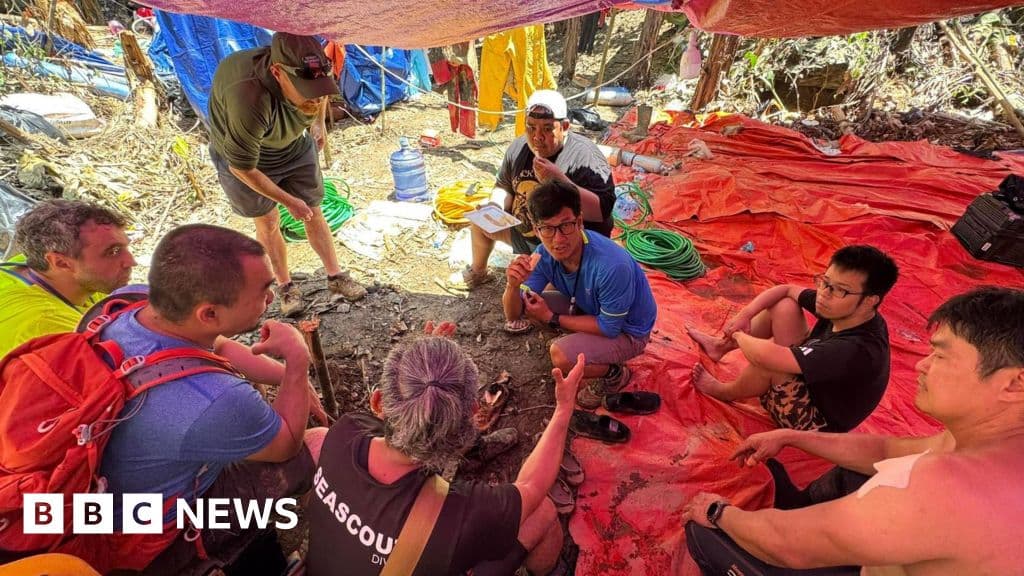
Survivors of the Laos cave rescue are aiding efforts to find the last two missing men trapped inside, sharing crucial insights for the search operation.
BBC World
A year after the tragic Air India crash, the Ali family reflects on grief, unanswered questions, and the enduring bonds of love in the face of loss.
BBC Business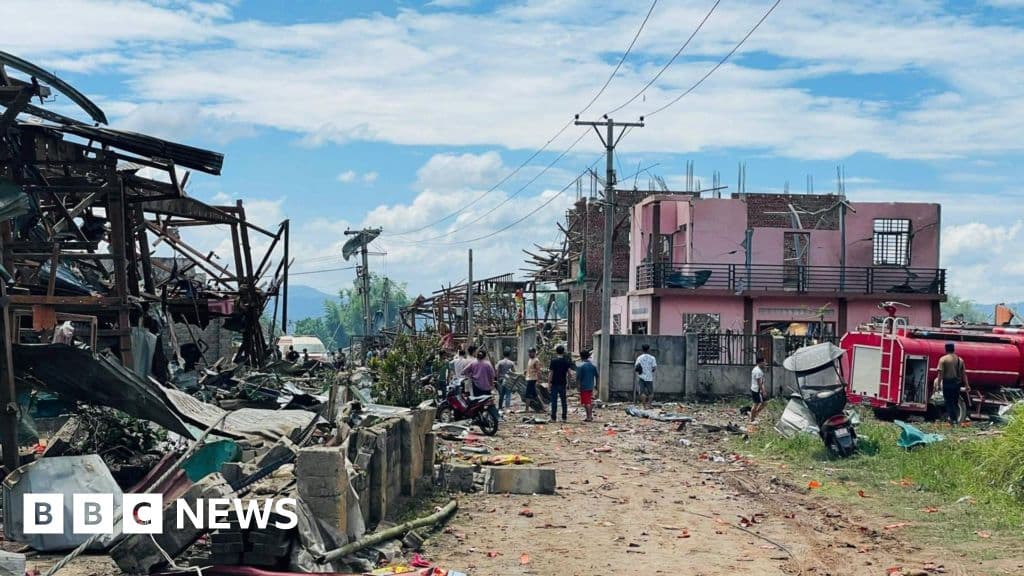
A devastating explosion in Myanmar's Kaung Tat village has killed at least 55 people, raising serious safety concerns and questions about civilian protection in conflict zones.
BBC World