
Image: BBC World
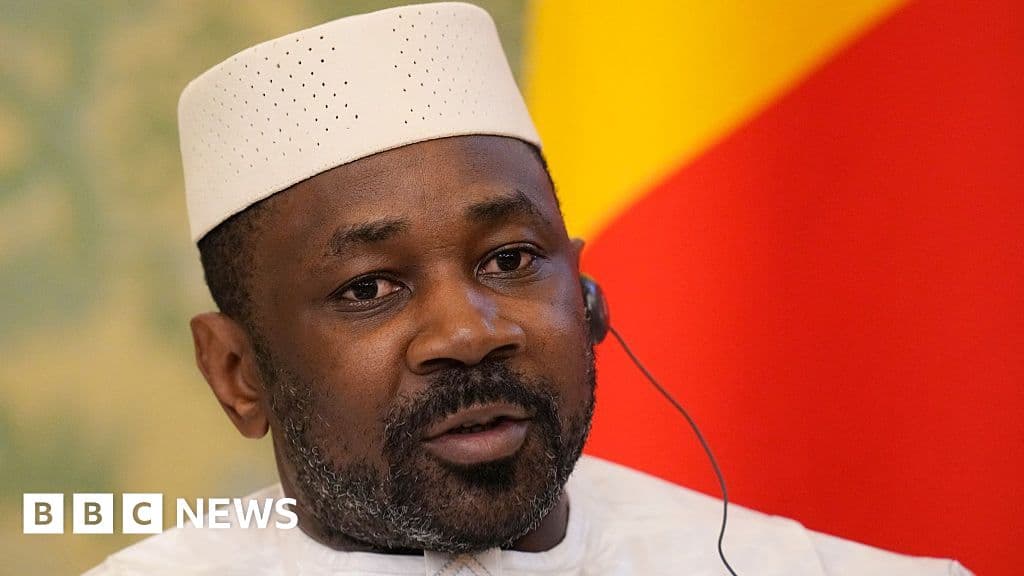
Mali's leader Gen Assimi Goïta steps in as defence minister after the assassination of his predecessor amid escalating violence and a security crisis.
GlipzoIn a surprising turn of events, Mali's military leader Gen Assimi Goïta has announced his appointment as the new defence minister. This decision follows the tragic death of the former minister, Sadio Camara, who was killed during a wave of unexpected attacks that have left the nation in turmoil. The situation remains tense in the West African country over a week after an unprecedented offensive was launched by an alliance of jihadists and separatist rebels.
On April 25, residents across Mali awoke to the sounds of gunfire and explosions as the Azawad Liberation Front (FLA), in conjunction with the al-Qaeda-linked JNIM, began a series of coordinated assaults. The assault resulted in significant casualties and a partial blockade of the capital, Bamako, along with other cities.
During this chaotic period, Defence Minister Sadio Camara was killed in an apparent suicide truck bombing aimed at his residence. His death has raised serious questions about the effectiveness and stability of the military government that took power following a coup in August 2020. The recent violence has also prompted concerns over the military's ability to maintain control and protect its citizens.
Following the decree aired on state television, Gen Goïta's dual role as both president and defence minister is being viewed as a strategic move to reinforce his grip on power. Gen Oumar Diarra, the army chief of staff, has been appointed as the minister delegate, which will see him assist Goïta in navigating the precarious security landscape.
The decision to centralize power in the hands of Goïta comes at a time of increasing threats to his authority, particularly as the insurgent groups have demonstrated their capability to launch widespread attacks. The scale of the offensive has compelled the withdrawal of Malian and allied Russian forces from the northern city of Kidal, raising further doubts about the military's strength and effectiveness in combating the ongoing insurgency.
In an alarming development, the Malian authorities announced the arrest of several soldiers believed to be connected to the recent attacks. According to the military court's public prosecutor in Bamako, investigations have uncovered that both former and current military personnel may have been involved in planning and executing the assaults against government positions.
This raises critical questions about loyalty within the military ranks and the extent of infiltration by insurgent groups. The implications of these findings could destabilize Gen Goïta's regime further if the allegations prove to be true.
In response to the escalating violence, Mali has sought to strengthen its military cooperation with neighboring nations, Niger and Burkina Faso. A joint operation was launched shortly after the attacks, with air strikes targeting the jihadists and separatist groups. This collaboration is a part of a broader initiative known as the Alliance of Sahel States, formed by countries currently under military governance.
The decision to expel French troops, the former colonial power, and replace them with Russian forces signifies a major shift in military strategy. While the intention is to bolster defenses against insurgents, the ongoing attacks reveal that large portions of these countries remain outside government control, highlighting the challenges ahead.
The situation in Mali is not merely a national issue but poses significant regional implications. The ongoing conflict has the potential to destabilize neighboring countries and further exacerbate the humanitarian crisis in the Sahel region. As violence escalates, the local population suffers immensely, with thousands displaced and essential services disrupted.
The actions of the military government, particularly in consolidating power and engaging in regional military cooperation, will be critical in shaping the future of Mali and its neighbors. What remains to be seen is whether these strategies will prove effective in quelling the insurgency or if they will lead to increased unrest.
As Mali grapples with its internal security challenges, observers should keep an eye on several key developments: - Military effectiveness: Will Gen Goïta’s leadership as defence minister lead to a more cohesive military strategy? - Regional stability: How will the Alliance of Sahel States respond to the ongoing threats of jihadism? - Public opinion: What is the reaction of the Malian populace towards the military government’s decisions, and how might that influence future governance? - International relations: How will Mali's shift away from French military support and towards Russian assistance play out on the global stage?
As we await further developments, the world watches closely to see how Mali navigates this crisis and whether the consolidation of power will lead to stability or further discord.
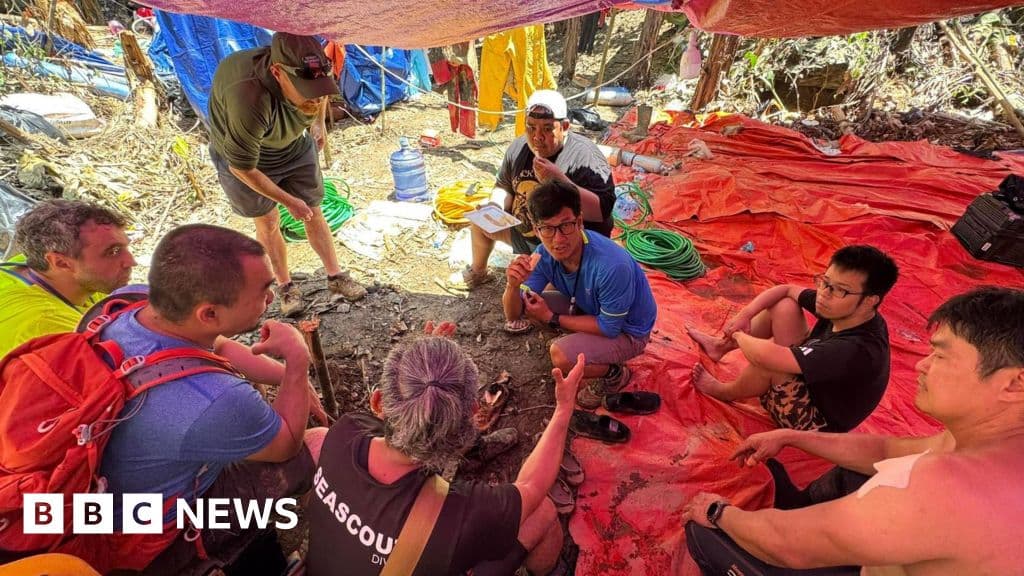
Survivors of the Laos cave rescue are aiding efforts to find the last two missing men trapped inside, sharing crucial insights for the search operation.
BBC World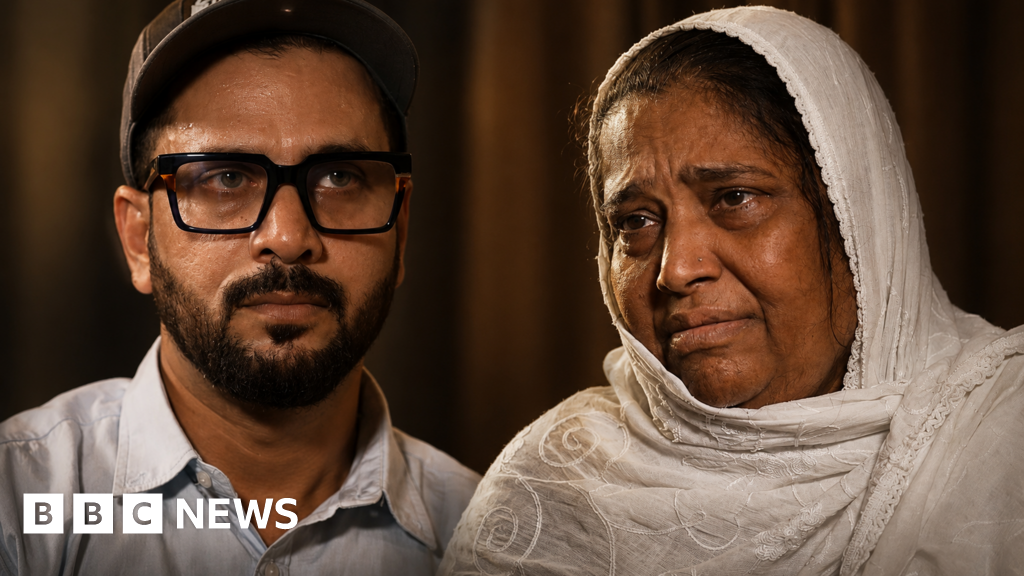
A year after the tragic Air India crash, the Ali family reflects on grief, unanswered questions, and the enduring bonds of love in the face of loss.
BBC Business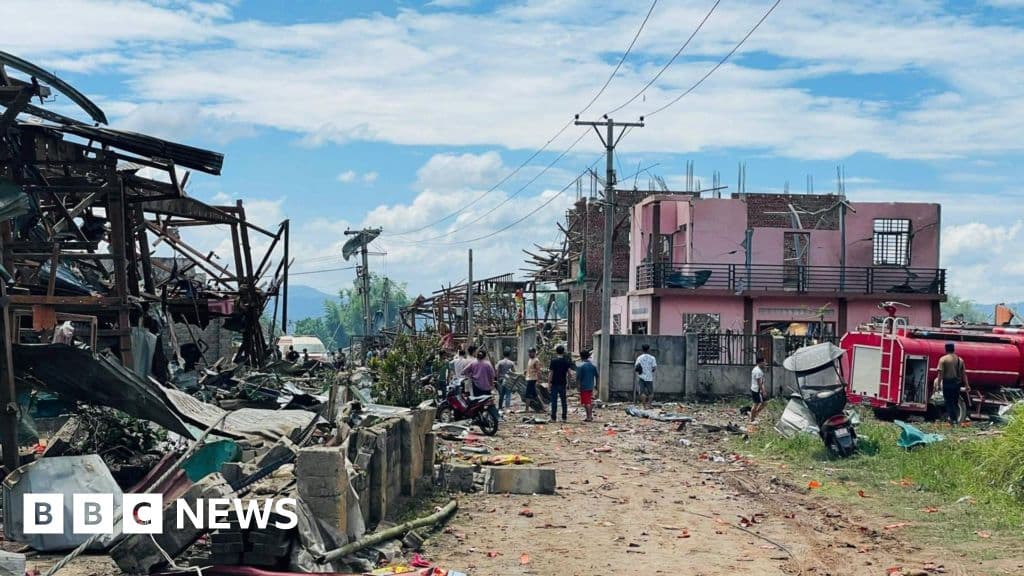
A devastating explosion in Myanmar's Kaung Tat village has killed at least 55 people, raising serious safety concerns and questions about civilian protection in conflict zones.
BBC World