

Image: Times of India
Discover how the recent Rs 2 hike in petrol prices impacts Indian consumers amid a global oil surge. What’s next for fuel prices? Read on!
GlipzoOn October 10, 2023, Indian consumers faced a significant change at the fuel pumps as the price of premium petrol jumped by Rs 2 per litre. This adjustment comes in response to rising global oil prices, which have shown a sharp upward trend due to various geopolitical and economic factors. As the world grapples with supply chain disruptions and fluctuating demand, this hike signifies not only an increase in fuel costs but also a ripple effect that could impact the economy at large.
The recent price adjustment means that consumers will now pay more for premium petrol, a fuel often used for high-performance vehicles. This rise in cost can strain household budgets and influence transportation expenses across industries. For many, this price increase is more than just numbers at the gas station; it’s a reflection of larger economic challenges.
The oil market has always been susceptible to geopolitical tensions, production cuts, and economic recovery phases. In recent months, several factors have contributed to the rise in global crude oil prices:
These elements have not only affected global oil prices but have also forced countries like India to adjust their domestic fuel pricing. Given that India is a major importer of crude oil, fluctuations in the global market significantly impact local prices.
The rise in petrol prices is likely to have a domino effect on various sectors:
For many, these economic pressures are compounded by existing financial strains. The RBI's monetary policy and inflation control measures will be put to the test as they respond to these challenges.
The Indian government has been under pressure to mitigate the impact of rising fuel prices. Discussions around potential subsidies or tax cuts are ongoing, but no concrete measures have been implemented yet. As the government weighs its options, public sentiment is mixed. Many consumers express frustration over the lack of effective solutions to address rising costs.
“We are already struggling with the cost of living, and this increase makes it harder for us to manage our budgets,” said a Delhi resident, echoing the sentiments of many. Public protests and calls for government action may rise as fuel prices continue their upward trajectory.
The implications of rising petrol prices extend beyond individual consumers. The energy crisis, exacerbated by geopolitical tensions, has far-reaching effects on the global economy. As countries grapple with energy security and sustainability, the push for renewable energy sources becomes even more critical. This situation may encourage a quicker transition toward greener alternatives, fundamentally changing how energy is consumed worldwide.
Furthermore, as India looks to balance its energy needs with environmental goals, the government might ramp up investments in renewable energy projects, aiming for a more sustainable and economically resilient future.
Looking ahead, consumers should stay informed about potential changes in both global oil prices and domestic fuel policies. Key aspects to watch include:
In summary, the recent increase in petrol prices highlights the interconnectedness of global markets and the pressing need for sustainable energy solutions. As consumers navigate these challenges, the government's response will be crucial in shaping future economic stability.
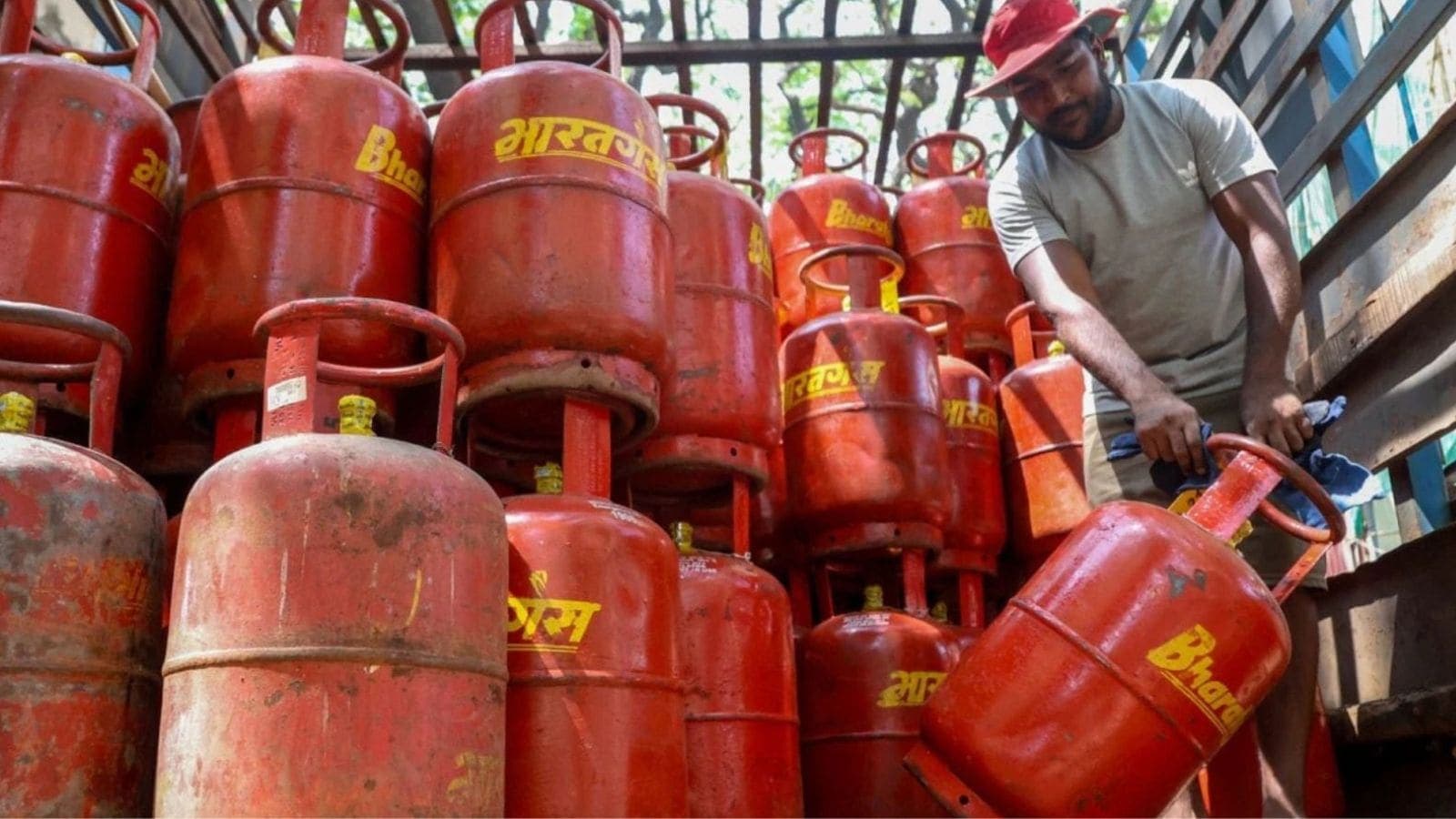
Commercial LPG prices have risen again, with increases of ₹42 in Delhi and ₹53.50 in Kolkata impacting businesses and consumers alike. Find out more.
Indian Express
Discover how a tragic coal mine explosion in Shanxi, China, reveals ongoing safety concerns in the industry amidst a push for green energy.
BBC Business
Montek Singh Ahluwalia highlights key economic challenges for India, emphasizing the need for a strategic approach to balance payments and investment.
Indian Express