

Image: Times of India
The Indian government has raised the commercial LPG quota for eateries, providing vital support as they recover from pandemic-related challenges. Discover the details!
GlipzoIn a significant move aimed at easing the burden on the hospitality industry, the Indian government has announced a hike in the commercial LPG quota allocated to eateries across the country. This adjustment comes at a time when many restaurants and food service businesses are grappling with rising operational costs, providing a much-needed relief for these establishments.
As the economy continues to rebound from the impact of the pandemic, many restaurants have struggled with increasing prices for essential supplies and raw materials. The increase in LPG quotas is expected to substantially benefit these businesses by lowering their fuel costs, thereby allowing them to maintain competitive pricing for their customers.
The decision to increase the LPG quota was made in response to widespread criticism from the restaurant sector, which has been vocal about the pressures they face. Many small and medium-sized eateries reported that the previous quota limitations were unsustainable, prompting a call for government intervention.
In a statement, Union Minister for Petroleum and Natural Gas, Hardeep Singh Puri, emphasized the government's commitment to supporting the hospitality industry. "We understand the challenges faced by our restaurant owners and are taking steps to ensure they can operate effectively without compromising on quality," he said. This initiative marks a proactive approach by the government to stimulate economic growth within this vital sector.
The revised quota will allow commercial establishments to access an additional 10% of LPG compared to previous allocations. Here are the key details of the new policy:
This increase not only provides immediate relief but also aligns with the government’s long-term goal of supporting small businesses as they recover from the pandemic's economic fallout.
The change in commercial LPG quotas is expected to have several positive implications for both eateries and their patrons. By reducing the cost of fuel, restaurants may be able to:
However, it is essential for restaurant owners to manage their resources wisely. The increase in LPG allocation should be coupled with strategic business planning to ensure long-term sustainability.
This decision by the government to increase LPG quotas holds significant weight not just for the restaurant industry, but for the economy as a whole. The hospitality sector plays a crucial role in employment generation and local economic development. By alleviating some of the financial pressures that eateries face, the government is fostering an environment conducive to recovery and growth.
Additionally, this move is indicative of a broader trend where the government is becoming more attuned to the needs of small businesses. As operational challenges persist, continued support from policymakers will be vital in nurturing a resilient economy.
The hospitality industry is poised for a gradual recovery, and the recent increase in LPG quotas is a promising step in that direction. Industry experts are optimistic that this change will help stabilize many businesses in the sector. However, it's crucial to monitor how restaurants utilize this increased quota and whether it translates into tangible benefits for their customers.
Future developments to watch for include: - Further Policy Adjustments: If this increase proves effective, additional measures may be implemented to support the industry. - Consumer Response: Observing how consumers react to potential price changes and increased menu variety will be key. - Sustainability Initiatives: The sector may also shift towards more sustainable practices, leveraging lower fuel costs to incorporate eco-friendly options.
In conclusion, the increased LPG quota for commercial entities is a timely intervention aimed at supporting the recovery of the hospitality sector. As the economic landscape continues to evolve, maintaining a supportive framework for businesses will be essential for fostering growth and resilience in the post-pandemic world.
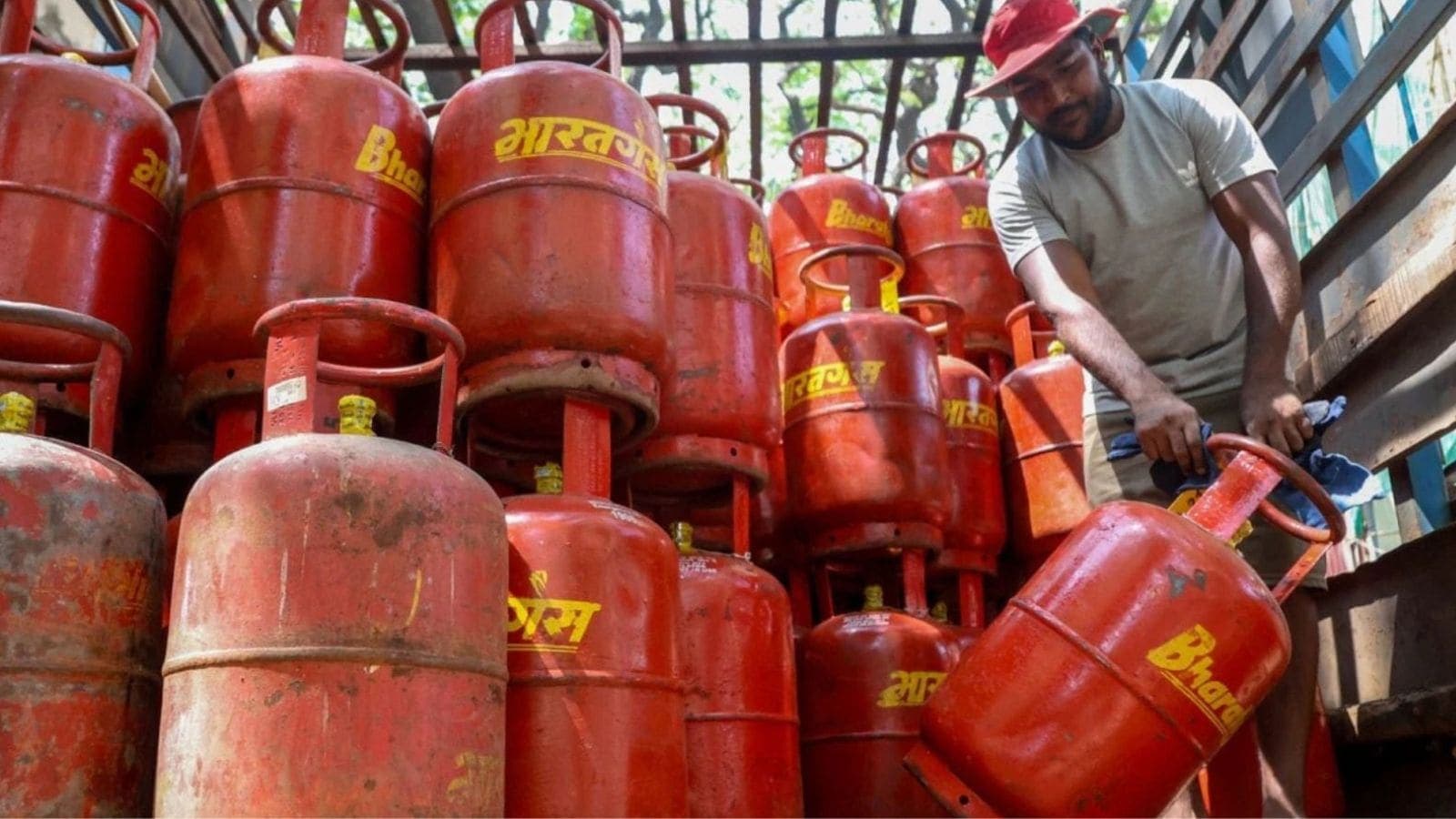
Commercial LPG prices have risen again, with increases of ₹42 in Delhi and ₹53.50 in Kolkata impacting businesses and consumers alike. Find out more.
Indian Express
Discover how a tragic coal mine explosion in Shanxi, China, reveals ongoing safety concerns in the industry amidst a push for green energy.
BBC Business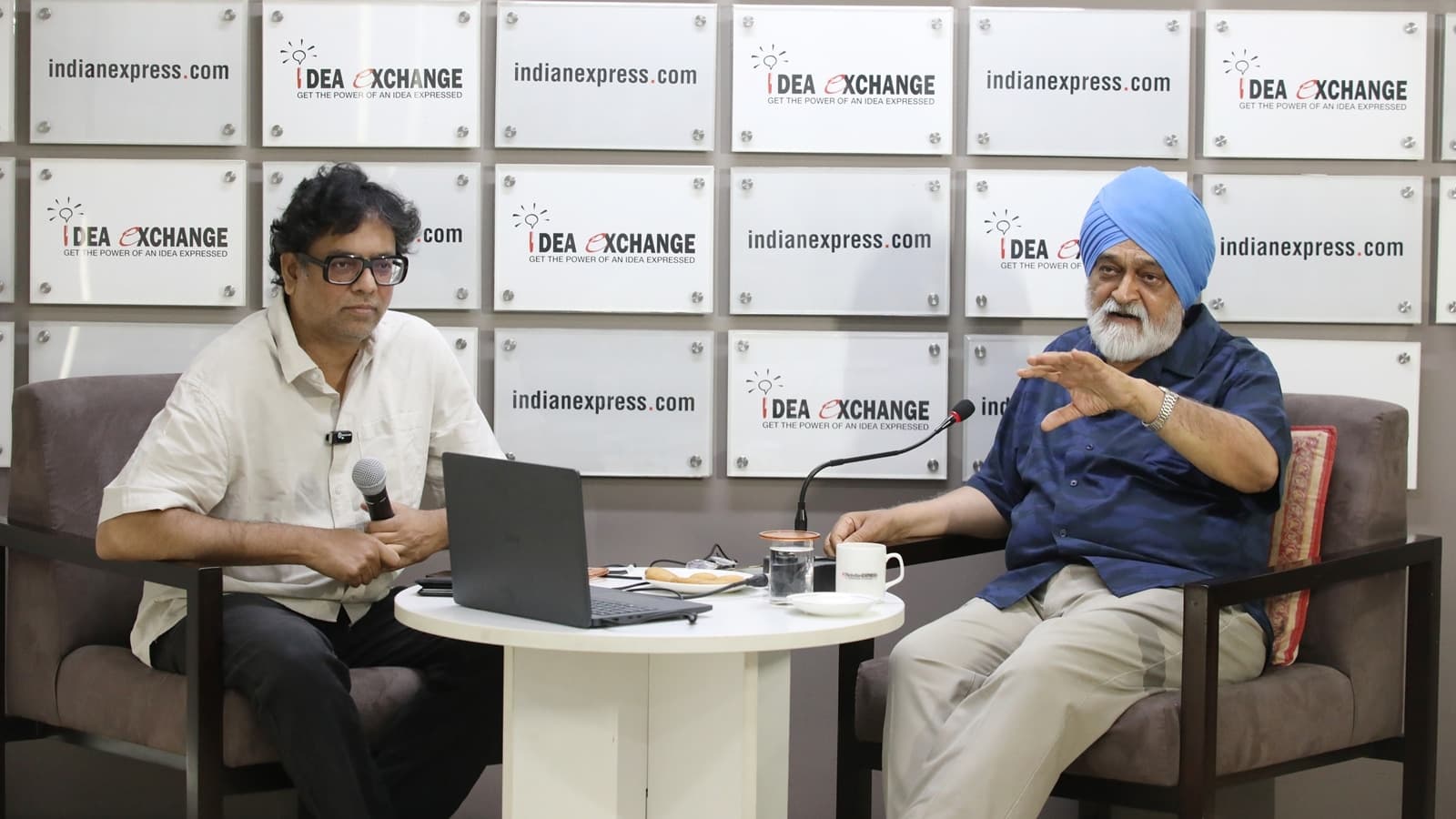
Montek Singh Ahluwalia highlights key economic challenges for India, emphasizing the need for a strategic approach to balance payments and investment.
Indian Express