
Image: BBC World
Israel's recent airstrike on Beirut marks a dangerous escalation in the conflict. What does this mean for the region's future? Click to learn more.
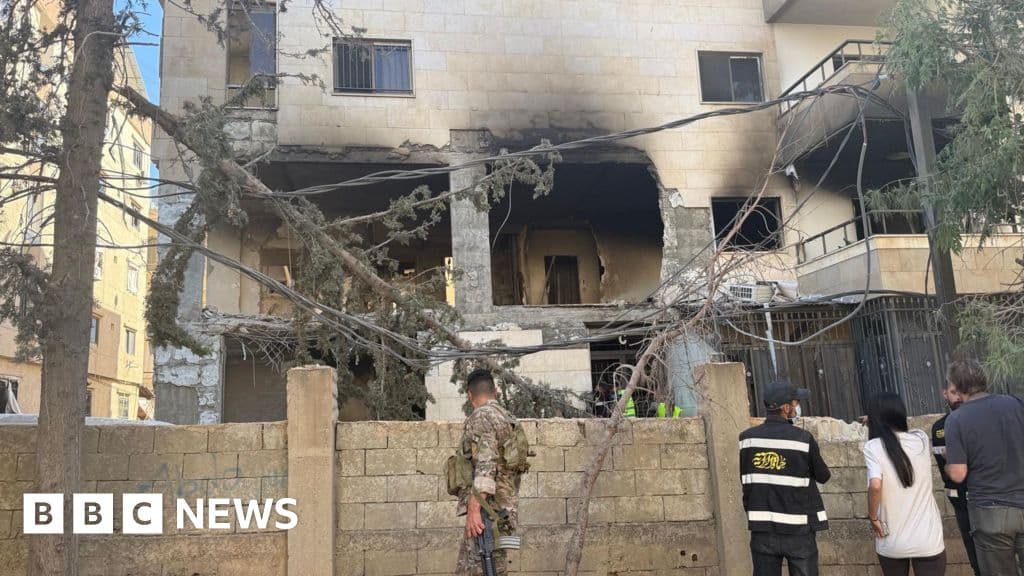
GlipzoIn a significant escalation of conflict, Israel launched a targeted airstrike on Beirut, Lebanon, on Thursday, marking only the second such incident since a ceasefire was established last month. This attack, which occurred at approximately 14:00 local time (11:00 GMT), is said to have targeted Ali al-Husni, the head of the missile unit within the Imam Hossein Division, an Iranian-backed militia associated with Hezbollah. The Israel Defense Forces (IDF) confirmed the strike but provided few details about the operation.
This airstrike comes amid rising tensions and accusations of ceasefire violations between Israel and Hezbollah, the powerful Shia militia supported by Iran. Israeli media reports indicate that the decision to target Beirut was made despite previous restraint, which had been exercised at the request of the United States. The latest Israeli attacks have largely focused on Hezbollah's infrastructure in southern Lebanon, underscoring the ongoing volatility in the region.
Thick clouds of smoke were reported in Dahieh, a densely populated suburb known as a stronghold for Hezbollah, as residents reacted to the aftermath of the strike. Eyewitness accounts describe scenes of chaos, with individuals calling out for their loved ones amidst the sounds of sirens and rushing rescue teams.
One resident, Mohamad, recounted the horror of the attack that disrupted his sleep, leading him to discover a three-month-old baby lying on the ground. Tragically, he rushed the child to the hospital, but she did not survive. Mohamad expressed his frustration, stating, "There's nothing here! Everything happening here - all this pressure on people - is just to make us hate Hezbollah, but that's not going to happen. We're not the kind of people who turn against others like that."
The airstrike on Beirut follows an announcement from Israeli Prime Minister Benjamin Netanyahu regarding an escalation of military operations following drone attacks by Hezbollah on Israeli troops and civilians. In response, the IDF issued a warning to residents, advising them to evacuate areas north of the Zahrani River, approximately 40 km (25 miles) from the Israeli border. This evacuation order represents the most extensive directive since the ceasefire began, affecting around 300 towns and villages, which constitutes roughly 14% of Lebanese territory.
Despite the evacuations, many displaced individuals find themselves with few options, as shelters have reached capacity. In Saida, a coastal city north of the Zahrani River, life appeared almost normal, with beachgoers enjoying lunch at the marina. However, Hanaa Jamaa, a resident, was shocked to learn that her apartment had been struck during the night, resulting in five fatalities and 21 injuries. "I had been renting it out," she lamented, reflecting on the personal losses amidst the chaos.
Reports from the Lebanese health ministry indicate that at least 11 people died in separate Israeli strikes that targeted the cities of Tyre and adjacent areas early Thursday. Footage shared on social media depicted scenes of devastation, with orange flames illuminating the streets, smoke filling the air, and debris scattered across neighborhoods. One Hezbollah member in Tyre noted that rescue operations had been hampered due to the dangerous conditions, with Israeli military warnings prompting crews to evacuate the area.
The violence and airstrikes have led to a humanitarian crisis, as many residents are left without adequate shelter or safety. The situation remains fluid, with both sides accusing each other of provocations and violations of the ceasefire agreement.
The continuous cycle of violence between Israel and Hezbollah raises critical questions about the future stability of the region. With escalating military actions and increasing civilian casualties, the humanitarian implications are dire. The current ceasefire, which seemed to offer a respite, is now under serious threat.
As tensions mount, observers are left wondering what the next steps will be. Will the international community intervene to de-escalate the situation, or will the conflict deepen further? With both sides entrenched in their positions, the potential for wider conflict looms large. Key factors to watch include: - Future military actions by Israel and Hezbollah. - The response from the United States and other international actors. - The reactions of local populations affected by the violence and displacement. - The potential for renewed diplomatic efforts to restore peace.
As this complex situation unfolds, the world watches with bated breath, hoping for a resolution that prioritizes human life and regional stability over military objectives.
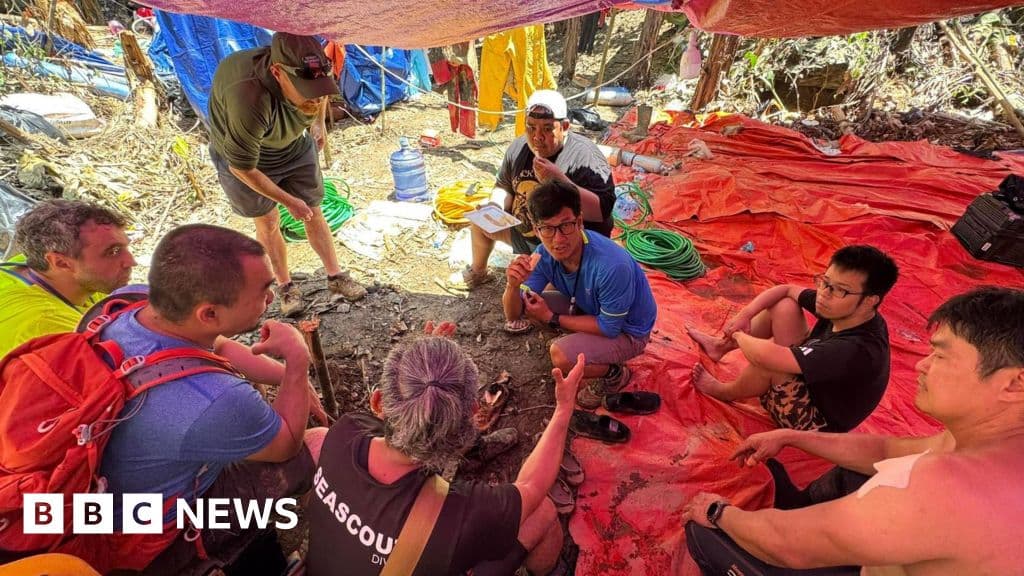
Survivors of the Laos cave rescue are aiding efforts to find the last two missing men trapped inside, sharing crucial insights for the search operation.
BBC World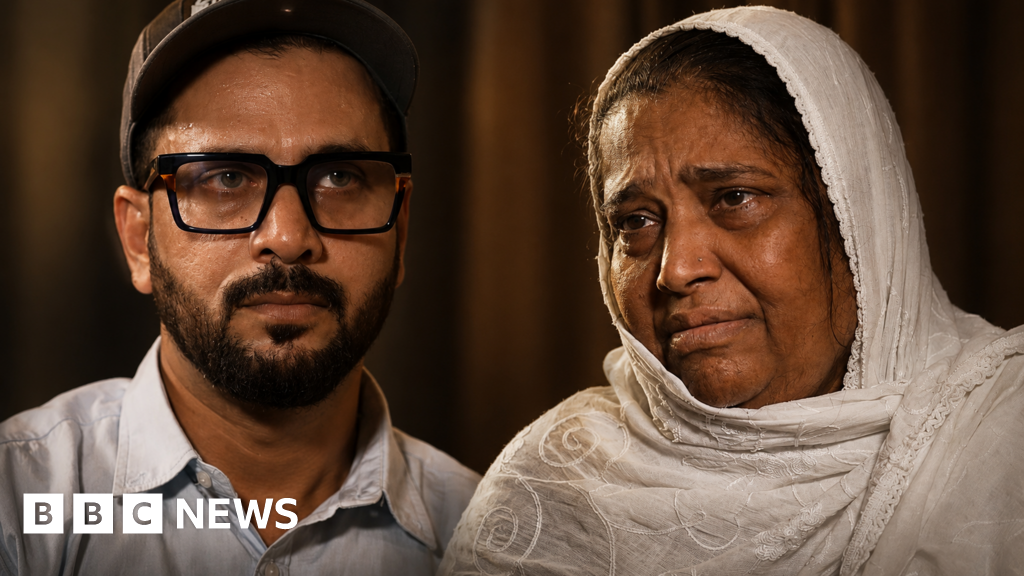
A year after the tragic Air India crash, the Ali family reflects on grief, unanswered questions, and the enduring bonds of love in the face of loss.
BBC Business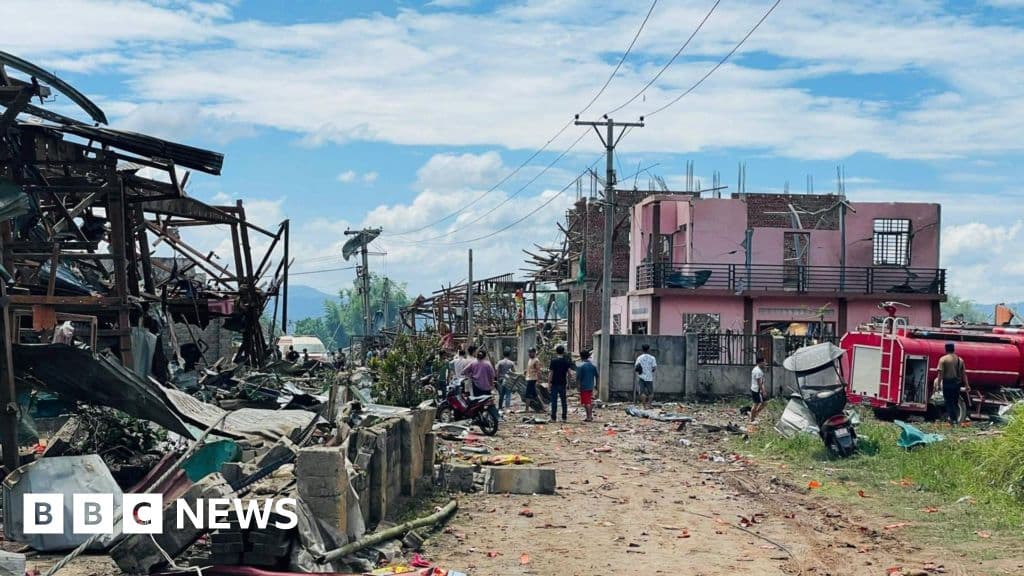
A devastating explosion in Myanmar's Kaung Tat village has killed at least 55 people, raising serious safety concerns and questions about civilian protection in conflict zones.
BBC World