

Image: Mint (Business)
Israel expands military presence in southern Lebanon amid escalating tensions with Hezbollah. Discover the implications for regional stability and security.
GlipzoIsrael is ramping up its military presence across southern Lebanon in response to a marked increase in cross-border rocket assaults from Hezbollah. This move comes amid escalating tensions in the region, marking a significant chapter in the ongoing conflict that has already claimed numerous lives.
The Israel Defense Forces (IDF) have established positions in over a dozen locations throughout Lebanon as part of their strategy to bolster defenses against the Iranian-backed militant group, Hezbollah. An Israeli official, who spoke under the condition of anonymity, indicated that further deployments may be on the horizon. The IDF stated that this military advance aims to “strengthen a forward defensive posture” against Hezbollah's increasing aggressions.
This development signals a worrying escalation of hostilities in the region, suggesting that Israel's military operations in Lebanon may extend well beyond its current engagements with Iran and its affiliates. Hezbollah's rocket attacks have intensified in response to recent U.S.-Israeli military actions, which commenced over two weeks ago, igniting fears of a broader conflict.
Tragically, the fallout from the conflict has been severe. According to the Lebanese government, Israeli airstrikes have resulted in the deaths of approximately 850 individuals and displaced hundreds of thousands more. The destruction has devastated parts of Beirut, leaving the city's landscape dramatically altered.
IDF spokesperson Nadav Shoshani reported that Hezbollah has been launching around 100 rockets and drones daily since late last week, with a third of Israel's population now living within range of these threats. Two IDF soldiers have already lost their lives as a direct result of these attacks.
The situation has prompted Israel to order the evacuation of civilians south of the Litani River, which indicates an intention to occupy a border region that constitutes about 10% of Lebanese territory. This strategic move aims to create a buffer zone to mitigate the threat posed by Hezbollah's missile capabilities.
As tensions remain high, the IDF emphasizes the necessity of maintaining a physical presence in Lebanon to thwart Hezbollah's capability to launch guided missile strikes that have previously targeted Israeli towns during the ongoing conflict tied to the war in Gaza.
Shoshani noted the possibility of hundreds of Hezbollah fighters mobilizing south of the Litani River, setting the stage for potential confrontations with IDF forces. When asked if Israeli positions would remain in Lebanon after the immediate threat is neutralized, Shoshani responded, “TBD,” underscoring the uncertainty that lies ahead.
The conflict in Lebanon reflects a broader struggle for power and influence in the Middle East, particularly between Israel and its adversaries. Hezbollah's increasing military activity is not just a local issue; it has implications for regional stability and U.S. foreign policy in the area. As the situation unfolds, it is crucial to monitor how Israel's military strategy will evolve and the potential impact on civilian populations caught in the crossfire.
This ongoing conflict highlights the fragility of peace in the region and raises important questions about how far Israel is willing to go to ensure its security. The international community is watching closely, and further escalations could lead to a wider regional conflict, drawing in multiple nations and complicating diplomatic relations.
As both sides brace for further confrontations, several key aspects will be important to monitor in the coming weeks:
In summary, the escalation of military operations in southern Lebanon is a significant development in a complex and evolving conflict. Understanding the implications of these actions will be essential for grasping the future of peace and security in the Middle East.
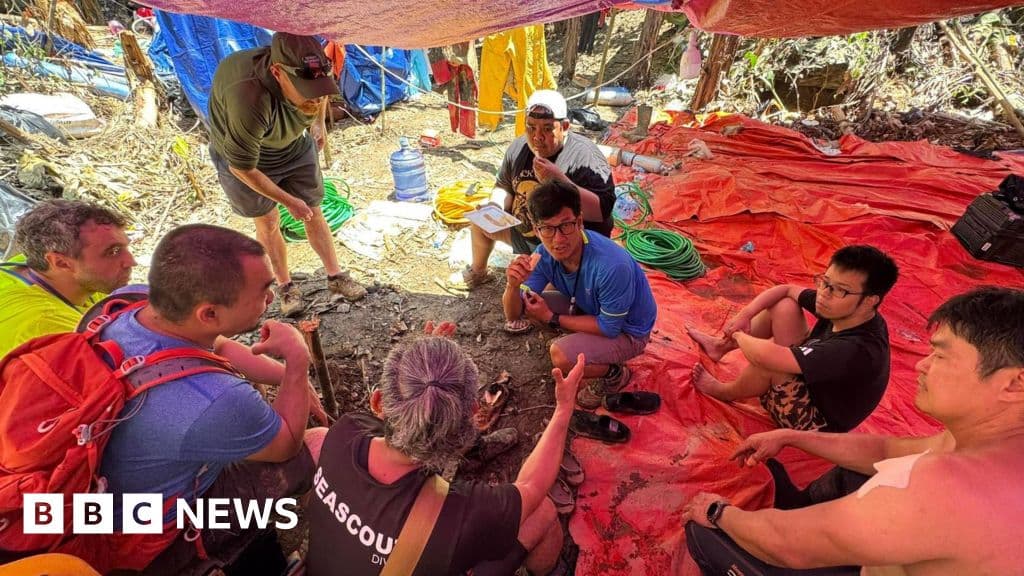
Survivors of the Laos cave rescue are aiding efforts to find the last two missing men trapped inside, sharing crucial insights for the search operation.
BBC World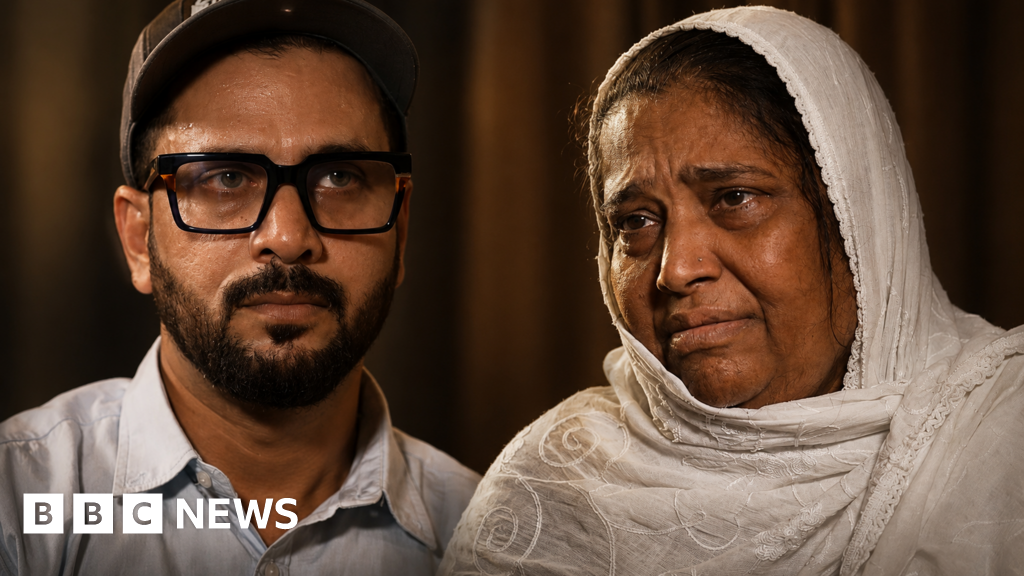
A year after the tragic Air India crash, the Ali family reflects on grief, unanswered questions, and the enduring bonds of love in the face of loss.
BBC Business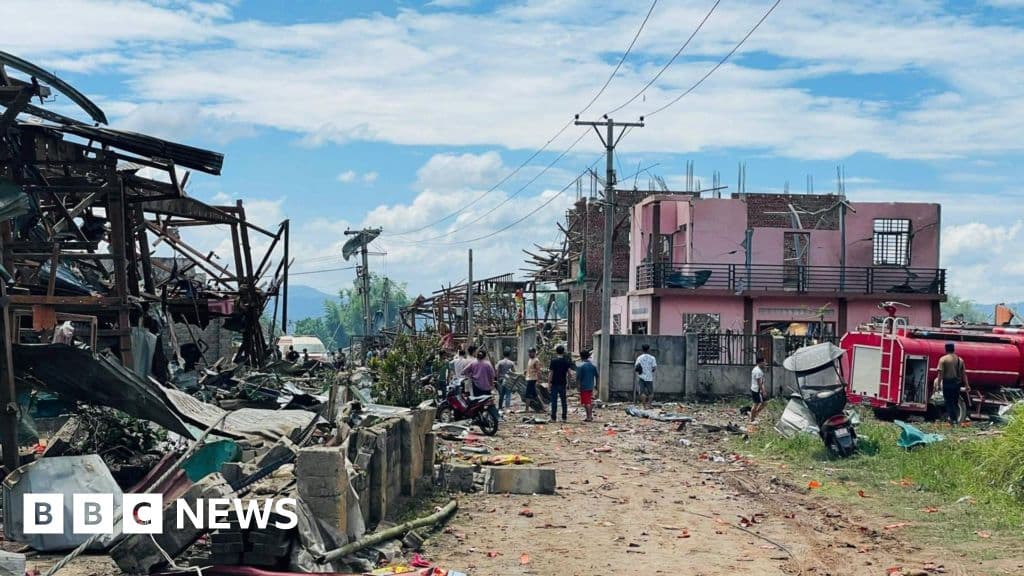
A devastating explosion in Myanmar's Kaung Tat village has killed at least 55 people, raising serious safety concerns and questions about civilian protection in conflict zones.
BBC World