
Image: BBC World
Major Israeli air strikes in Lebanon leave 182 dead, raising urgent questions about the ongoing conflict and its humanitarian impact. What happens next?
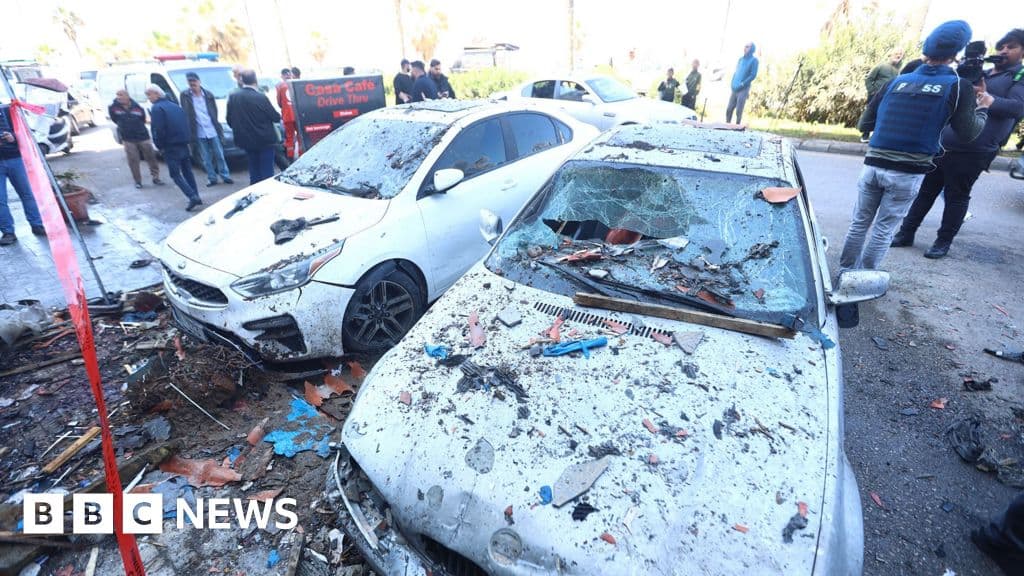
GlipzoIn a devastating escalation of conflict, Israel has launched a significant series of air strikes across Lebanon, resulting in at least 182 fatalities and hundreds more injured. This wave of violence, described as the most extensive since the outbreak of hostilities, targeted over 100 sites linked to the Hezbollah armed group within a mere 10 minutes. As the situation continues to unfold, the ramifications of this assault raise urgent questions about the ongoing conflict and the humanitarian crisis it has exacerbated.
The strikes have primarily focused on several crucial regions, including the southern suburbs of Beirut, southern Lebanon, and the eastern Bekaa Valley. According to the Lebanese health ministry, 890 individuals were reported injured, and the death toll is expected to rise as rescue operations proceed. Emergency responders are still combing through the wreckage of the most severely hit areas, uncovering remnants of normalcy amidst the chaos—photos of families, clothing, and unfinished school assignments.
Abdelkader Mahfouz, who visited his injured brother, expressed the despair of many civilians caught in the crossfire: “There was a lot of body parts here. Only people are getting harmed. What should the people do? We can't do anything,” he lamented during an interview with the BBC.
These strikes come on the heels of Israeli Prime Minister Benjamin Netanyahu’s office rebuffing claims made by Pakistan, which had facilitated a ceasefire deal between the United States and Iran. The assertion that this ceasefire encompassed the ongoing conflict in Lebanon has been firmly denied by both Netanyahu’s administration and Karoline Leavitt, the U.S. President Donald Trump's press secretary. This has led to further uncertainty regarding the prospects for peace in the region.
Despite the lack of official hostilities claimed by Hezbollah since the announcement of the ceasefire, the group has emphasized its right to retaliate. They have also cautioned displaced families to await a formal ceasefire before attempting to return to their homes, underlining the precarious situation civilians face.
As the conflict continues, the humanitarian situation in Lebanon deteriorates further. With more than 1.2 million people displaced—representing one in five residents—conditions are dire. Many families are finding refuge in schools turned shelters, while others are forced to sleep in makeshift tents, public areas, or even their vehicles. This massive displacement is placing immense pressure on Lebanon, which is already grappling with economic turmoil.
Villages near the Israeli-Lebanese border have suffered extensive damage due to ongoing military actions. Israeli forces aim to establish what they term a “security buffer zone” to dismantle Hezbollah’s operational capabilities. However, concerns are mounting that these areas may remain occupied long after hostilities cease, leaving many residents unable to return home.
This latest round of violence is part of a longer narrative involving Hezbollah and Israel, reigniting following the killing of Iran's supreme leader Ayatollah Ali Khamenei. The conflict has resulted in the deaths of more than 1,700 people, including at least 130 children, according to the Lebanese health ministry. Notably, Israel claims to have killed around 1,100 Hezbollah fighters in its operations.
Hezbollah finds itself in a complex position, facing criticism from many Lebanese who feel the group has led the country into an unwanted war, primarily serving Iranian interests. However, it continues to enjoy substantial backing among the Lebanese Shia population, reflecting the deep-rooted sectarian divides and political complexities in the nation.
As military engagements persist and the humanitarian crisis deepens, the path forward remains uncertain. Observers are surprised by Hezbollah's resilience, as the group has demonstrated significant military capabilities, challenging initial assessments of its strength following previous conflicts.
Israeli military sources have indicated a strategic reluctance to advance further into Lebanon, realizing the futility of disarming Hezbollah through military means. This acknowledgment could signal a shift in tactics, potentially opening the door for renewed discussions on peace.
The current situation not only illustrates the volatility of the Israeli-Lebanese conflict but also highlights the severe humanitarian implications for civilians caught in the crossfire. As international observers and regional powers grapple with the fallout, the need for a sustainable resolution becomes increasingly pressing. The outcome of this conflict will likely reverberate throughout the region, influencing geopolitical dynamics and humanitarian efforts for years to come.
In summary, the air strikes in Lebanon are a stark reminder of the ongoing violence that plagues the region and the urgent need for diplomatic solutions to prevent further loss of life and suffering.
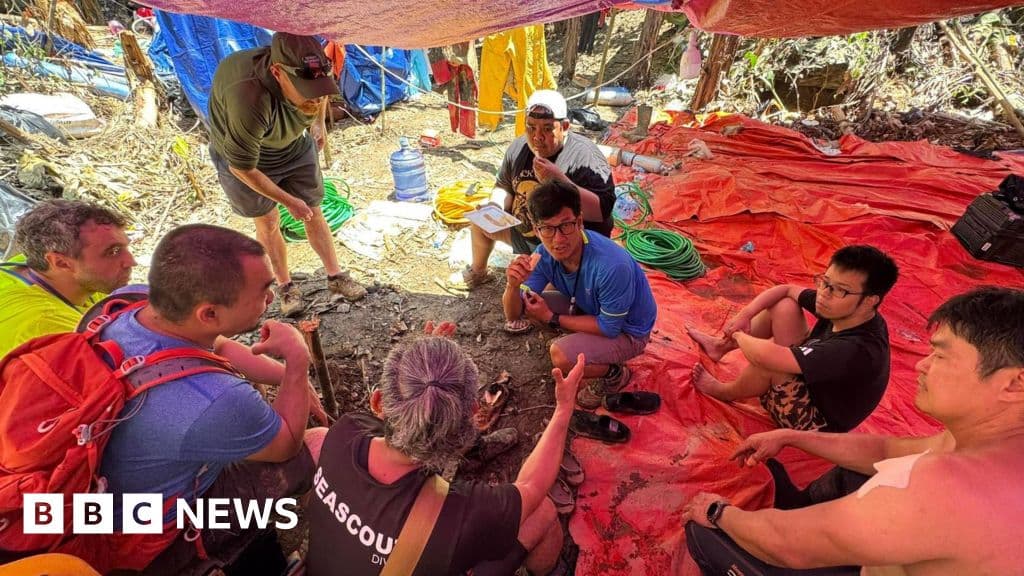
Survivors of the Laos cave rescue are aiding efforts to find the last two missing men trapped inside, sharing crucial insights for the search operation.
BBC World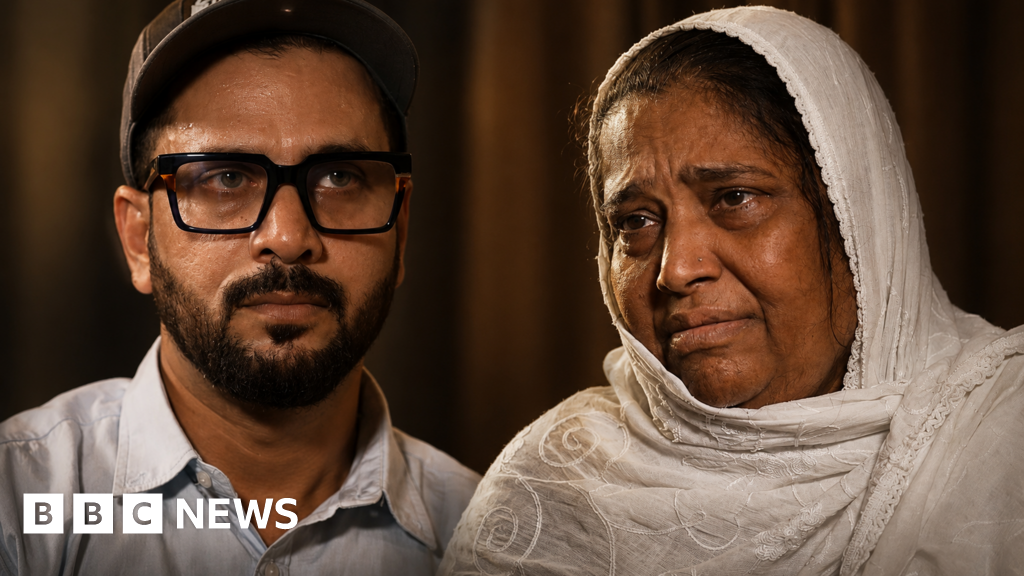
A year after the tragic Air India crash, the Ali family reflects on grief, unanswered questions, and the enduring bonds of love in the face of loss.
BBC Business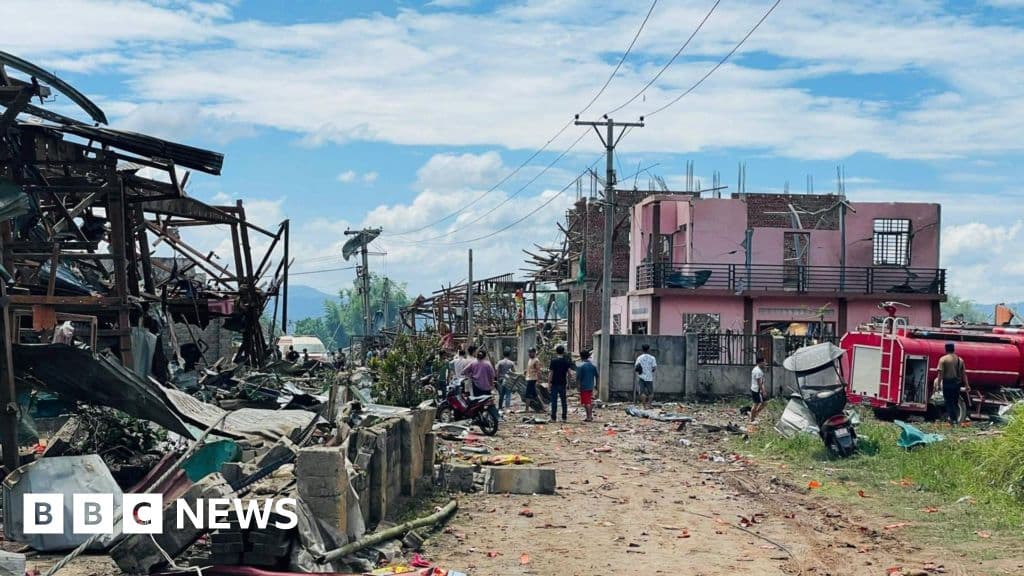
A devastating explosion in Myanmar's Kaung Tat village has killed at least 55 people, raising serious safety concerns and questions about civilian protection in conflict zones.
BBC World