
Image: BBC World
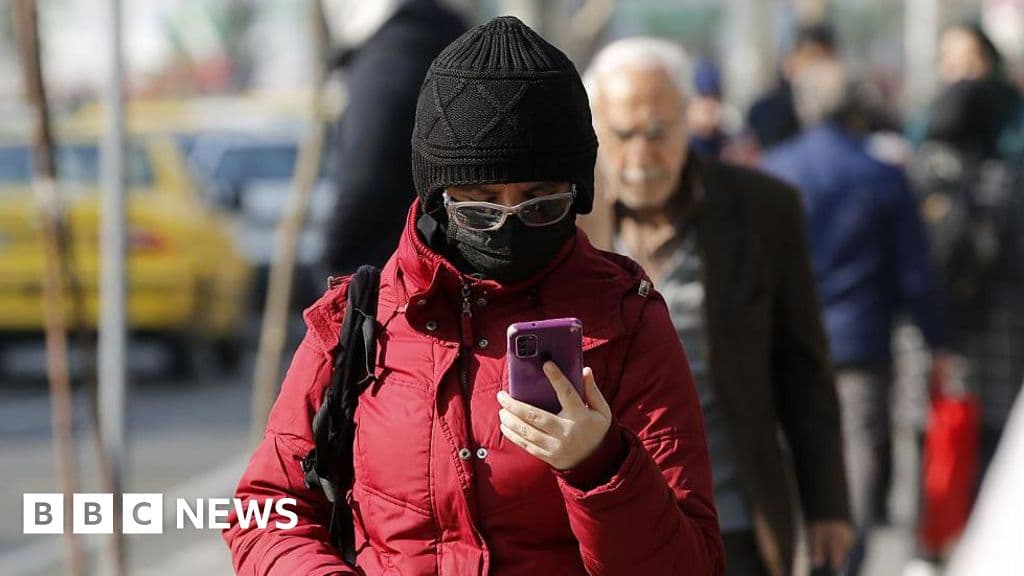
Internet access in Iran is gradually restoring after a lengthy blackout, raising questions about freedom and control in the digital age.
GlipzoAfter a months-long blackout, Iran is beginning to see the restoration of its internet services. This significant development comes as the country's first vice-president, Mohammad Reza Aref, announced on social media platform X that the "first step toward free and regulated access to cyberspace has been taken." The announcement marks a pivotal moment for many Iranians who have been cut off from the global digital landscape since a government-imposed shutdown was enacted following the onset of military actions on February 28.
Internet monitoring organizations such as Netblocks and Kentik confirmed the partial revival of internet access around 13:00 GMT. However, they cautioned that many users still face challenges, as a significant portion of the network remains offline. The Iranian authorities implemented the blackout in an effort to thwart surveillance and cyber-attacks amid rising tensions with the United States and Israel.
The decision to cut off internet services is recognized as one of the longest national internet shutdowns in history. Tehran's content creators and everyday citizens alike have felt the weight of this disruption. A content creator from the capital city expressed relief at being able to connect to the internet again, stating, "The main point is, some of my income will come back."
Despite this initial restoration, Netblocks remains skeptical about the sustainability of the internet access. Historical patterns indicate that once internet access is reinstated following a blackout, it often comes with increased restrictions. Isik Mater, the research director at Netblocks, warned that users might encounter more extensive filtering than before, especially concerning messaging applications like WhatsApp.
The recent internet blackout was not an isolated incident. In January, Iran also experienced a significant shutdown amid anti-government protests, which further exacerbated the country's limited access to global communication. Following the February military actions, the Iranian government suggested that these measures were necessary to maintain national security and prevent espionage.
As access began to return, many Iranians turned to alternative methods to bypass these restrictions. Some resorted to using virtual private networks (VPNs) or smuggling satellite communication technology into the country. These efforts highlight the lengths to which citizens will go to reclaim their digital rights and stay connected.
On April 8, a ceasefire was announced, leading to the introduction of a controversial "internet pro" scheme by the Iranian government. This program offered a premium tier of internet access for businesses and professionals at a cost, necessitating identity verification. Critics of the scheme argue that it reflects a broader trend of internet commercialization and control, rather than genuine efforts to restore free access.
One medical professional from Isfahan who refused to participate in the scheme recently reported that she also regained internet access via her home WiFi. This sentiment underscores the ongoing tension between citizens seeking connectivity and a government that has historically imposed tight restrictions on digital freedoms.
The restoration of internet services coincides with heightened geopolitical tensions in the region. Following the recent U.S. military strikes targeting Iranian missile sites and naval vessels, Iran condemned these actions as a "gross violation" of the ceasefire. The U.S. has characterized its military operations in southern Iran as "self-defense strikes", further complicating the already fragile relationship between the two nations.
As the situation continues to evolve, the implications of internet access restoration in Iran are profound. For many citizens, the ability to connect with the outside world not only impacts their personal and professional lives but also shapes the broader societal landscape. The gradual reintroduction of internet access could serve as a litmus test for the Iranian government's approach to digital rights and freedoms moving forward.
The current scenario in Iran raises critical questions about the future of internet access and freedom of expression in the country. As citizens cautiously welcome the return of online services, the following points merit attention:
The restoration of internet access in Iran signifies a hopeful turn for many, but it remains to be seen how sustainable this change will be amid a backdrop of increasing government control and international tensions. Iranians will continue to navigate these challenges as they strive for greater connectivity and freedom in their digital lives.
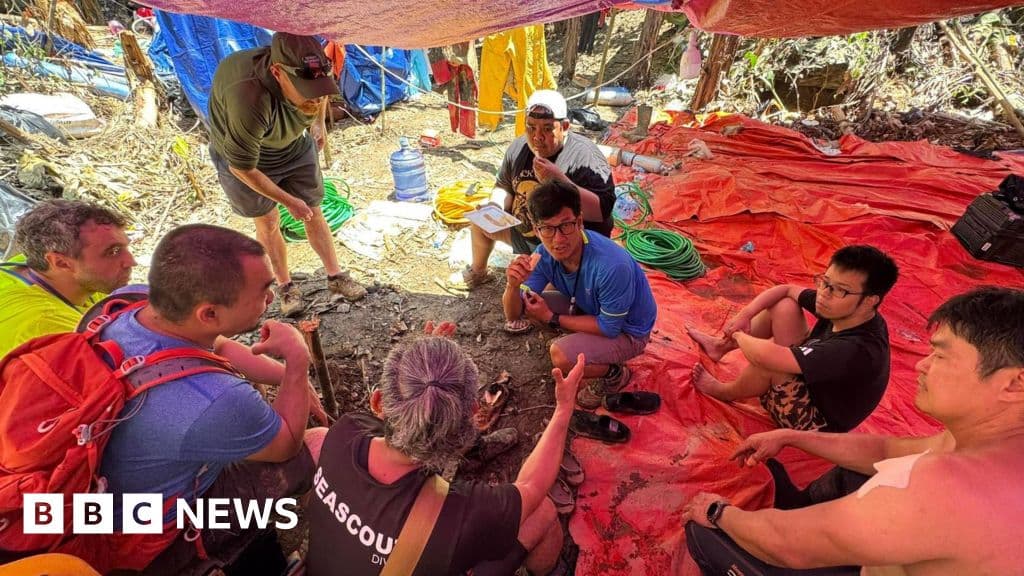
Survivors of the Laos cave rescue are aiding efforts to find the last two missing men trapped inside, sharing crucial insights for the search operation.
BBC World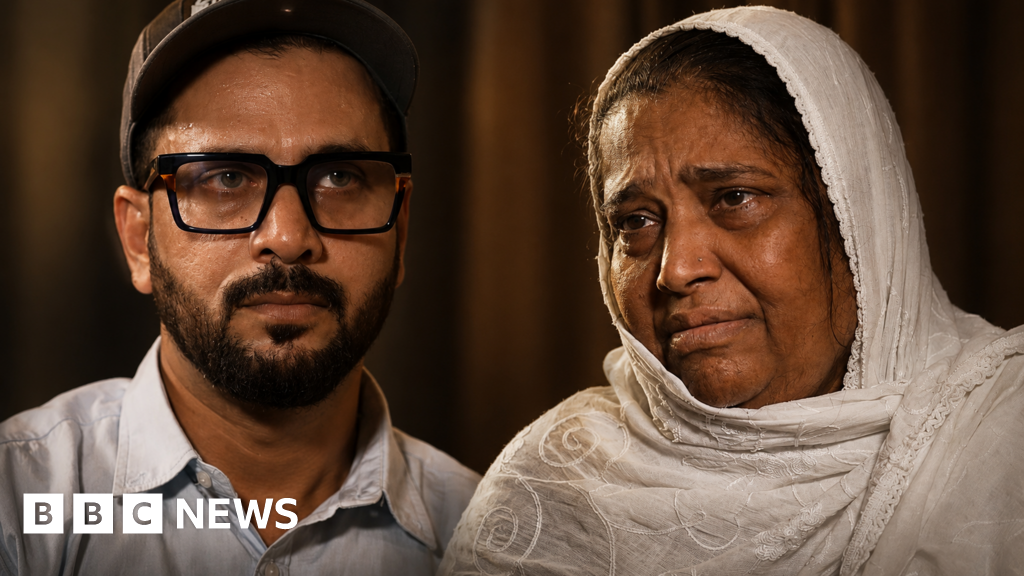
A year after the tragic Air India crash, the Ali family reflects on grief, unanswered questions, and the enduring bonds of love in the face of loss.
BBC Business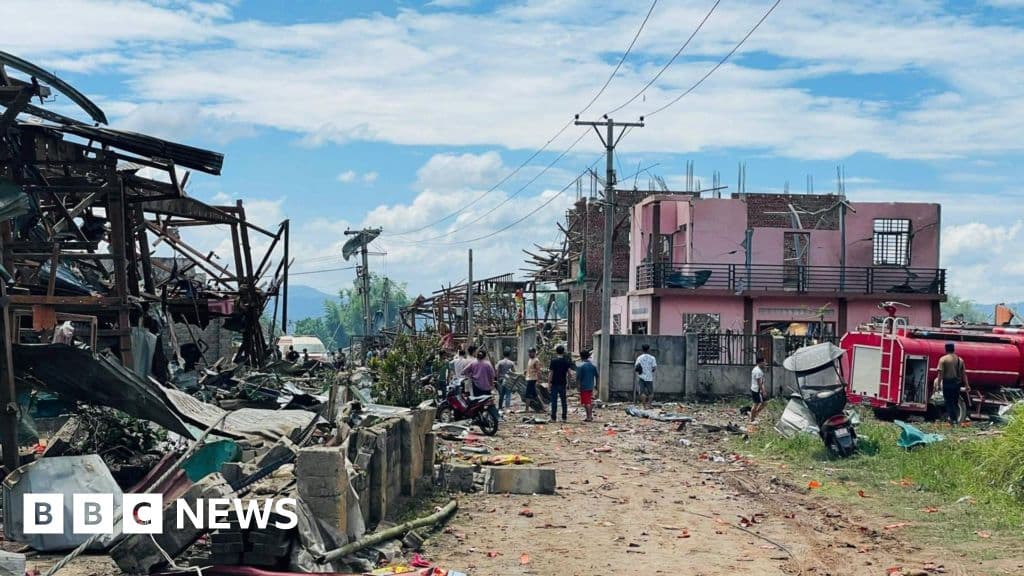
A devastating explosion in Myanmar's Kaung Tat village has killed at least 55 people, raising serious safety concerns and questions about civilian protection in conflict zones.
BBC World