
Image: BBC Business
Discover how political pressures and a focus on speed have hampered HS2, as a major review reveals critical challenges ahead for the UK's rail project.
GlipzoThe HS2 rail project—a cornerstone of the UK’s infrastructure development—has faced significant setbacks, attributed largely to an overwhelming obsession with achieving high speeds and intense political pressure. A comprehensive review, set to be released this week and led by former National Security Adviser Sir Stephen Lovegrove, is expected to echo findings from a prior assessment, emphasizing the project's foundational flaws.
Since its inception, HS2 has been clouded by controversy and criticism, and this review aims to shed light on the multitude of issues that have plagued the project. The Transport Secretary, Heidi Alexander, has already indicated that the ambitious goal of reducing travel times might need to yield to more pragmatic considerations, including potential cost savings. This shift in focus could signal a turning point in how HS2 is managed moving forward.
The anticipated report will delve deeply into how shifting political priorities have contributed to HS2's inflated costs and delays. Originally, the rail line was envisioned to extend from London to Birmingham, with plans for further branches to Leeds and Manchester. However, the landscape has changed significantly over the years:
As political agendas evolve, so too do the frameworks within which massive projects like HS2 operate. The review will likely highlight a phenomenon referred to as “gold-plating,” where the ambitions for high-speed travel led to an overly complex and extravagant design, ultimately contributing to the project’s spiraling budget.
In light of these revelations, Secretary Alexander is poised to announce that the target for trains to start running by 2033 will not be met. Experts predict that the overall cost of HS2 could exceed £100 billion, a staggering figure that has raised eyebrows among taxpayers and stakeholders alike.
Mark Wild, the chief executive of HS2 Ltd, is now charged with implementing a critical “reset” for the project. This reset aims to streamline operations and refocus efforts on problem areas, especially in the central section across Buckinghamshire, Oxfordshire, and Northamptonshire, where construction has lagged.
Originally designed to accommodate speeds of up to 360 km/h (224 mph), HS2 aimed to set a new standard in rail travel, surpassing existing UK high-speed trains, which typically operate at around 220 km/h. In contrast, HS1, the Channel Tunnel Rail Link, has a maximum speed of 300 km/h. However, with Heidi Alexander advocating for a reduction in top speeds, it remains to be seen how this will affect the project’s overall vision and execution.
Earlier this year, Alexander expressed her commitment to exploring every avenue to cut costs and expedite timelines, implying a fundamental shift in how HS2 will be approached moving forward.
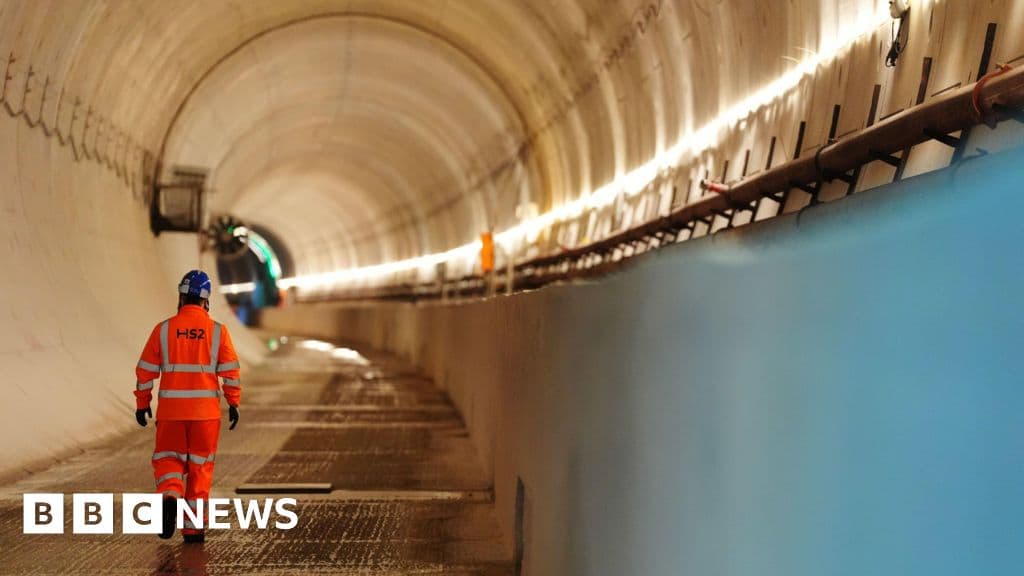
Despite the challenges, HS2 is currently in its peak construction phase, with several significant structures already completed, including: - The 10-mile tunnel under the Chilterns - The Colne Valley viaduct
However, HS2 Ltd has acknowledged the need to pause or slow down certain segments, particularly the line toward Handsacre, to concentrate resources on critical areas that require immediate attention. This strategic pause is aimed at ensuring that the project does not become further mired in delays and budgetary overruns.
The forthcoming review and its findings are not just about HS2; they reflect broader implications for the future of UK rail infrastructure. With rising costs and political shifts, the project serves as a case study in the challenges of large-scale public works. The report's conclusions could reshape not only HS2 but also how future infrastructure projects are approached in the UK.
As the government prepares to provide an updated cost estimate and further timelines, stakeholders will be keenly watching how these changes will affect the rail landscape in the UK. The question looms: can HS2 be salvaged to fulfill its original promise of enhancing capacity and connectivity, or will it become another cautionary tale of overambition in public engineering?
In the coming weeks, the release of the review could lead to significant shifts in the HS2 project and the broader conversation around high-speed rail in the UK. Key indicators to monitor include: - Official confirmation of revised timelines and costs. - Strategic decisions on speed reductions and design modifications. - Responses from stakeholders and the public regarding the future of HS2.
As developments unfold, the government's ability to navigate these challenges will be critical in determining the future of HS2 and its role in transforming the UK's rail network for generations to come.
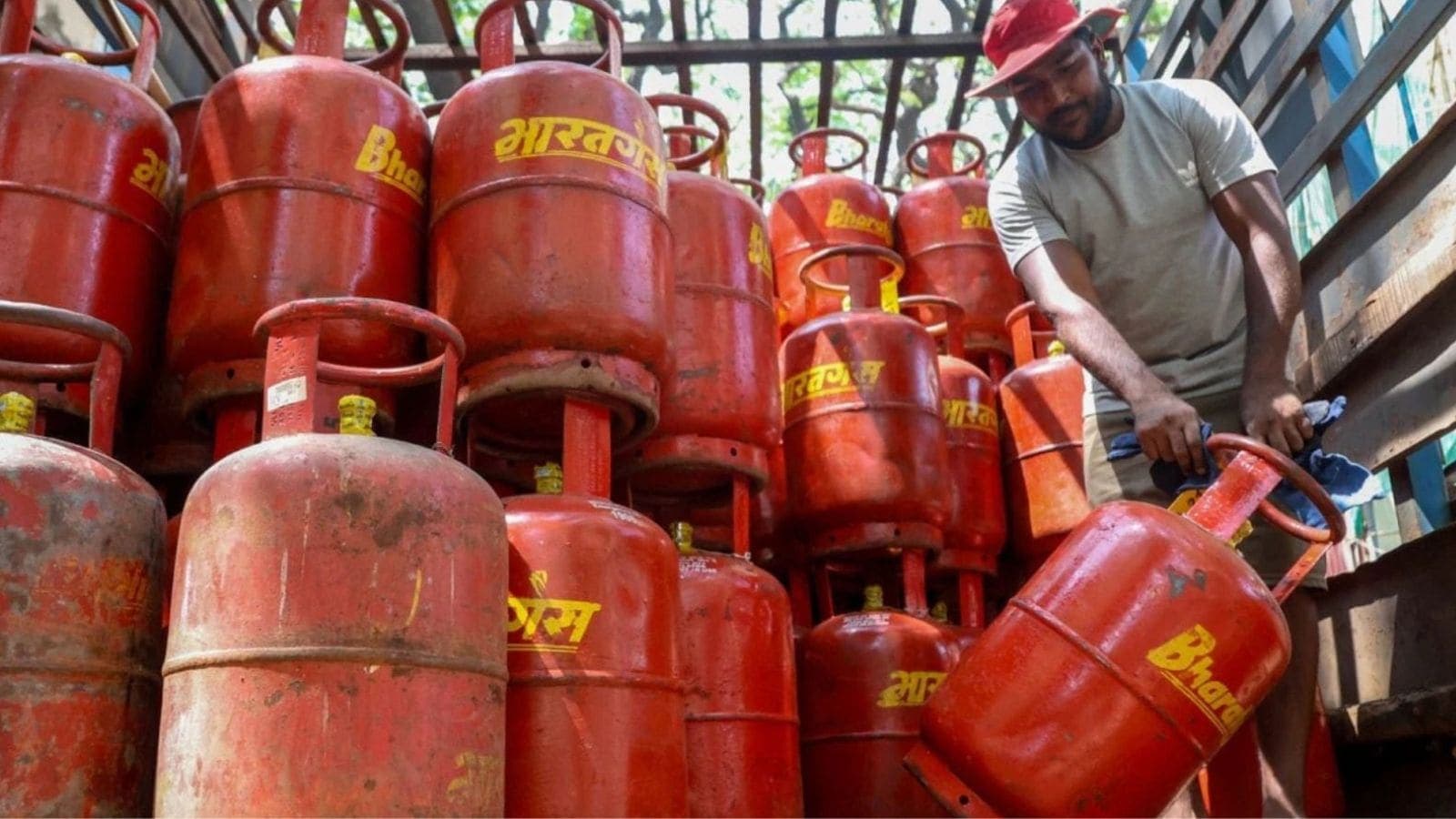
Commercial LPG prices have risen again, with increases of ₹42 in Delhi and ₹53.50 in Kolkata impacting businesses and consumers alike. Find out more.
Indian Express
Discover how a tragic coal mine explosion in Shanxi, China, reveals ongoing safety concerns in the industry amidst a push for green energy.
BBC Business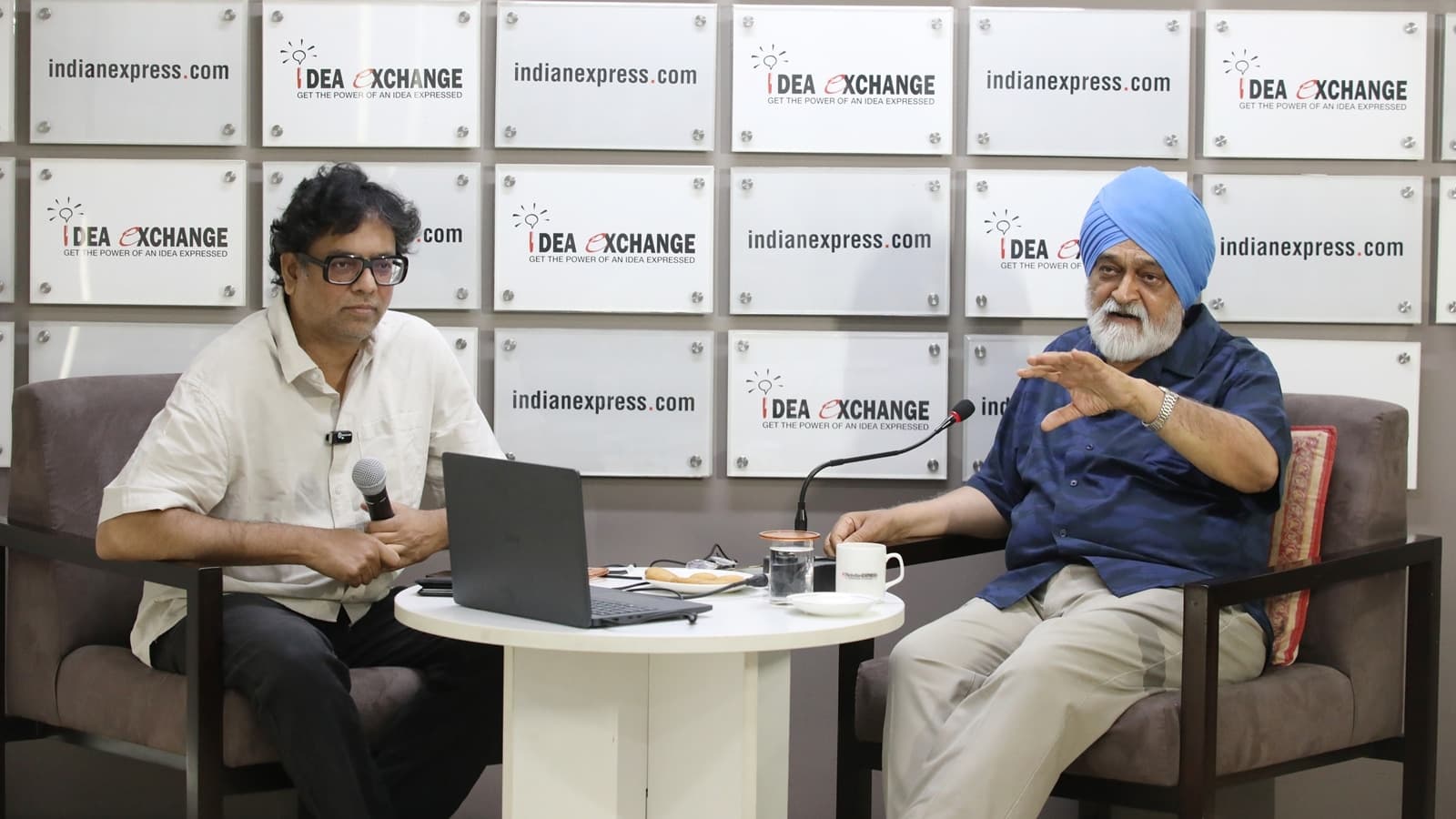
Montek Singh Ahluwalia highlights key economic challenges for India, emphasizing the need for a strategic approach to balance payments and investment.
Indian Express