

Image: Mint (Business)
A severe heat wave is impacting the U.S. Southwest, breaking records and raising wildfire risks. Discover the implications of this extreme weather.
GlipzoA staggering 9.5 million residents in the U.S. Southwest are grappling with extreme heat as an ongoing heat wave wreaks havoc across the region. This meteorological phenomenon has not only shattered temperature records but has also raised alarm bells regarding an increased risk of wildfires, extending the concern to areas as far as the Great Plains.
On Saturday, Las Vegas recorded a blistering 96°F (36°C), making it the hottest temperature ever recorded for that date. The local National Weather Service office also reported a sweltering 97°F, marking the second consecutive day for this record-breaking temperature. Meanwhile, Phoenix Sky Harbor International Airport experienced 105°F for three consecutive days, which is a remarkable high for March.
The extreme weather shows no signs of abating. Forecasters predict that both Las Vegas and Phoenix are poised to either break or tie existing temperature records for the remainder of the week, with potential extensions beyond that. Ashton Robinson Cook, a forecaster at the U.S. Weather Prediction Center, stated, "The pattern is still going to persist for the foreseeable future with record heat persisting all the way through the end of March."
Downtown Los Angeles is also expected to experience record-breaking temperatures in the coming week. According to the Weather Prediction Center, a staggering 383 daily high temperature records are anticipated to be broken, tied, or threatened across the nation within the next week.
A massive dome of high pressure is responsible for this surge in temperatures across the Southwest, and it threatens to push excessive heat and dry air into the Great Plains, significantly increasing the risk of wildfires. Red flag fire warnings were issued across vast areas of Texas, Oklahoma, and Kansas on Sunday.
Robinson Cook cautioned, "With patterns like these you don’t want to sleep on the fire weather threat."
This scorching heat follows a record warm winter that affected nine western states, including Texas, Nevada, and Arizona, as reported by the National Centers for Environmental Information. California, Nebraska, and Kansas recorded their second warmest winters in the past 131 years, reflecting a broader trend of elevated temperatures across the U.S.
The persistent warmth threatens essential snowpack in the mountains, which is crucial for water supplies, particularly for agriculture later in the year. Jennifer Francis, a senior scientist at the Woodwell Climate Research Center, highlighted the long-term implications of these extreme weather patterns.
While overall global warming is a contributing factor, experts are also linking the persistent jet stream pattern that has anchored the high-pressure system over the Southwest to warming oceans in the North Pacific. Francis stated, "Brutal heat waves are not just a summertime concern anymore. These unprecedented events may be the new abnormal we should expect to see more often as heat-trapping greenhouse gases continue to build up in the atmosphere."
The long-term forecast indicates that relief from this oppressive heat is not on the horizon. The U.S. Climate Prediction Center has reported that most of the country, with the exception of the Northeast, is likely to experience above-normal temperatures through April 4. Furthermore, the agency's three-to-four-week outlook suggests that warmer temperatures will persist throughout the contiguous United States until April 17.
The implications of this intense heat wave extend beyond mere discomfort; they encompass severe risks to public health, agriculture, and the environment. As communities brace for the ongoing heat and potential wildfires, it’s essential for residents to stay informed and prepared.
In summary, the ongoing heat wave in the U.S. Southwest is a stark reminder of the changing climate and its far-reaching effects. As temperatures continue to break records, the focus must shift to understanding these patterns and their implications for the future.
The next few weeks will be critical to watch for further developments, as the potential for exacerbated fire conditions looms large in the wake of this intense heat.
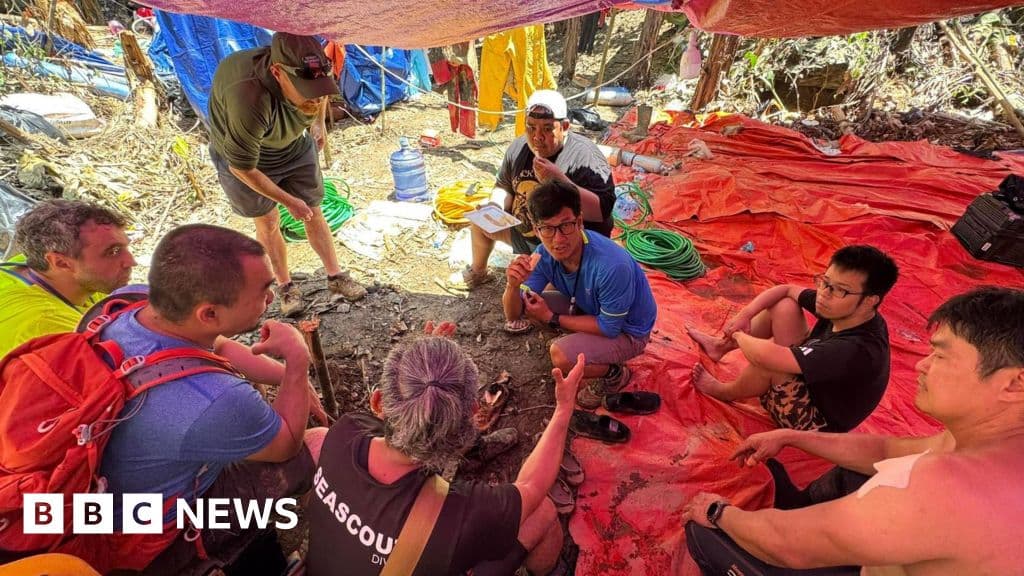
Survivors of the Laos cave rescue are aiding efforts to find the last two missing men trapped inside, sharing crucial insights for the search operation.
BBC World
A year after the tragic Air India crash, the Ali family reflects on grief, unanswered questions, and the enduring bonds of love in the face of loss.
BBC Business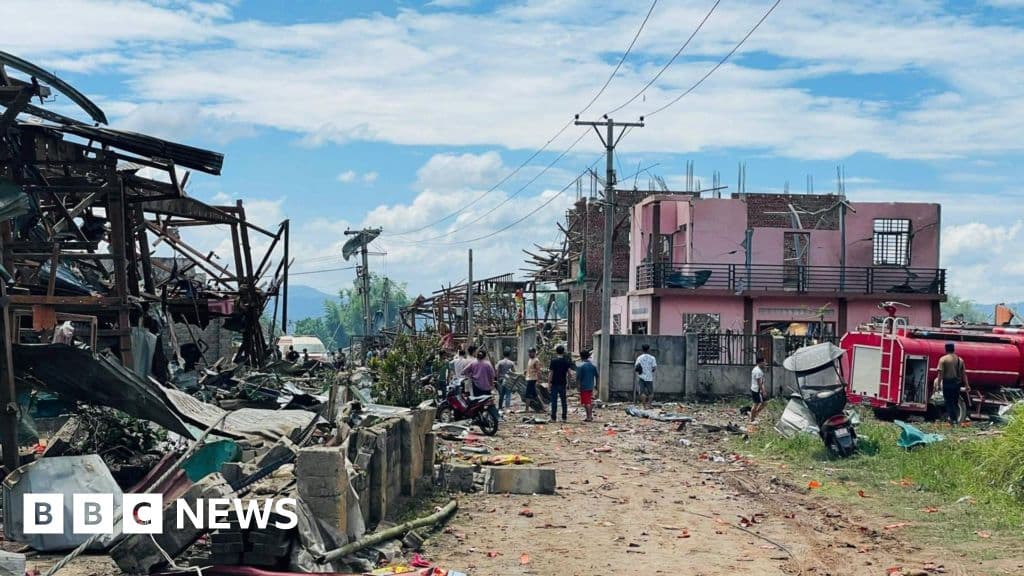
A devastating explosion in Myanmar's Kaung Tat village has killed at least 55 people, raising serious safety concerns and questions about civilian protection in conflict zones.
BBC World