
Image: BBC Science
The U.S. panel's controversial vote to exempt Gulf drilling from endangered species protections sparks fierce environmental backlash. How will this unfold?
GlipzoIn a significant and contentious move, a U.S. federal panel, commonly referred to as the 'God Squad', has voted to waive protections for endangered species in order to facilitate increased oil and gas drilling in the Gulf of Mexico. This decision, made on Tuesday, marks a pivotal moment in the ongoing debate surrounding environmental conservation and energy production.
The panel's vote was made in response to a request from Pete Hegseth, the U.S. Secretary of Defense. Hegseth underscored the importance of increasing domestic oil production, particularly in light of recent tensions with Iran. He stated, "Recent hostile actions by the Iranian government illustrate why securing more domestic oil production is critical for national security."
The Endangered Species Act, enacted in 1973, was designed to shield vulnerable species from the adverse effects of development. This law includes provisions to restrict activities that could jeopardize endangered wildlife, such as construction projects. However, the Endangered Species Committee, colloquially known as the 'God Squad', has the authority to bypass these regulations under specific circumstances, such as national security concerns or when no viable alternatives exist.
Hegseth's appeal to the committee was made prior to the escalation of conflict with Iran, but he argued that the situation highlights the urgency of securing national oil supplies. He pointed out that the Strait of Hormuz, a crucial oil shipping channel, had been effectively closed off due to geopolitical tensions, driving up gas prices across the U.S. to over $4 per gallon for the first time in nearly four years.
The decision to exempt oil drilling from the Endangered Species Act has sparked outrage among environmental advocates. Groups such as the Centre for Biological Diversity have expressed grave concerns over the potential extinction of the Rice's Whale, a critically endangered species with a current population of only 51 individuals. This whale species is indigenous to the Gulf of Mexico and has already suffered significant population declines, particularly following the Deepwater Horizon oil spill.
Brett Hartl, the government affairs director at the Centre for Biological Diversity, stated, "Americans overwhelmingly oppose sacrificing endangered whales and other marine life so the fossil fuel industry can get richer." This sentiment reflects a broader public concern about the implications of prioritizing oil drilling over wildlife conservation.
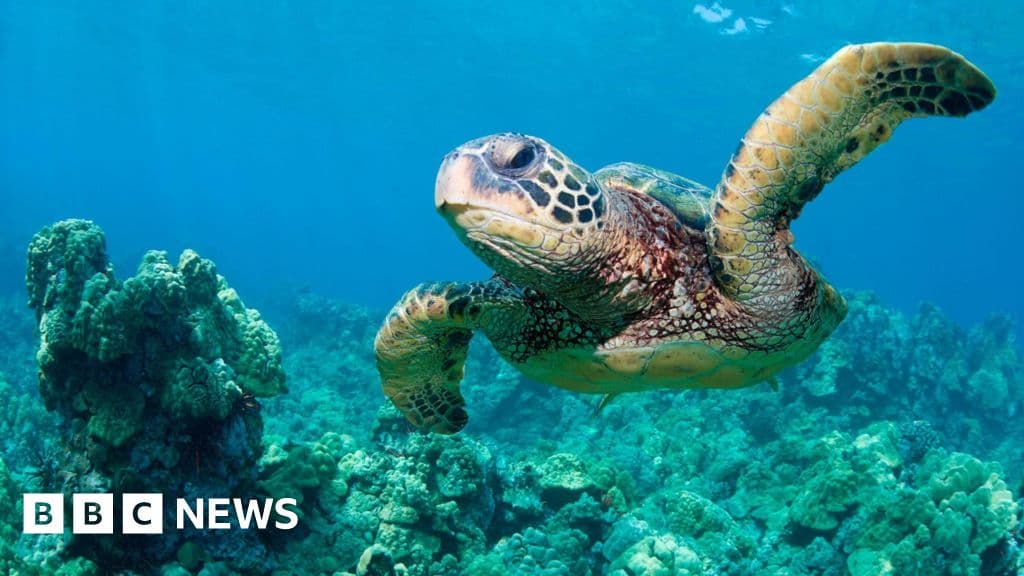
The Gulf of Mexico is not only home to the Rice's Whale but also supports a diverse array of 19 other threatened and endangered species, including various turtles, the giant manta ray, and mountainous star coral. The unanimous vote by the 'God Squad' to approve the exemption for oil drilling was only the third such decision in the committee's 53-year history, highlighting the rarity and gravity of this action.
Hegseth defended the exemption by claiming that litigation from environmental groups has hindered oil and gas operations. He argued that the exemption would allow for a more harmonious relationship between energy production and endangered species protection, stating that it would enable the "integration of oil and gas production with responsible endangered species protection."
In 2025, the National Marine Fisheries Service had already concluded that continued oil and gas activities in the Gulf could lead to the extinction of the Rice's Whale. At that time, the agency recommended precautionary measures, including reducing vessel speeds to mitigate risks to the species. However, with the recent decision, these protective measures will no longer be enforced.
Andrea Wood, a spokesperson for the American Petroleum Institute, emphasized the industry's commitment to wildlife protection, asserting that there needs to be a balance between scientific protections and the growing demand for energy. "Our industry has a long track record of protecting wildlife while developing offshore energy responsibly," she stated.
In response to the committee's decision, environmental organizations have vowed to pursue legal action to reverse the exemption and protect the endangered species at risk. As the situation unfolds, the implications of this decision are likely to be felt not only in the Gulf but across the broader landscape of U.S. energy policy and environmental law.
The decision to allow oil drilling while bypassing endangered species protections raises critical questions about the balance between energy needs and environmental conservation. As tensions in the Middle East continue to influence U.S. energy policy, the fate of vulnerable species hangs in the balance.
As legal battles loom and public outcry grows, it will be essential to monitor how this decision impacts both the oil market and endangered species in the Gulf. Environmental advocates are likely to intensify their efforts, while the oil industry will push for the continuation of drilling operations. The next steps in this ongoing saga will be critical in determining the future of both energy production and environmental protection in the United States.

Tensions soar as the US and Iran engage in air strikes near the Strait of Hormuz, raising concerns over global oil supply and regional stability.
BBC World
Trump's international interventions face serious stalemates. What will this mean for U.S. foreign policy? Explore the critical challenges ahead.
Indian Express
Tehran denies resignation of President Masoud Pezeshkian amid claims of IRGC influence. What does this mean for Iran's political stability? Click to learn more!
Indian Express