
Image: BBC World
A significant glacier blockage on Everest threatens climbers' access in peak season. What does this mean for summits in 2023? Read to find out more.
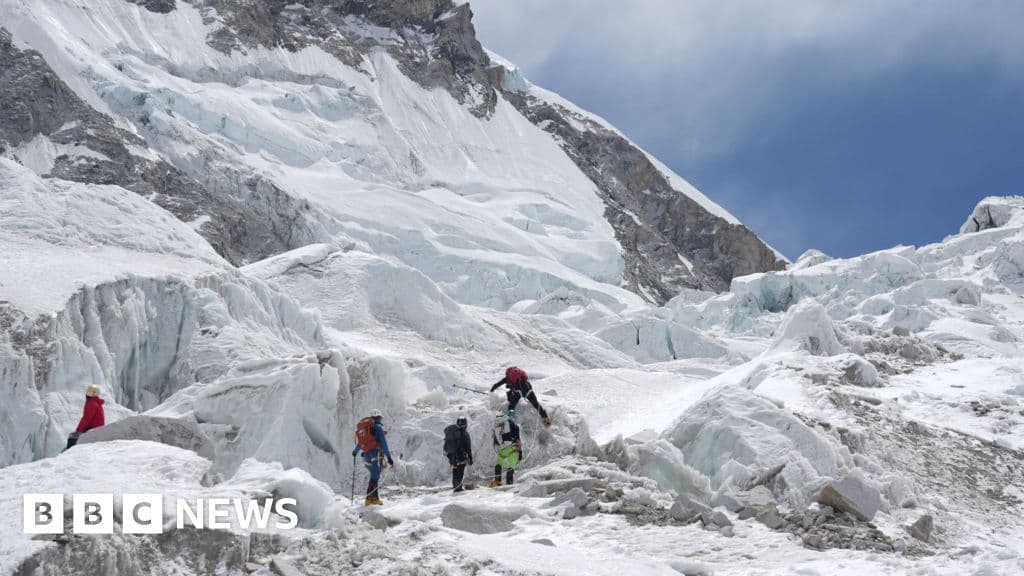
GlipzoA significant glacier blockage has emerged on Mount Everest, creating challenges for climbers as the peak climbing season commences in the Himalayas. This 100-foot-high (30m) ice mass, known as a serac, has obstructed the route from Base Camp to Camp 1, compelling climbers and their support teams to rethink their strategies.
The icefall doctors, specialists tasked with setting up ropes and ladders on the mountain, have reported that there is currently no viable path around this massive ice structure, which is located just below Camp 1. According to Tshering Tenzing Sherpa, the base camp coordinator for the Sagarmatha Pollution Control Committee (SPCC), the only feasible solution is to wait for the serac to melt naturally.
"We haven’t found artificial ways to melt it so far, so we don’t have any options other than to wait for it melting and crumbling itself," said Sherpa. This unexpected delay has set back preparations significantly, as climbers typically begin acclimatizing and fixing routes by this point in April.
As the climbing season progresses, climbers are expressing growing concerns regarding the potential for congestion on the mountain. Purnima Shrestha, a notable climber and photographer from Nepal, is currently acclimatizing for her sixth summit attempt of Everest. "The delays in the opening of the route have added concerns of possible 'traffic jams' to the peak this year," she shared, emphasizing the impact of the glacier blockage on climbers' schedules.
Typically, climbers would rotate between Camp I, Camp II, and Camp III during the acclimatization process. However, with the route to Camp 1 still blocked, climbers face the prospect of a crowded summit push as they converge on a narrower climbing window.
The SPCC team reached Base Camp three weeks ago with the intention of fixing the route to Camp 3. However, they remain stalled approximately 600 meters below Camp 1 due to the serac. Ang Sarki Sherpa, an experienced icefall doctor, commented on the situation, noting that the lower section of the ice structure appears weak and is expected to melt soon.
In light of the challenging conditions, the Nepal Department of Tourism is exploring several alternatives to facilitate climbers’ access to higher camps. One proposal involves using helicopters to airlift the rope-fixing teams directly to Camp II, allowing them to establish a route above the current obstruction while waiting for the serac to melt.
Ram Krishna Lamichhane, the department's director general, stated, "We are thinking about airlifting the rope-fixing team and their logistics to Camp 2 by helicopter." This method could expedite the route opening, which is crucial as favorable weather conditions are anticipated only until the end of May.
Despite these challenges, climbers remain optimistic. Shrestha noted that while the route's opening is still uncertain, there is ample time to adapt to the situation. However, she warned that the climbing window might be constrained, resulting in a high number of climbers attempting to reach the summit within a limited timeframe.
In terms of climbers' numbers this year, the Nepal Department of Tourism has reported that 367 permits for climbing have been issued, with a significant portion of applicants being from China. Despite external factors like the ongoing conflict in Iran, which has affected travel and fuel costs, mountaineering remains a popular pursuit. Dambar Parajuli, president of the Expedition Operators' Association, stated that while there has been a slight decrease in climbers due to travel disruptions, mountaineering has not been impacted as severely as trekking.
As the climbing season unfolds, all eyes will be on the serac and its potential to melt quickly, allowing the icefall doctors to resume their critical work. The climbers and support teams are keenly aware that every day counts during this narrow climbing window, and they will need to remain adaptable to the evolving conditions on Everest.
As the weather changes and the situation develops, climbers will be watching closely for updates on the route's status and any potential solutions proposed by the authorities. The outcome of this year’s climbing season will not only depend on the natural melting of the serac but also on the agility of the climbing teams and their ability to navigate the challenges presented by this iconic peak.
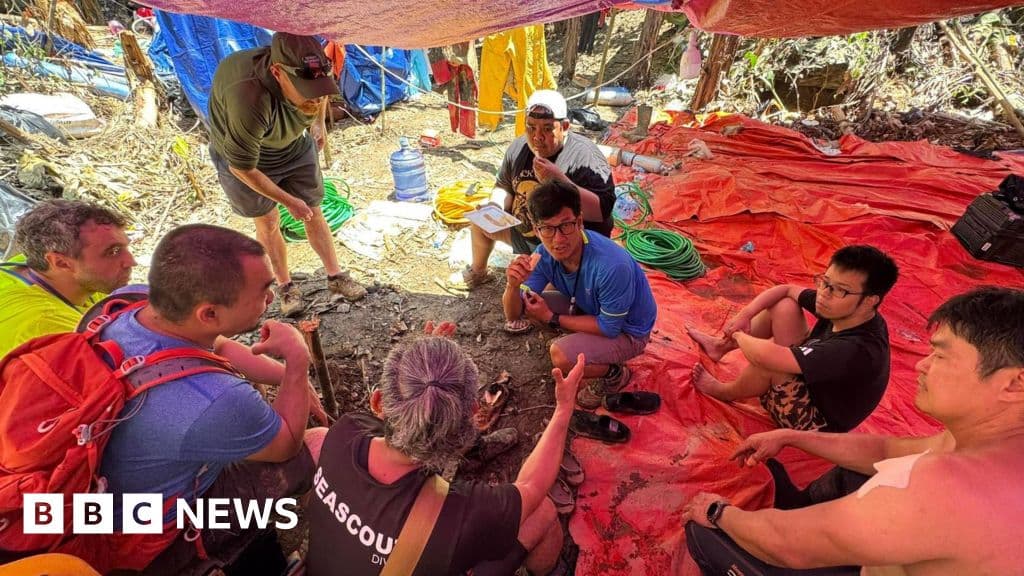
Survivors of the Laos cave rescue are aiding efforts to find the last two missing men trapped inside, sharing crucial insights for the search operation.
BBC World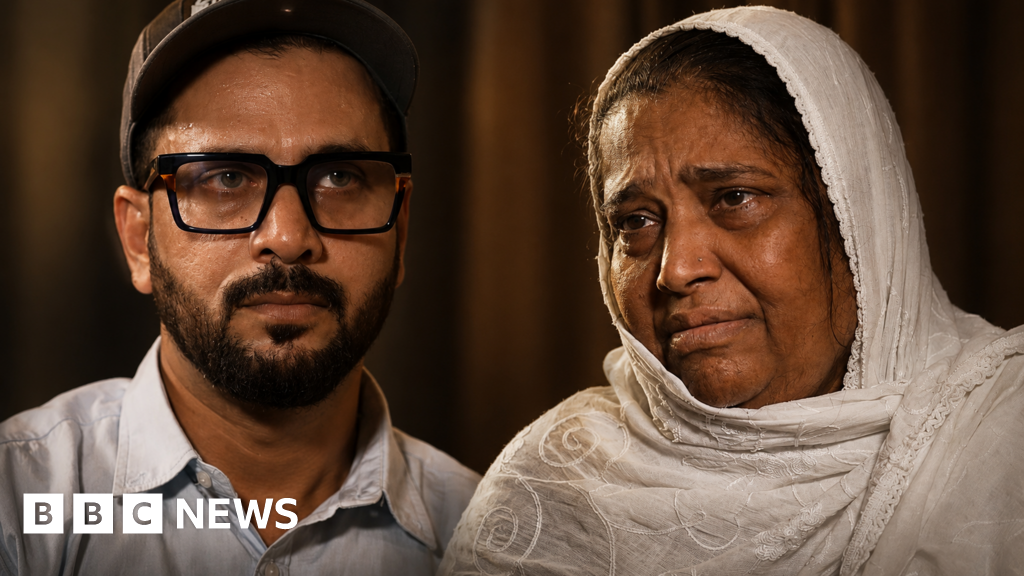
A year after the tragic Air India crash, the Ali family reflects on grief, unanswered questions, and the enduring bonds of love in the face of loss.
BBC Business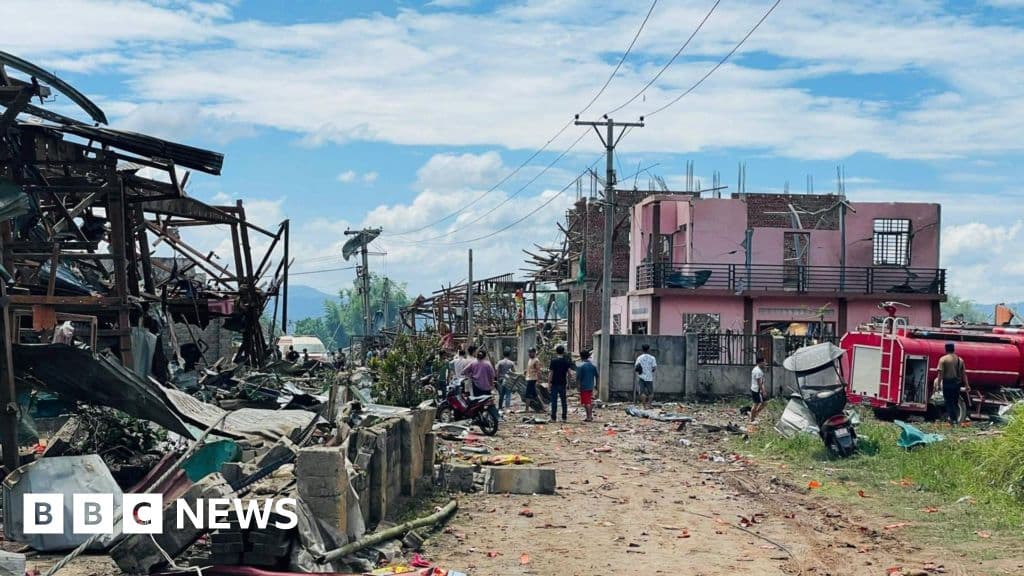
A devastating explosion in Myanmar's Kaung Tat village has killed at least 55 people, raising serious safety concerns and questions about civilian protection in conflict zones.
BBC World