
Image: Mint (Business)
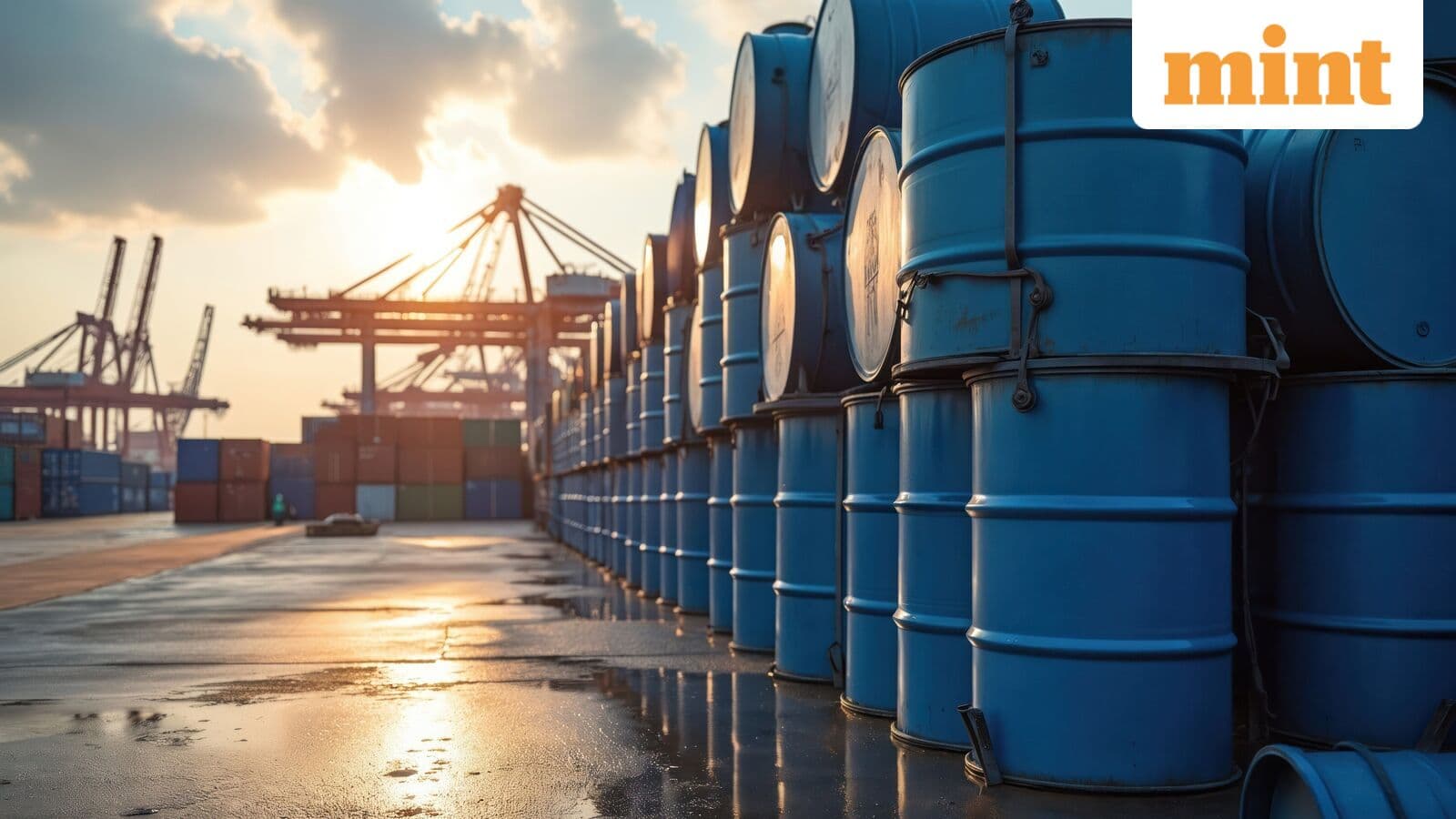
India raises industrial diesel and premium petrol prices as crude oil surpasses $100, signaling potential inflation. What’s next for fuel prices?
GlipzoNew Delhi is feeling the impact of rising crude oil prices, which have now surpassed $100 a barrel due to escalating conflicts in West Asia. In response to these market conditions, India has initiated a selective fuel price increase, particularly affecting industrial diesel and premium petrol, while maintaining stable prices for regular petrol and diesel.
State-owned oil marketing companies (OMCs) have announced a ₹22 per litre increase in industrial diesel prices and a rise of ₹2 per litre for premium petrol. This decision reflects the ongoing volatility in global oil markets, prompting the Indian government to implement these changes strategically.
In the capital, Delhi, premium petrol is now priced at ₹101.89 per litre, up from ₹99.89, while industrial diesel will now cost ₹109.59 per litre. Interestingly, the prices of common transport fuels and premium diesel remain unchanged, highlighting a targeted approach to manage the economic impact of these adjustments.
Earlier in the month, the government also raised prices for domestic cooking gas by approximately ₹60 and ₹115 for commercial LPG. This trend of increasing fuel prices raises concerns about inflationary pressures on the economy.
Sujata Sharma, joint secretary in the Ministry of Petroleum and Natural Gas (MoPNG), clarified during a media briefing that the hikes are limited to premium fuel types, which represent only 3-4% of total fuel consumption. She emphasized that fuel prices are deregulated and influenced by market dynamics, allowing OMCs to respond to fluctuations.
Industrial diesel is particularly important, accounting for about 12% of India's total diesel sales. Its price increase could lead to higher operational costs across various sectors, potentially driving inflation further.
Pronab Sen, a former chief statistician of India, expressed that while the increase in industrial diesel prices will likely affect inflation, the impact of the premium petrol hike will be negligible due to its limited consumption. Sen noted that OMCs possess two significant buffers against rising oil prices: current pump prices are already above global averages, and there’s considerable room for the government to reduce taxes and duties to mitigate the financial burden on these companies.
In May 2022, the Indian government had previously lowered excise duties on petrol and diesel, cutting them by ₹8 and ₹6 per litre, respectively, to alleviate pressure caused by the Russia-Ukraine conflict. This historical context underscores the government's sensitivity to fuel pricing and its implications for the economy.
Former member of the Planning Commission of India, Kirit Parikh, commented on the current climate, stating, "We are going through uncertain times. If prices weren't adjusted, OMCs might have had to resort to rationing, which would be undesirable. This adjustment will promote more efficient fuel usage."
Queries sent to major Indian oil companies such as Indian Oil Corporation Ltd, Bharat Petroleum Corporation Ltd, and Hindustan Petroleum Corporation Ltd about their pricing strategies remained unanswered as of the time of this report.
In a statement, Indian Oil Corporation reassured customers that despite increasing international costs, there would be no rise in regular automotive fuel prices. The company specified that the price revision only applies to premium petrol (XP-95), which has a minimal effect on overall fuel consumption.
Recent geopolitical events have significantly influenced crude oil prices. On Thursday, prices surged to nearly $119 per barrel following Israeli attacks on Iranian gas fields and retaliatory strikes from Iran. However, prices dipped on Friday after the U.S. hinted at potentially easing sanctions on Iranian oil. This development could alter the flow of oil and stabilize prices in the near future.
U.S. Treasury Secretary Scott Bessent stated in a recent interview, "In the coming days, we may unsanction the Iranian oil that’s on the water," referring to around 140 million barrels. This statement suggests that the U.S. has been allowing some Iranian oil to continue flowing out of the Gulf and may consider further flexibility in the future.
As the global oil market remains unpredictable, it will be crucial for the Indian government and OMCs to monitor the situation closely. The responses to these rising costs will likely shape fuel pricing strategies in the coming weeks and months.
Key factors to watch include: - Further adjustments in fuel pricing based on international market trends. - Potential government interventions to alleviate inflationary pressures through tax adjustments. - Geopolitical developments in West Asia that could affect oil supply chains.
In summary, while the current fuel price hikes may seem contained, the broader implications for India’s economy remain significant. Stakeholders will be keenly observing how both domestic policies and international relations evolve to influence these critical fuel prices.
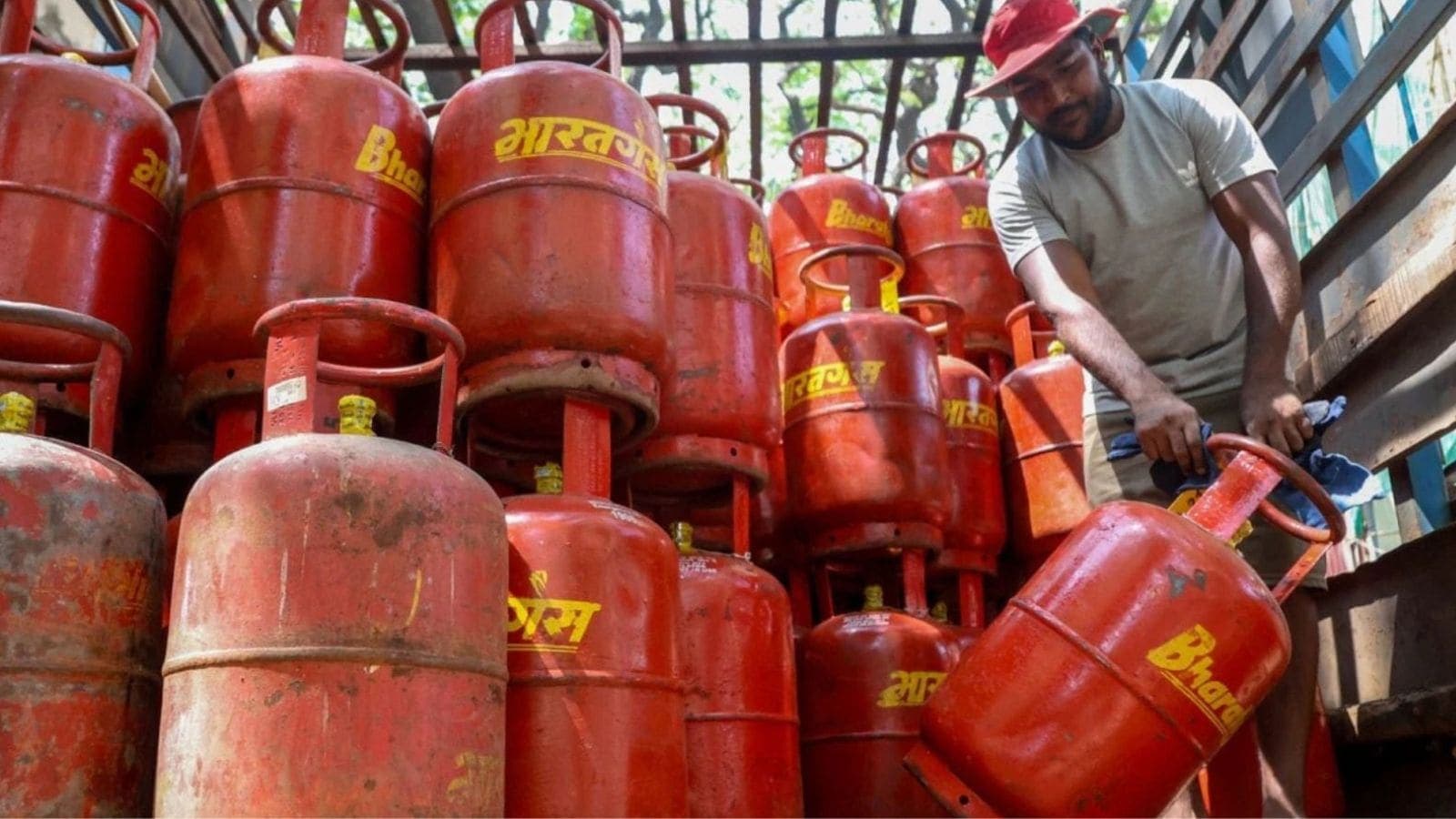
Commercial LPG prices have risen again, with increases of ₹42 in Delhi and ₹53.50 in Kolkata impacting businesses and consumers alike. Find out more.
Indian Express
Discover how a tragic coal mine explosion in Shanxi, China, reveals ongoing safety concerns in the industry amidst a push for green energy.
BBC Business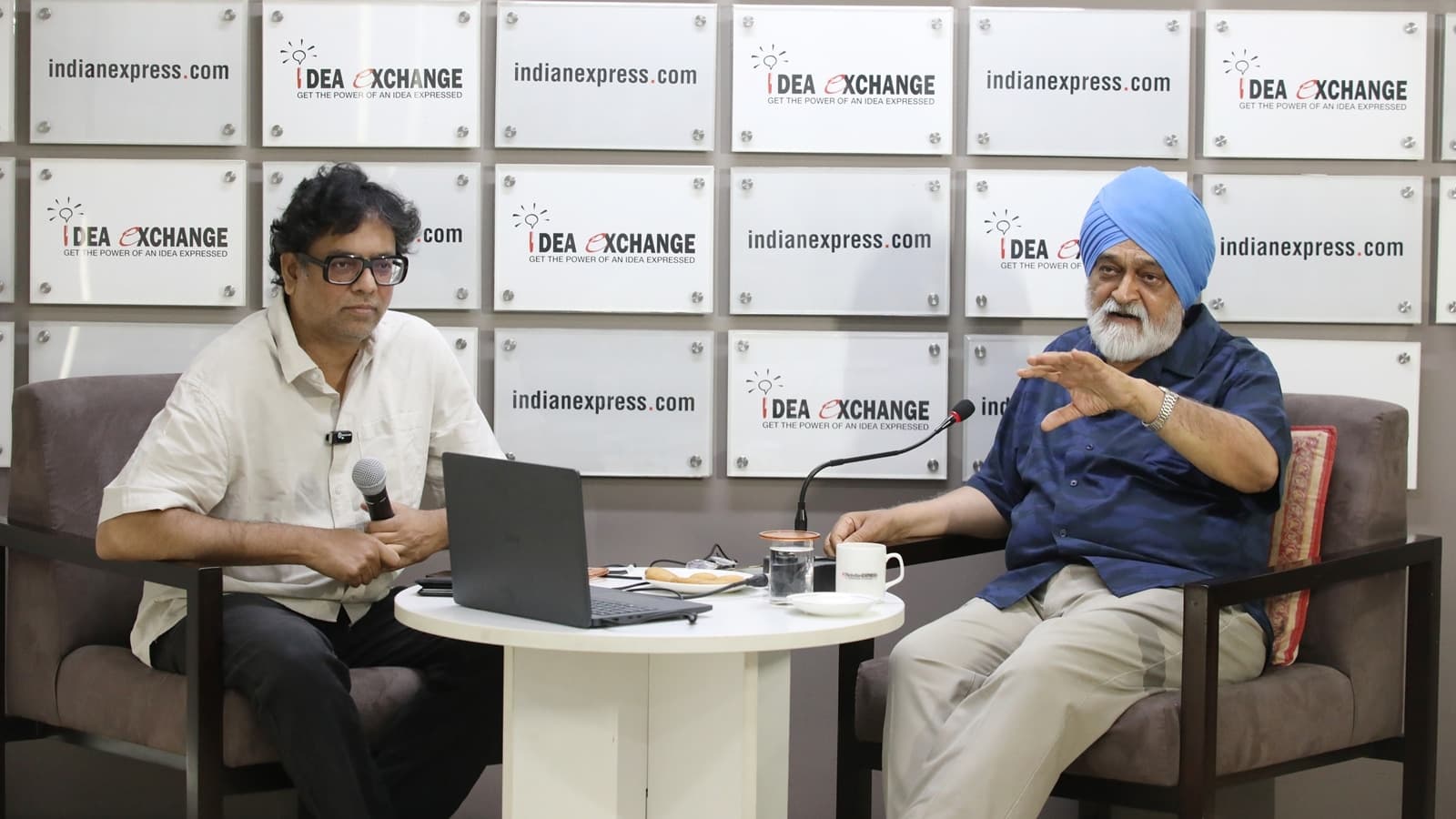
Montek Singh Ahluwalia highlights key economic challenges for India, emphasizing the need for a strategic approach to balance payments and investment.
Indian Express