
Image: Indian Express
Fuel prices surge again as OMCs hike petrol and diesel by 90 paise. What does this mean for consumers and the economy? Click to find out more.
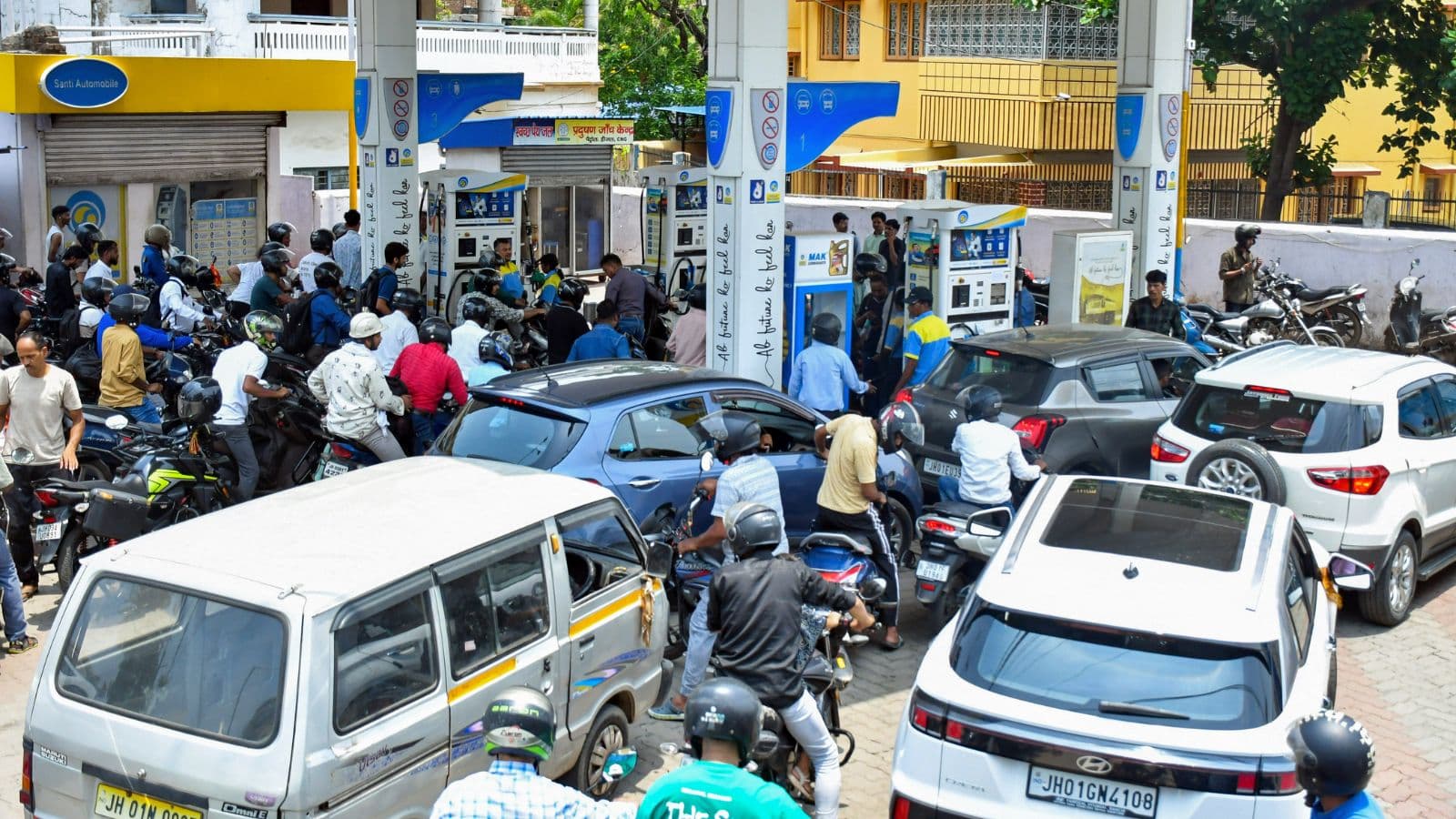
GlipzoIn a dramatic turn of events, public sector oil marketing companies (OMCs) have increased the prices of petrol and diesel by 90 paise per litre on Tuesday, marking the second hike in less than a week. This escalation comes as OMCs face significant financial challenges exacerbated by the ongoing crisis in West Asia. The latest increase follows a Rs 3 per litre hike that was implemented last Friday, the first price adjustment in over four years.
With this latest adjustment, the price of petrol in Delhi now stands at Rs 98.64 per litre, while diesel has risen to Rs 91.58 per litre. It's important to note that fuel prices can vary significantly across different states due to varying state-level taxes and levies, meaning consumers in other regions may experience different rates.
The previous Rs 3-per-litre hike provided a slight reprieve for OMCs, reducing their combined daily losses from fuel sales and liquefied petroleum gas (LPG) by approximately Rs 250 crore, bringing their daily losses down to around Rs 750 crore. This adjustment was crucial for the companies, which have been struggling to maintain profitability amidst rising global crude oil prices.
According to the Petroleum Ministry, the recent price increase is expected to offer some additional relief, although OMCs are likely to continue operating at a loss as they sell fuel below market prices. Analysts suggest that while the Friday price hike was a step in the right direction, it only partially alleviated the financial strain, indicating that further price increases may be necessary in the near future.
Industry experts have noted that the gap between retail prices and market prices remains substantial, which means that OMCs may have to consider more calibrated and staggered hikes in the coming weeks. Sehul Bhatt, director of Crisil Intelligence, stated that while the recent adjustments have provided some operational breathing room, the underlying issues remain. He emphasized that these price hikes are more about managing balance sheet stress rather than significantly improving profit margins.
The surge in global crude oil prices, which have skyrocketed by over 50% due to the ongoing conflict in West Asia and the closure of the Strait of Hormuz, has put additional pressure on OMCs. Despite these challenges, government-owned OMCs had refrained from passing on the full brunt of these increased costs to consumers for an extended period, maintaining stable prices for four years.
As discussions about potential price hikes intensified within the government, officials recognized that an increase was necessary. However, timing and the magnitude of any increase became critical considerations, especially during the assembly elections in certain states. The government ultimately chose a staggered approach to avoid political backlash, allowing them to gradually implement price changes while monitoring public sentiment.
The timing of these price hikes is particularly sensitive, as they coincide with the completion of elections, which previously made any abrupt price increases politically charged. A senior government official had indicated earlier this month that a price hike was “inevitable” and “only a matter of time.” While retail prices for petrol and diesel are technically deregulated, in practice, the government-owned OMCs, which dominate the fuel retail market with a 90% share, have managed prices in consultation with the government.
A sudden steep price hike could have shocking effects on consumers, prompting the government to opt for a more careful and gradual increase. This strategy not only helps mitigate public discontent but also enables the government to manage inflationary pressures that fuel price changes can trigger.
Fuel prices directly influence the Consumer Price Index (CPI), which measures inflation, because they affect the cost of logistics, transportation, and energy for various sectors. Given the substantial weight of petrol and diesel in the CPI basket, increases in fuel prices can have a ripple effect across the economy, impacting everything from food prices to manufacturing costs.
In summary, as OMCs navigate these turbulent financial waters, consumers must brace themselves for the possibility of further price increases in the near future. The government's policies regarding fuel pricing will remain under scrutiny as the nation watches how it balances economic realities with political considerations.
As the situation evolves, stakeholders will be closely monitoring global oil markets, domestic demand, and the government's response to ongoing inflationary pressures. The next few weeks will be crucial in determining whether OMCs can stabilize their finances or if consumers will face additional burdens at the pump. The future of fuel pricing will likely depend on a combination of international oil dynamics and domestic economic strategies, making it a key area to watch in the coming months.
Why It Matters: These price hikes not only affect individual consumers at gas stations but also have broader implications for inflation and economic stability. Understanding these dynamics is crucial for anyone looking to navigate the current economic landscape effectively.

Commercial LPG prices have risen again, with increases of ₹42 in Delhi and ₹53.50 in Kolkata impacting businesses and consumers alike. Find out more.
Indian Express
Discover how a tragic coal mine explosion in Shanxi, China, reveals ongoing safety concerns in the industry amidst a push for green energy.
BBC Business
Montek Singh Ahluwalia highlights key economic challenges for India, emphasizing the need for a strategic approach to balance payments and investment.
Indian Express