
Image: BBC World
A neglected flood warning system in the Everest region puts thousands at risk. Discover the alarming state of safety for locals and tourists alike.
GlipzoA vital early flood warning system intended to protect thousands in the Everest region is reportedly non-operational, according to recent admissions from Nepalese officials. This alarming revelation comes as the Imja glacial lake, which poses a significant flooding risk, has been neglected for years, leading to fears among local communities.
Villagers in the Sherpa communities expressed their concerns to the BBC, stating that the UN-supported project has not been inspected since the lake was drained back in 2016. The lack of maintenance has resulted in siren towers succumbing to rust, with some even losing their batteries to theft, raising serious questions about the system's reliability.
The Department of Hydrology and Meteorology (DHM) in Nepal confirmed the system's deterioration, noting that the satellite data reception—critical for monitoring the lake's water level—has been inconsistent. As of now, Imja lake, situated at an altitude of over 5,000 meters (16,400 feet), has not experienced a breach since its depth was significantly reduced by approximately 3.5 meters as part of a $3.5 million risk mitigation initiative. However, scientists caution that the effects of global warming are causing Himalayan glaciers to melt rapidly, leading to the expansion of glacial lakes like Imja, which could potentially overflow and devastate communities downstream.
Local leaders, such as Ang Nuru Sherpa, chairman of the Chaurikharka buffer zone, expressed deep concern about the non-functional siren towers. He remarked, “We don't expect to get any flood warning from them even when Imja lake bursts out.” The state of the siren tower in his village is dire; it is rusted, leaning precariously, and in danger of collapse due to a complete absence of maintenance.
Similarly, Jangbu Sherpa from Chhukung, which would be the first village impacted if the lake were to burst, lamented the lack of government inspection. “We travel to the DHM in Kathmandu each year to request repairs, but our pleas have fallen on deaf ears,” he stated. The frustration among the villagers is palpable, as they feel abandoned in their time of need.
The implications of a flood extend beyond the local Sherpa communities. Tshering Sherpa, CEO of the Sagarmatha Pollution Control Committee, highlighted that six villages are at risk, along with over 60,000 tourists who flock to the region during peak trekking season. The potential for disaster looms large, as an inflow of visitors increases vulnerability to catastrophic flooding.
Despite the evident risks, government response remains sluggish. Niraj Pradhananga, a senior meteorologist at the DHM, noted that there has been a lack of budget allocation from the central government for the maintenance of the warning system. Discussions about funding from hydro-power companies downstream have not materialized, leaving the early warning system in limbo. “As a result, we cannot say for sure if the early warning sirens work or they don't,” Pradhananga lamented.
Furthermore, Archana Shrestha, acting director general of the DHM, acknowledged that resources had been diverted to upgrade early warning systems for a different glacial lake, further delaying attention to the Imja lake situation.
The neglect of the early warning system in the Everest region poses a serious threat not only to local communities but also to the safety of countless tourists. With climate change accelerating glacial melt, the urgency for a dependable warning system has never been greater. The ongoing lack of action from the Nepalese government underscores the significant risks faced by those living in the shadow of these glaciers.
As the tourist season approaches, the potential for disaster increases, prompting calls for immediate action to restore the early warning system. Stakeholders, including local NGOs and community leaders, are likely to ramp up their advocacy efforts in Kathmandu, demanding urgent repairs and funding. The situation remains precarious, and it is crucial for authorities to prioritize the safety of both residents and visitors in this vulnerable region.
The future of the Everest region hangs in the balance, and the response to this critical issue will determine whether the local communities and tourists can coexist safely with the majestic yet perilous Himalayas. The world will be watching as events unfold.
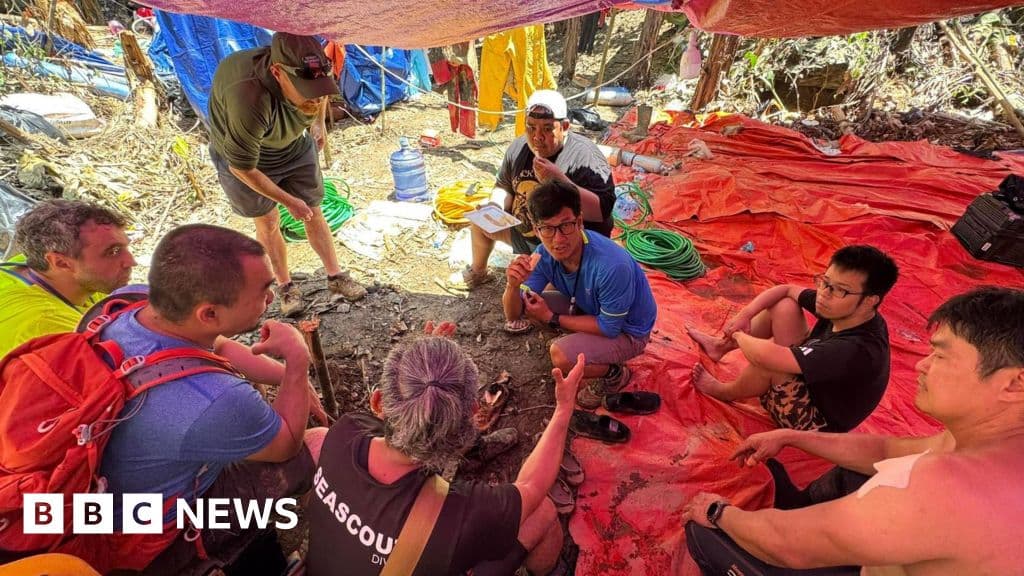
Survivors of the Laos cave rescue are aiding efforts to find the last two missing men trapped inside, sharing crucial insights for the search operation.
BBC World
A year after the tragic Air India crash, the Ali family reflects on grief, unanswered questions, and the enduring bonds of love in the face of loss.
BBC Business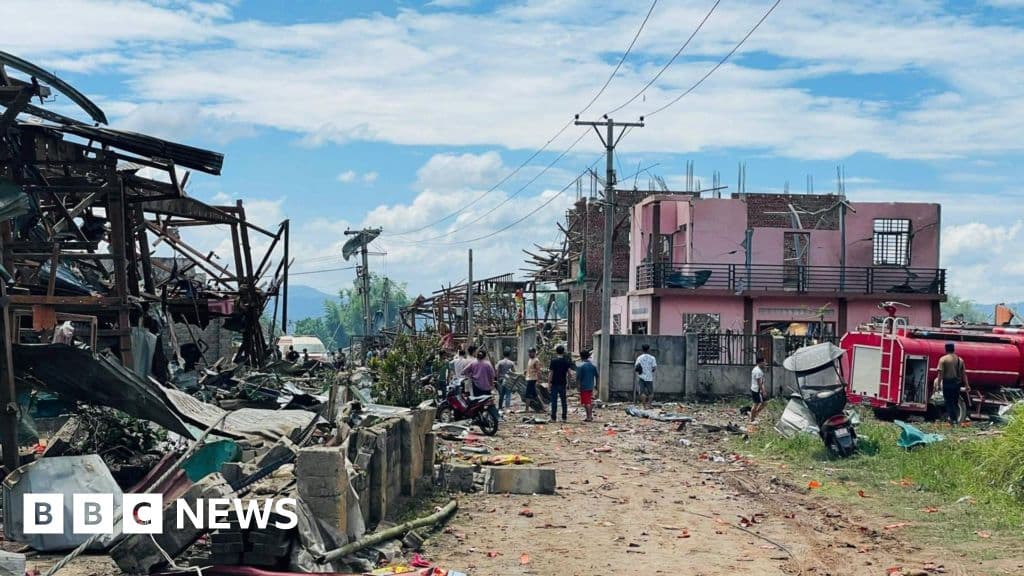
A devastating explosion in Myanmar's Kaung Tat village has killed at least 55 people, raising serious safety concerns and questions about civilian protection in conflict zones.
BBC World