

Image: Mint (Business)
Air India and IndiGo cancel flights due to UAE restrictions amid escalating Middle East tensions. Stay updated on flight statuses before travel.
GlipzoIn a significant development affecting air travel, Air India and IndiGo have announced cancellations of multiple flights scheduled for March 15, primarily targeting destinations in the United Arab Emirates (UAE). These disruptions come amid escalating tensions in the Middle East, particularly related to conflicts involving the United States, Israel, and Iran. The evolving geopolitical situation has prompted authorities in the UAE to impose restrictions on air travel, leading to the cancellation of several flights by major airlines.
Air India and its low-cost subsidiary, Air India Express, have been forced to cancel most of their scheduled flights to and from Dubai, citing direct instructions from UAE airport authorities. This decision reflects a broader trend of airlines adjusting their operations in response to real-time geopolitical developments.
India's largest airline by market capitalization, IndiGo, has also suspended flights to and from Dubai due to the ongoing airspace restrictions. In a recent post on X (formerly Twitter), IndiGo advised passengers to verify their flight statuses on its official website before proceeding to the airport. The airline noted that the current tensions have led to increased operational challenges, prompting a need for flight schedule adjustments.
In an official update, Air India confirmed that it will operate only one return flight on the Delhi–Dubai route on March 15, cutting back on the originally planned five flights. Similarly, Air India Express will operate just one return flight for the same route, canceling five out of six scheduled flights to Dubai. Flights to Abu Dhabi have been completely canceled for the day, while operations to Sharjah will continue as planned.
The ongoing conflict in the Middle East has not only affected these airlines but also has broader implications for international travel. As tensions rise, airlines worldwide are being forced to closely monitor the situation, making real-time adjustments to their flight schedules. This dynamic environment means that travelers should remain vigilant and proactive in checking flight statuses and any potential changes.
Airlines around the globe are likely to continue reassessing their operations in response to airport directives and geopolitical developments. Passengers planning to travel to or from the Middle East in the coming weeks should stay informed about any changes that might affect their travel plans.
The cancellation of flights between India and the UAE—a crucial travel corridor—highlights the significant impact that geopolitical tensions can have on global travel. The UAE serves as a major transit hub for travelers from India to various destinations, and disruptions here can lead to a ripple effect on international travel schedules.
Moreover, these developments underscore the need for travelers to remain flexible and prepared for sudden changes in their travel plans, especially during times of heightened international tensions.
As the situation continues to evolve, passengers and airlines alike will need to stay alert. Here are key points to consider in the coming days:
In conclusion, the current disruptions in flights between India and West Asian regions reflect the complex relationship between geopolitical events and air travel logistics. The situation remains fluid, and travelers are advised to stay informed as they navigate their travel plans amidst these changes.
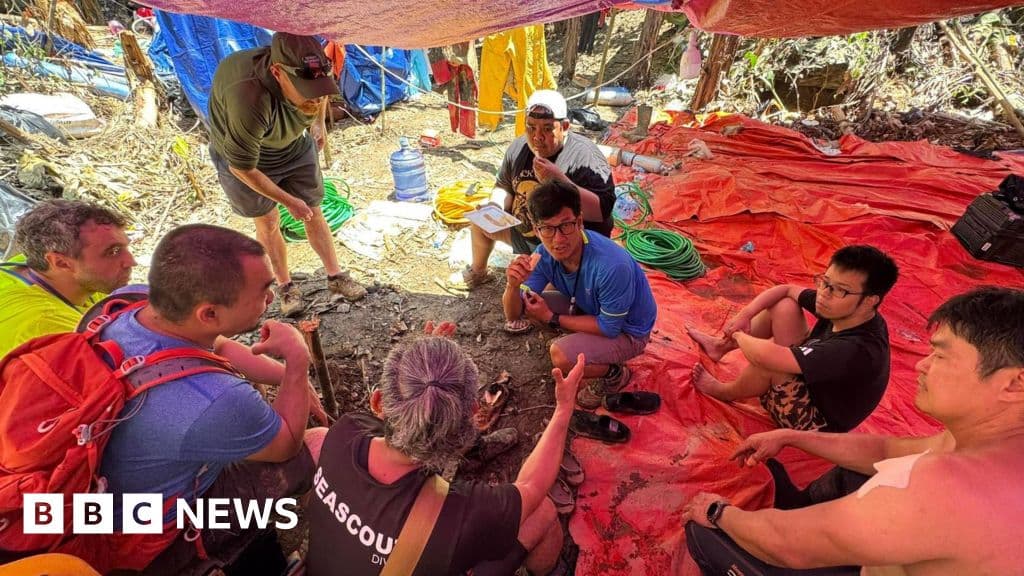
Survivors of the Laos cave rescue are aiding efforts to find the last two missing men trapped inside, sharing crucial insights for the search operation.
BBC World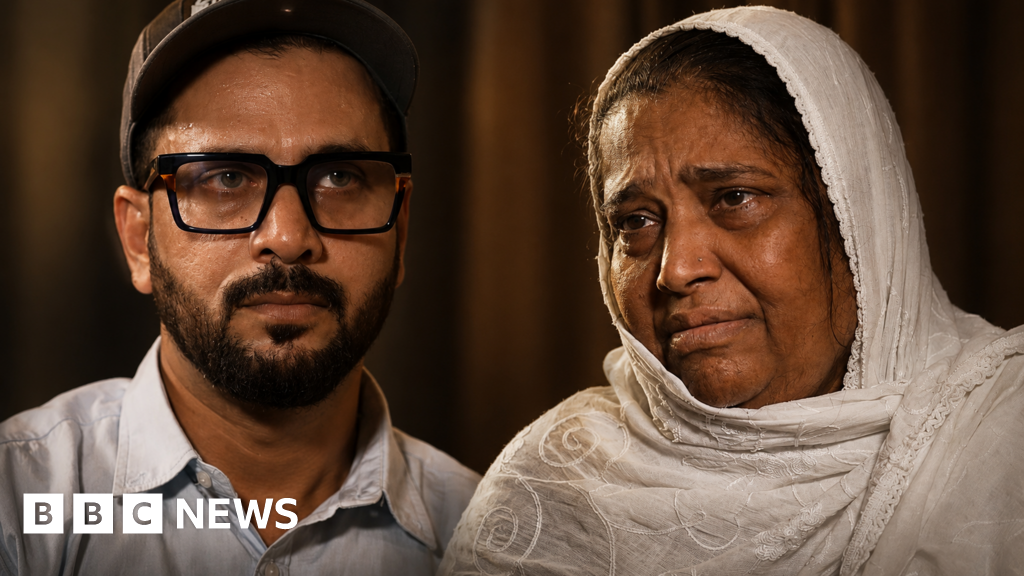
A year after the tragic Air India crash, the Ali family reflects on grief, unanswered questions, and the enduring bonds of love in the face of loss.
BBC Business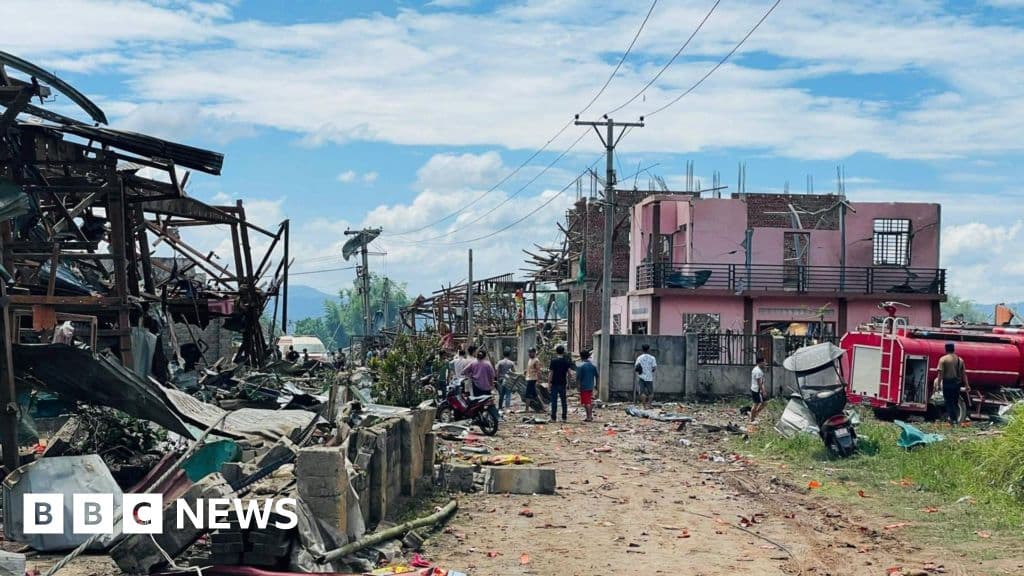
A devastating explosion in Myanmar's Kaung Tat village has killed at least 55 people, raising serious safety concerns and questions about civilian protection in conflict zones.
BBC World