
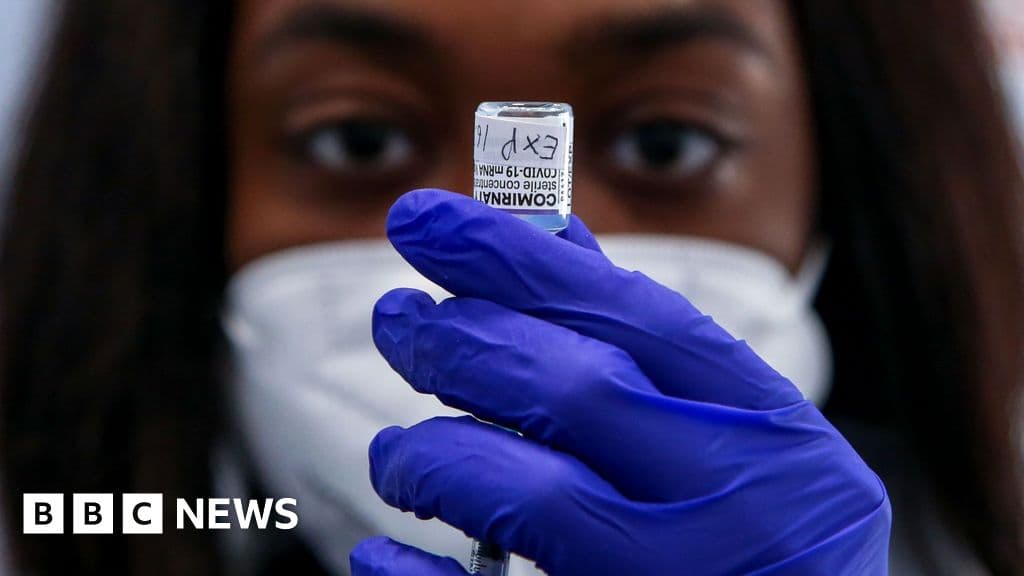
Image: BBC Health
Explore the critical findings from the Covid inquiry report, revealing the success of vaccines and the urgent need to rebuild public trust.
GlipzoIn a historic feat, vaccines that typically take years to develop were created and made available within months, without compromising safety or regulatory standards. The report states that over 130 million doses were administered within a year, successfully immunizing more than 90% of individuals aged 12 and older. This rapid deployment is described as a demonstration of the best qualities of the UK's health and scientific systems.
To enhance vaccine uptake, innovative strategies were employed, including pop-up clinics set up in community centers and places of worship. The collaboration between the NHS, government, and local community leaders proved crucial in addressing vaccine hesitancy, especially within vulnerable populations. However, these achievements come with caveats that require urgent attention.
The inquiry points out that distrust in authorities, particularly among certain communities—such as ethnic minorities and those in economically deprived areas—has compounded these issues. The report underscores the necessity of addressing both misinformation and distrust to improve vaccine acceptance moving forward.
Interestingly, the inquiry also critiques the government's policies aimed at mandating vaccinations for specific groups, including care workers. In June 2021, a mandate was introduced requiring care home workers in England to be vaccinated, which was later proposed to extend to all health and care staff. However, this policy was ultimately rescinded before implementation, as evidence emerged that the vaccine's effectiveness in preventing infections was limited. Instead, the primary benefit was in protecting vaccinated individuals from severe illness.
While the report acknowledges that long-term health complications from Covid vaccines are rare, it does highlight that some individuals have experienced serious injuries or even death following vaccination. In light of this, the inquiry emphasizes the importance of supporting those affected, especially since the public was encouraged to get vaccinated not only for personal protection but also to safeguard others.
Currently, over 20,000 individuals have filed claims under the Vaccine Damage Payment Scheme, a government initiative designed to provide financial support to those harmed by vaccines. Alarmingly, only about 1% of these claims have resulted in the maximum tax-free award of £120,000. The report urgently calls for reforms to this scheme, noting that the existing criteria require claimants to prove at least 60% disability, a standard that does not effectively address the unique circumstances surrounding Covid vaccines.
Although the report primarily focuses on vaccines, it is essential to recognize the UK's significant contributions in identifying effective treatments for Covid-19. For instance, the deployment of dexamethasone, a low-cost steroid, illustrates how UK researchers quickly found solutions to combat severe Covid symptoms, leading to its use in hospitals by June 2020, shortly after clinical trial results were released.
Furthermore, as the world continues to navigate the ongoing impacts of the pandemic, a renewed commitment to transparency, community engagement, and public education will be vital in ensuring the success of future vaccination efforts. The lessons learned from this inquiry could shape public health policies for years to come, making it imperative to act on these recommendations promptly.

Shocking findings from Nottingham's maternity unit reveal a toxic culture and alarming neglect. What can be done to improve care? Discover the details.
BBC Health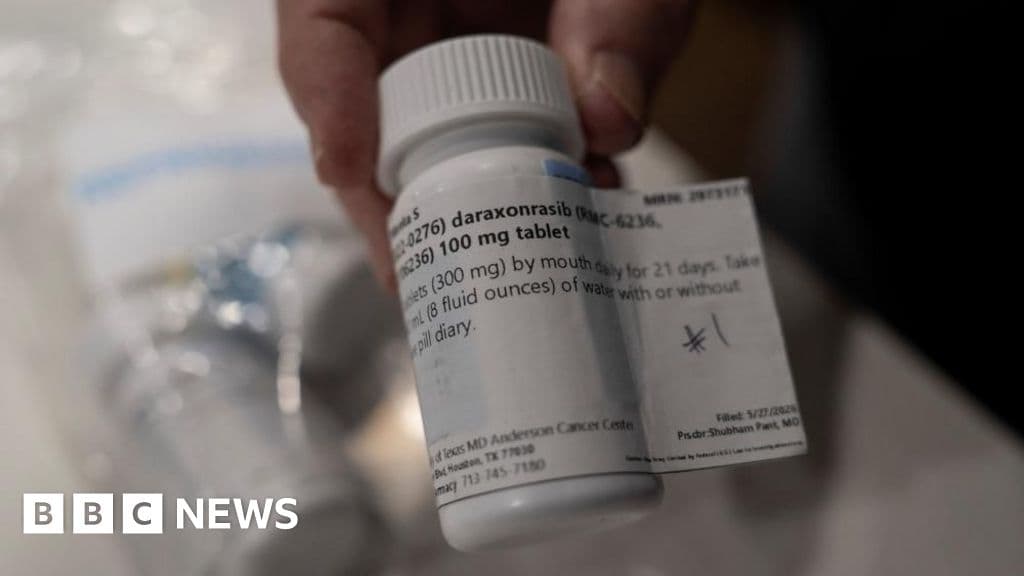
Discover how daraxonrasib, a new pill, is nearly doubling survival rates for pancreatic cancer patients, offering hope in a challenging battle against this deadly disease.
BBC Health
Waste companies propose a £5 deposit on vapes to encourage proper disposal and curb littering as the environmental impact of vapes increases.
BBC Business