
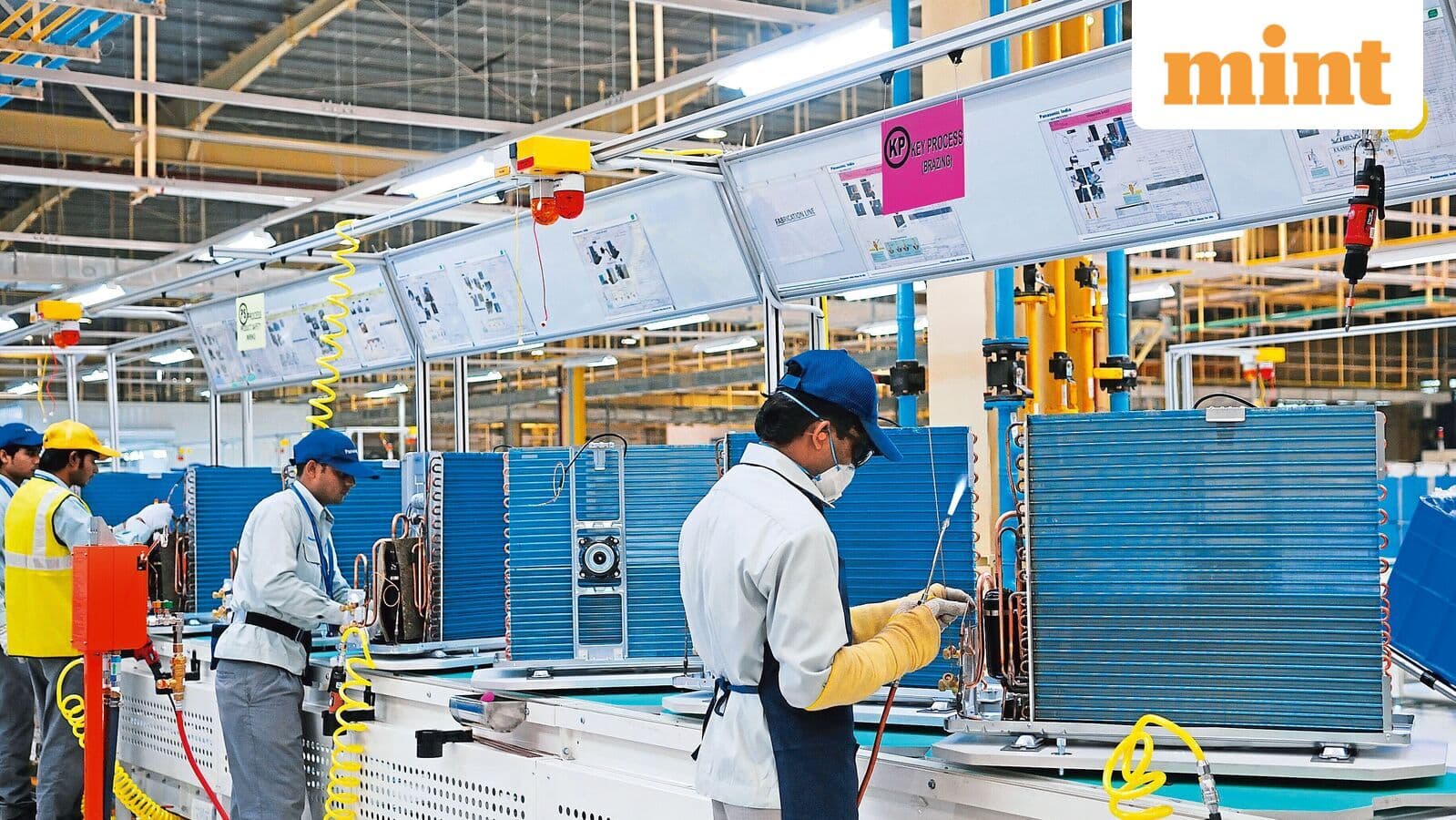
Image: Mint (Business)
Discover how India's revamped MSME credit scheme boosts service sector access and supports exporters, paving the way for economic growth.
GlipzoIn a significant move aimed at bolstering the economic landscape for small businesses, the Indian government announced on Saturday a series of pivotal revisions to the Mutual Credit Guarantee Scheme for MSMEs (MCGS–MSME). This update not only broadens the scheme's reach beyond traditional manufacturing sectors but also facilitates easier access to collateral-free credit for firms across the country.
The announcement was made public via a statement from the Ministry of Finance, highlighting the government's commitment to enhancing the financial capabilities of micro, small, and medium enterprises (MSMEs). The recent changes reflect a strategic approach to support diverse business sectors, particularly the service industry, which has long been underrepresented in similar financial initiatives.
One of the most notable adjustments in the revised scheme is the inclusion of service-sector MSMEs, allowing these businesses to benefit from the same financial guarantees previously available only to manufacturers. Additionally, the scheme has reduced the minimum requirement for machinery or equipment costs from 75% to 60% of the total project cost, making it more accessible for smaller enterprises to qualify for funding.
Loan Limits and Guarantees - Loans up to ₹100 crore will continue to receive 60% guarantee coverage from the National Credit Guarantee Trustee Company Limited (NCGTC). - The upfront contribution, previously non-refundable at 5%, will now be partially refundable starting from the fourth year. - The maximum guarantee tenure remains capped at 10 years.
Aimed at exporters, the revised scheme introduces provisions specifically designed for profitable MSMEs with significant export activities. Firms that can demonstrate at least 25% export turnover over the last three financial years are now eligible to borrow up to ₹20 crore with 75% guarantee coverage. The upfront contribution for these businesses is set at 2%, with a cap of ₹40 lakh, and includes partial refunds in subsequent years. Moreover, guarantee fees will be waived for the first year and fixed at 0.50% annually thereafter.
The modifications to the MCGS-MSME scheme have been met with enthusiasm from industry leaders. Vinod Kumar, the president of the India SME Forum, hailed these reforms as a game-changer for small businesses seeking collateral-free credit. He emphasized that the changes address long-standing concerns within the industry, particularly regarding entry thresholds and export incentives, and will help MSMEs scale up operations amid India's growing global trade ambitions driven by Free Trade Agreements (FTAs).
The government's push to support MSMEs is crucial, as these enterprises play a vital role in the Indian economy, contributing approximately 30% to the GDP, over 45% of exports, and employing more than 350 million workers. The finance ministry expressed optimism that these modifications would significantly enhance manufacturing capabilities, spur exports, and create new job opportunities, thereby aligning with the ambitious vision of “Viksit Bharat 2047”.
The expansion of the MCGS-MSME scheme is not just a financial adjustment; it represents a critical step towards revitalizing India's economic framework. By broadening the scope of support to encompass service sectors and lowering entry barriers, the government is enabling a more inclusive growth model for MSMEs. This initiative is expected to drive innovation, enhance competitiveness, and ultimately contribute to the nation's economic resilience.
The focus on export-driven growth is particularly significant, as it aligns with India’s objective to increase its presence in global markets. As the world economy shifts, empowering MSMEs to engage more robustly in international trade will help mitigate risks associated with domestic market fluctuations.
As the revisions to the MCGS-MSME scheme take effect, stakeholders across various sectors will be watching closely to assess their impact. Key areas to monitor include: - Adoption Rates: How quickly service-sector MSMEs embrace these changes and access collateral-free credit. - Financial Performance: The effect of increased funding on the growth and profitability of MSMEs, particularly those involved in exports. - Job Creation: Monitoring employment trends to ensure that the anticipated job growth materializes as a result of these financial enhancements. - Global Trade Dynamics: Observing how improved MSME capabilities influence India’s export landscape, especially in light of ongoing global trade negotiations.
In conclusion, the revisions to the MCGS-MSME scheme mark a pivotal moment for India's small businesses. With the right support and engagement, these enterprises have the potential to drive significant economic growth and innovation in the years to come.
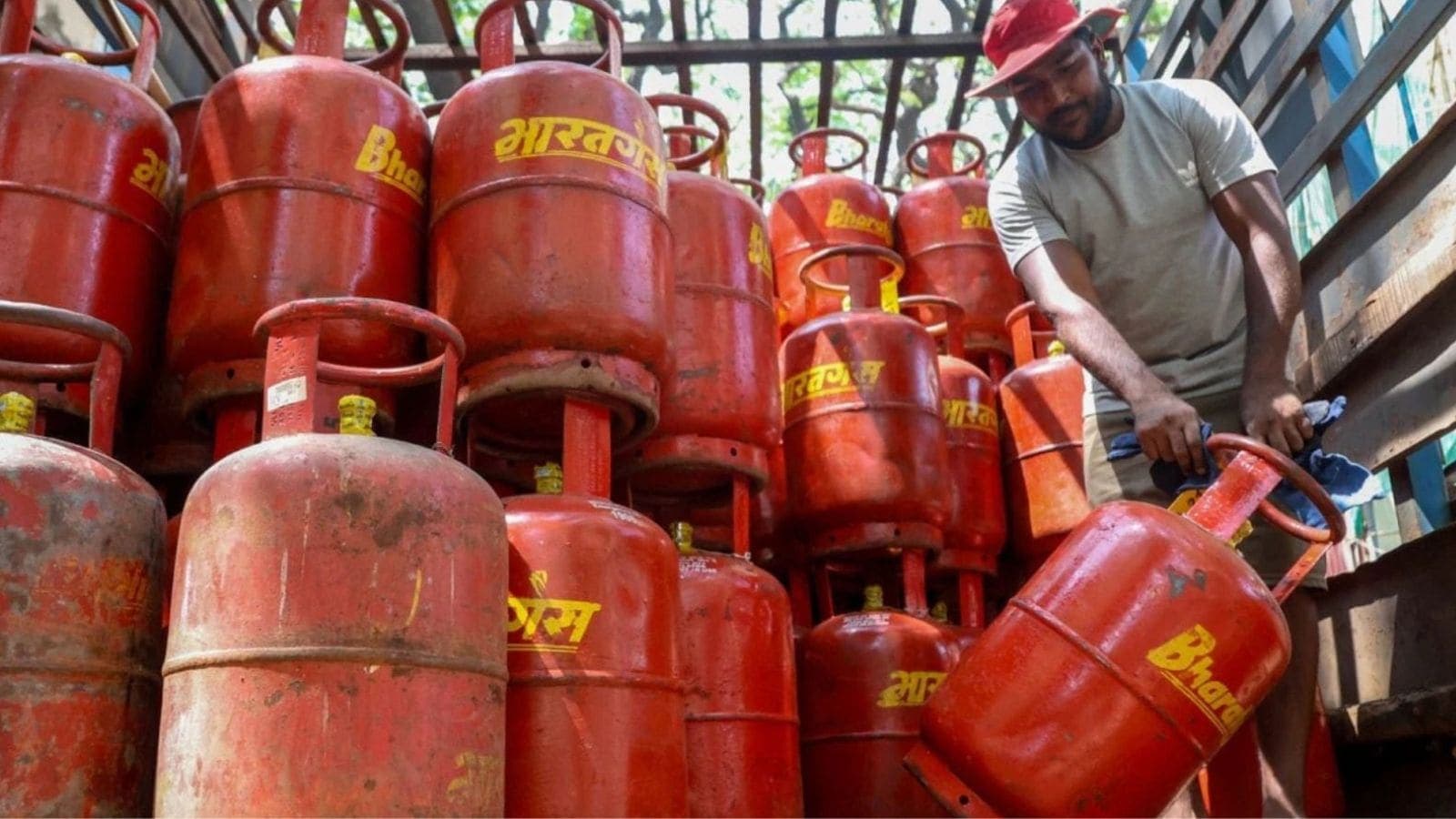
Commercial LPG prices have risen again, with increases of ₹42 in Delhi and ₹53.50 in Kolkata impacting businesses and consumers alike. Find out more.
Indian Express
Discover how a tragic coal mine explosion in Shanxi, China, reveals ongoing safety concerns in the industry amidst a push for green energy.
BBC Business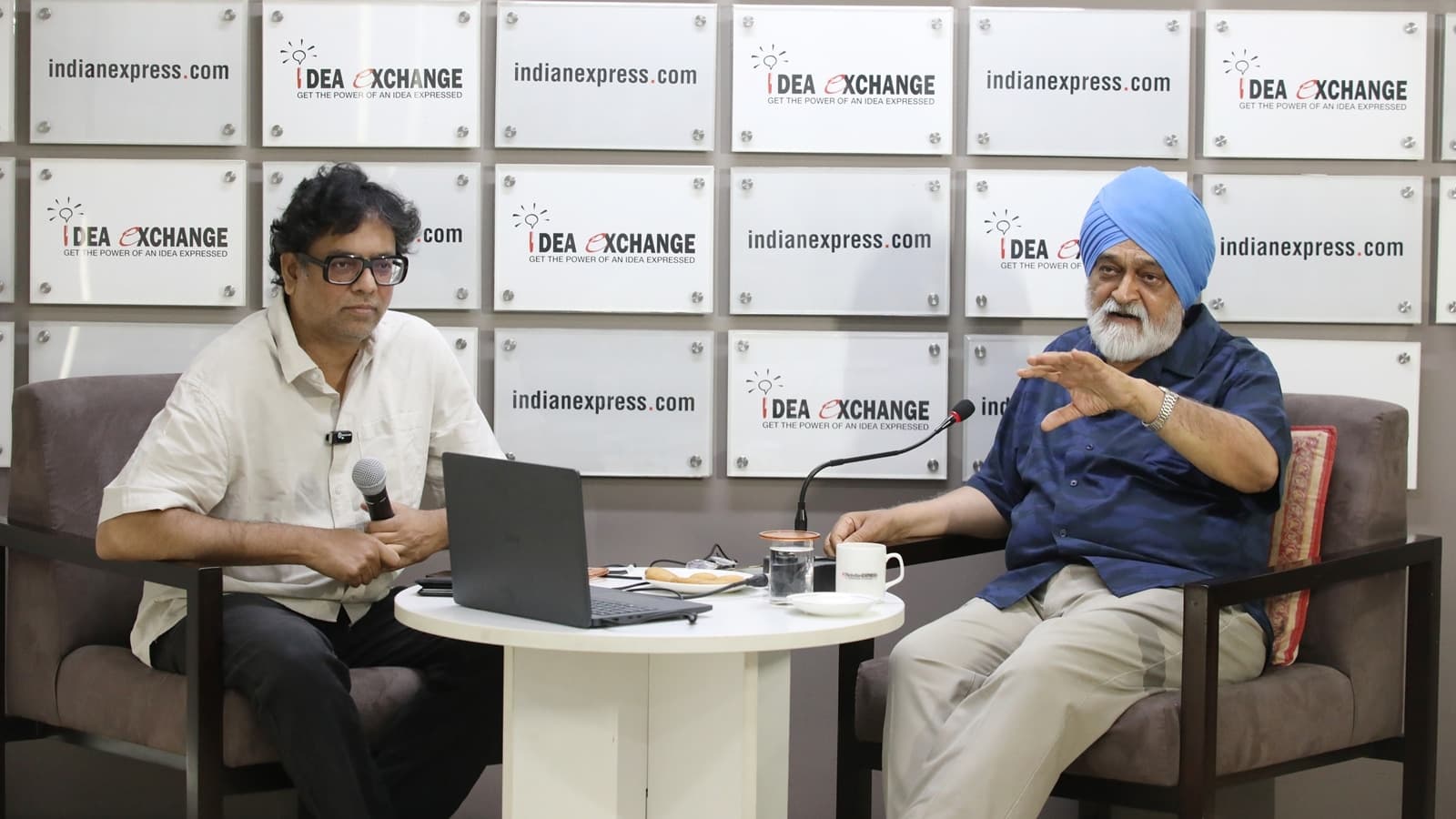
Montek Singh Ahluwalia highlights key economic challenges for India, emphasizing the need for a strategic approach to balance payments and investment.
Indian Express