
Image: BBC World
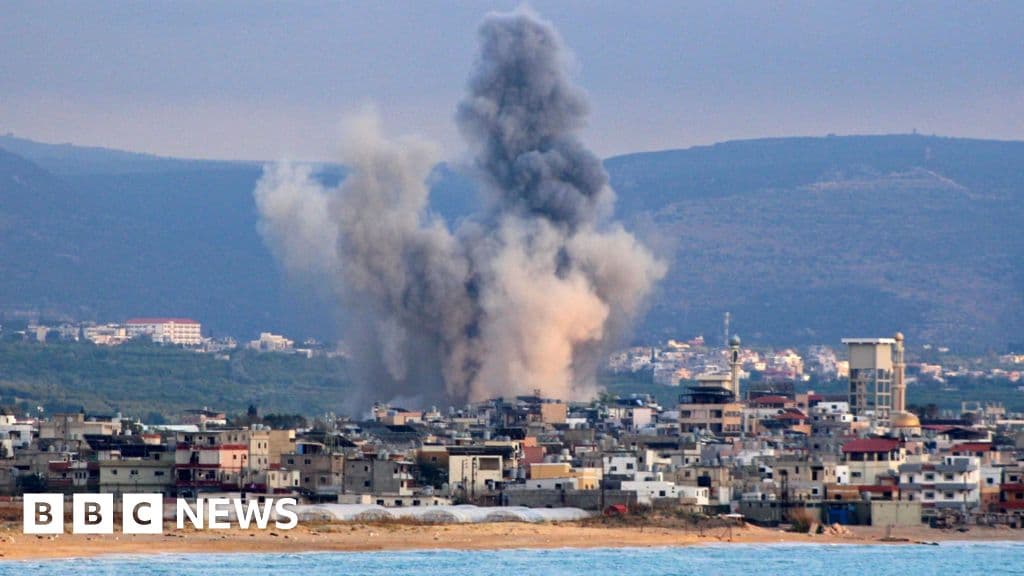
Military tensions rise as Israel issues evacuation orders in southern Lebanon, escalating fears of conflict and humanitarian crises. Click to learn more.
GlipzoIn a significant escalation of tensions in the region, the Israeli military has issued evacuation orders for vast areas of southern Lebanon, identifying them as "combat zones." This directive comes ahead of anticipated military operations targeting Hezbollah. Residents are urged to relocate north of the Zahrani River, approximately 25 miles from the border, as the Israel Defense Forces (IDF) prepare to take action with "extreme force." As of now, this evacuation order represents the largest since the ceasefire began on April 17, impacting about 14% of Lebanese territory.
The recent series of events includes airstrikes on the southern city of Tyre and ongoing clashes between Hezbollah fighters and Israeli troops. The escalation follows a statement from Israeli Prime Minister Benjamin Netanyahu, who announced an expansion of ground operations in response to recent drone attacks carried out by Hezbollah against both Israeli soldiers in southern Lebanon and civilians in northern Israel.
Within the past 24 hours, the IDF has issued nine evacuation warnings, escalating fears of a significant confrontation along the Israel-Lebanon border. The order concerning Tyre, one of southern Lebanon's largest cities, was promptly followed by airstrikes that left residents in shock. Many were seen filming the destruction from their balconies as Israeli forces launched attacks on the city.
Rida, a 52-year-old cafe owner whose establishment was destroyed in a previous airstrike, expressed his deepening concerns about the situation. Unlike his previous resolve to stay in Tyre, he noted that fear has gripped the community. "I went to the port next to the beach and a lot of people are there. People packed up their stuff. Everyone is scared," he shared, highlighting the urgent need for safety among residents.
The evacuation order specifically affects 300 towns and villages south of the Zahrani River. Many of these areas are already home to individuals displaced from prior conflicts, leaving them without clear alternatives for relocation. Humanitarian officials have pointed out that Sidon, located south of the capital Beirut, is struggling to accommodate the increasing number of displaced families. Civilians are being directed toward the Beqaa Valley and Mount Lebanon for potential refuge.
On the same day, reports emerged of extensive Israeli airstrikes across southern Lebanon and the eastern Bekaa Valley, resulting in the deaths of four individuals in the towns of Choukine and Nabatieh. This wave of violence follows a harrowing 24-hour period in which over 150 Israeli airstrikes targeted roughly 50 towns and villages in southern Lebanon and the Bekaa Valley. The Lebanese health ministry reported a grim toll of at least 31 fatalities on Tuesday, with 15 casualties occurring in Burj al-Shamali, located east of Tyre.
Hezbollah has claimed that its fighters engaged in intense clashes with Israeli forces in Zawtar al-Sharqiyeh, situated north of the Litani River and around 19 miles from the border. This area is outside the Israeli-declared safety buffer zone, raising concerns about further military escalation.
During a cabinet meeting on Tuesday evening, Prime Minister Netanyahu indicated that Israeli troops would be "deepening" their operations beyond their current foothold in southern Lebanon, which spans around 10 km from the border in certain areas. "We are fortifying the security zone to protect the communities of the north [of Israel]," he emphasized, underscoring Israel's commitment to its security amidst ongoing hostilities.
Amid these military developments, Israeli officials have accused Hezbollah of violating the temporary ceasefire agreement established between the Israeli and Lebanese governments, which has been extended twice since its inception last month. Conversely, Lebanese authorities have highlighted the Israeli strikes as breaches of the ceasefire.
This rising tide of violence poses a significant risk to ongoing diplomatic discussions aimed at resolving the conflict between the U.S., Israel, and Iran. Iran has made it clear that any potential agreement must encompass Lebanon in its terms. Meanwhile, Israel maintains that it retains the right to neutralize threats posed by Hezbollah.
Lebanon's involvement in the conflict dates back to March 2, when Hezbollah retaliated against an Israeli strike that killed Iran's supreme leader by launching rockets into Israeli territory. This sequence of events has only intensified the urgency for a sustainable resolution.
As the situation continues to evolve, the international community watches closely. The potential for a large-scale military confrontation looms over the region, with humanitarian implications that could lead to even greater displacement and suffering. Aid organizations are mobilizing to respond to the crisis, but the challenges of a growing influx of displaced individuals complicate the situation further.
In the coming days, all eyes will be on Israel's military actions and Hezbollah's responses. The possibility of renewed hostilities could reshape the landscape of not only Israel-Lebanon relations but also broader geopolitical dynamics involving regional powers.
The ongoing conflict in southern Lebanon is not just a localized issue; it has far-reaching implications for regional stability, humanitarian conditions, and international diplomatic efforts. Understanding the complexity of these developments is crucial as they unfold.
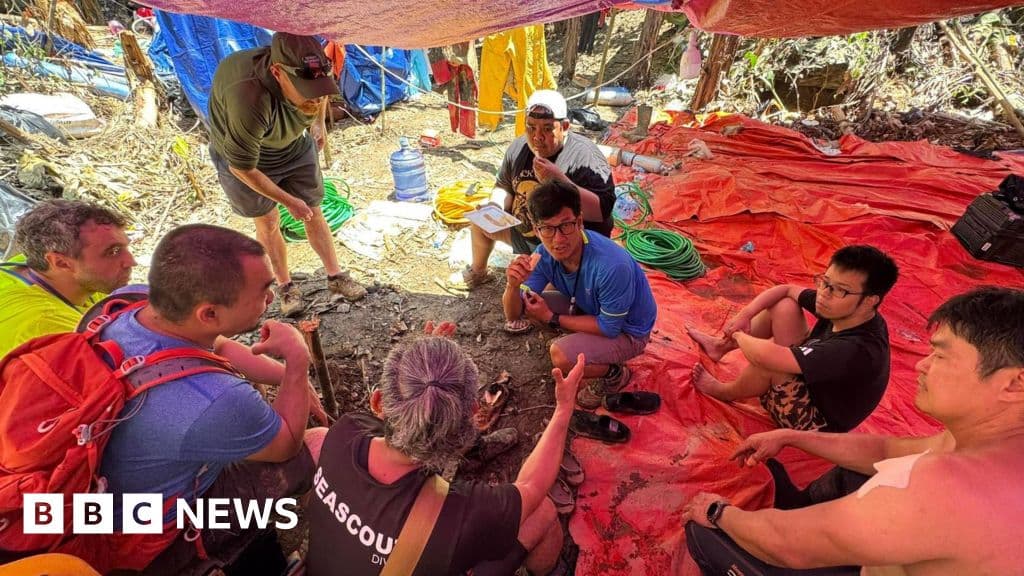
Survivors of the Laos cave rescue are aiding efforts to find the last two missing men trapped inside, sharing crucial insights for the search operation.
BBC World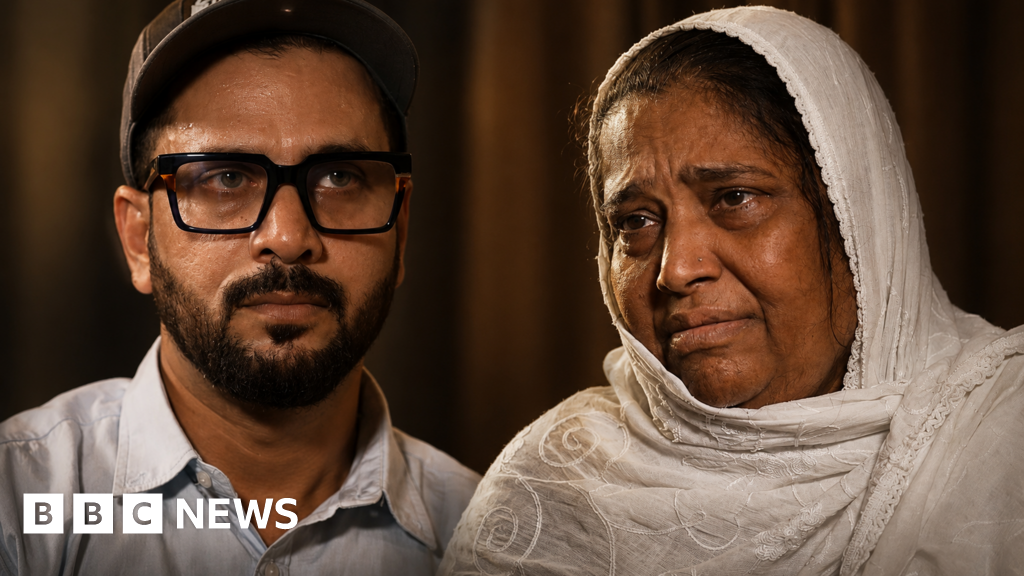
A year after the tragic Air India crash, the Ali family reflects on grief, unanswered questions, and the enduring bonds of love in the face of loss.
BBC Business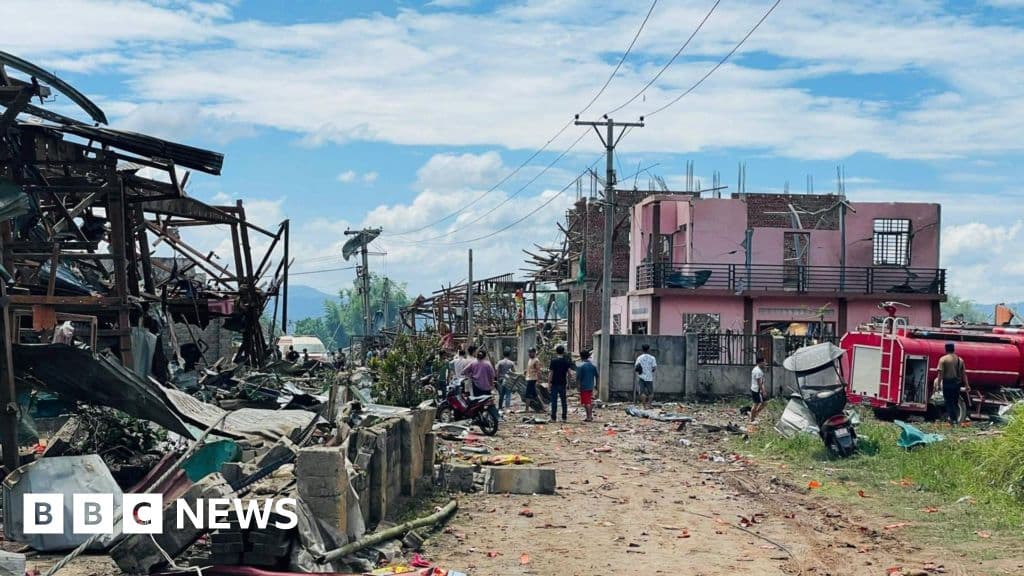
A devastating explosion in Myanmar's Kaung Tat village has killed at least 55 people, raising serious safety concerns and questions about civilian protection in conflict zones.
BBC World