

Image: The Hindu
Iran escalates tensions in the Gulf after missile strikes on Qatar's gas facilities, threatening retaliation against U.S. and Israel. What's next?
GlipzoTensions in the Middle East have reached a boiling point following Iran's missile attack on Qatar’s Ras Laffan Industrial City, the world's largest natural gas hub, on March 10, 2026. The Iranian Revolutionary Guards have issued stark warnings to neighboring Gulf nations, vowing to “completely destroy” their oil and gas industries if further strikes from Israel or the United States occur. This escalation comes in the wake of the assassination of Iran's Intelligence Minister, Esmail Khatib, which has heightened fears of a broader conflict in the region.
Iran's Defense Ministry confirmed that the missile strikes caused significant damage to the gas facility, which is critical not only for Qatar but for global energy markets. The attack has raised alarms about energy stability in the region, as Iran’s military response suggests a willingness to engage in a more extensive conflict to protect its interests. President Masoud Pezeshkian warned of “uncontrollable consequences” if attacks on Iranian energy infrastructure continue.
The backdrop of this crisis is the ongoing conflict between Israel and Iran, which has intensified following Israeli airstrikes on Iranian installations. The Israeli Defense Minister, Israel Katz, hinted at “significant surprises” in retaliation for the killing of Khatib, suggesting that Israel is prepared to escalate its military operations in the region. This cycle of violence raises serious concerns about the potential for widespread instability in the Gulf region, particularly given the strategic importance of energy resources.
The United Arab Emirates and Qatar have condemned the Israeli attacks on Iran's gas facilities, emphasizing the need for restraint and dialogue. Their statements highlight the precarious balance of power in the region, where the stakes are exceptionally high for national security and economic stability. The situation is further complicated by the involvement of the United States, whose military actions are perceived as provocative by Iran.
Amidst this escalating conflict, Joe Kent, a former counterterrorism director, revealed insights into the decision-making processes within the Trump administration regarding military actions against Iran. Speaking on Tucker Carlson's show, Kent expressed his concerns that key officials were not permitted to voice their doubts about the military strategy being employed. He claimed that President Trump relied on a limited circle of advisors, leading to a lack of thorough debate around the potential consequences of military strikes.
Kent's comments underscore the contentious nature of the U.S. administration's approach to Iran, raising questions about the influence of external pressures on U.S. foreign policy. His perspective suggests that a significant faction within the government was wary of escalating military actions, hinting at potential divisions within Trump's political base, which could have implications for future U.S.-Iran relations.
As military operations intensify, the toll on civilians, particularly children, cannot be overlooked. Data indicates that Israel and the United States have been responsible for a considerable number of external attacks resulting in child fatalities since 1996, raising serious concerns among humanitarian organizations, including the United Nations. With tensions escalating, the civilian population in conflict zones continues to suffer the most dire consequences, highlighting the urgent need for diplomatic efforts to de-escalate the situation.
The Iranian missile attack on Qatar's gas facility has been labeled a “direct threat” to the nation’s security, prompting calls for reevaluation of defense strategies among Gulf allies. The regional dynamics are shifting rapidly, with Iran showing a willingness to assert itself militarily in response to perceived threats.
As the situation unfolds, several key developments are expected to shape the future of U.S.-Iran relations and the broader geopolitical landscape in the Gulf. Observers will be monitoring:
In summary, the current situation in the Middle East illustrates the fragility of peace and stability in a region marked by historical conflicts and rivalries. As both sides prepare for potential further military actions, the risk of a larger conflict looms large, making it imperative for all parties involved to seek peaceful resolutions before it’s too late.
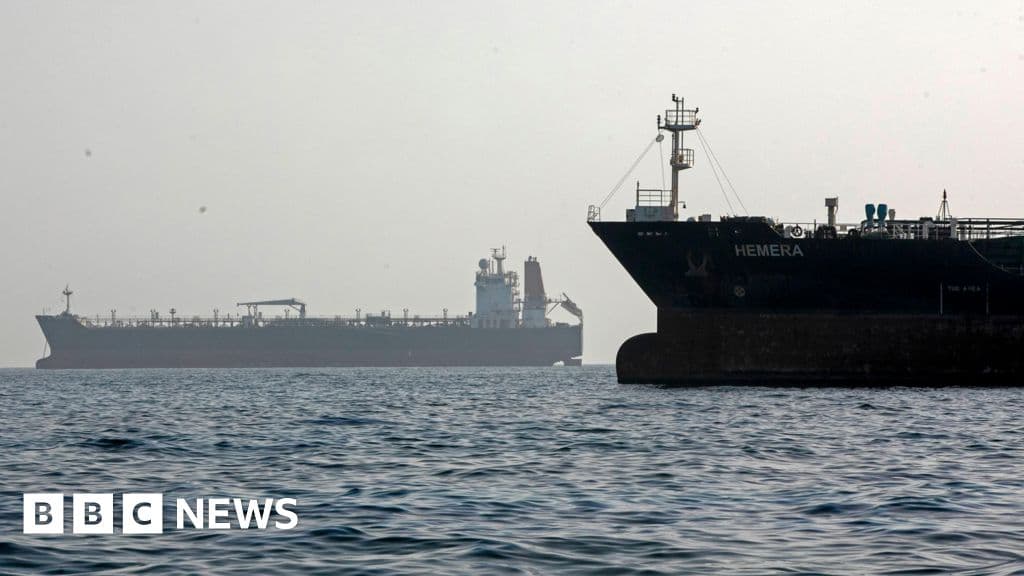
Tensions soar as the US and Iran engage in air strikes near the Strait of Hormuz, raising concerns over global oil supply and regional stability.
BBC World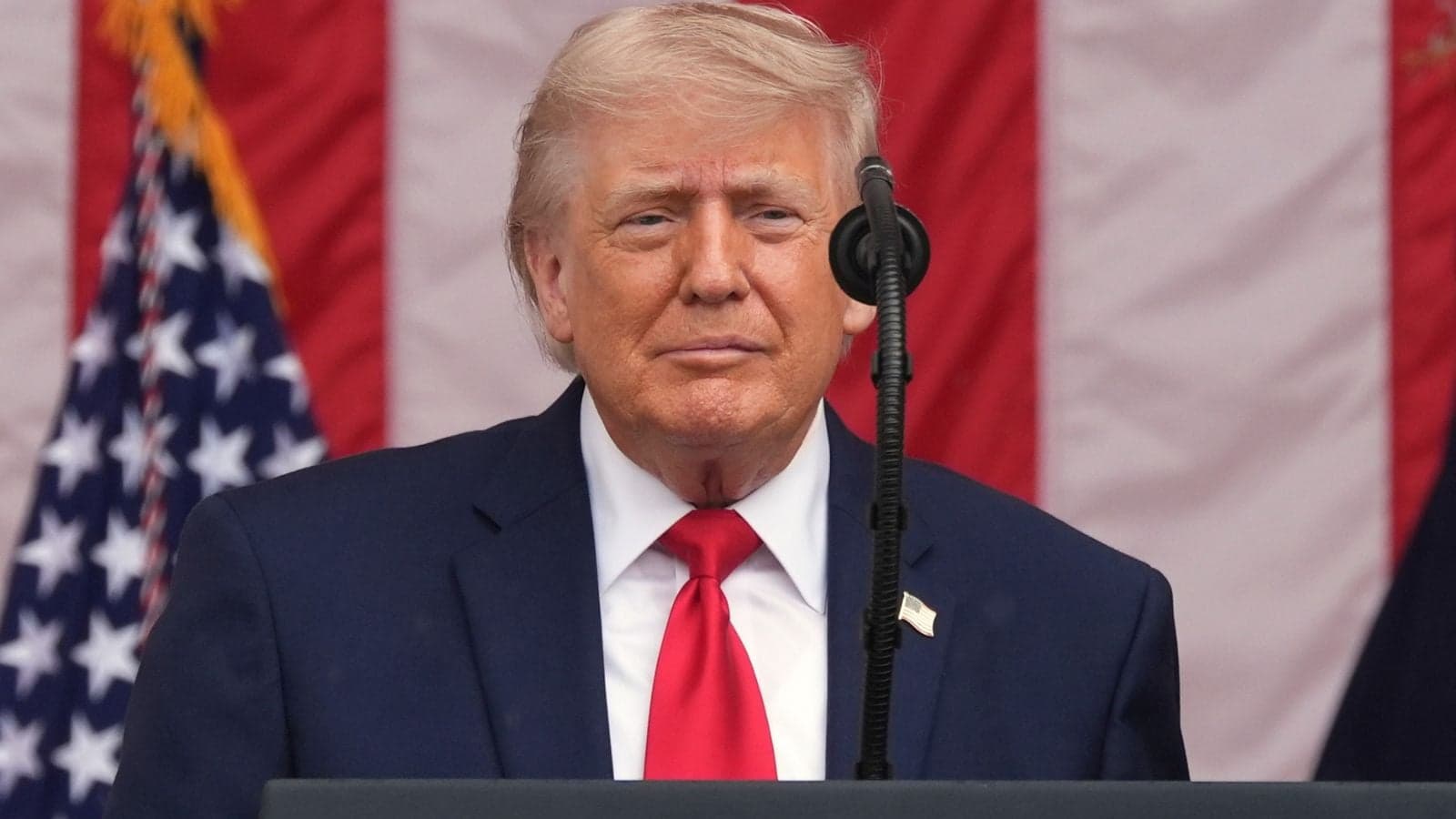
Trump's international interventions face serious stalemates. What will this mean for U.S. foreign policy? Explore the critical challenges ahead.
Indian Express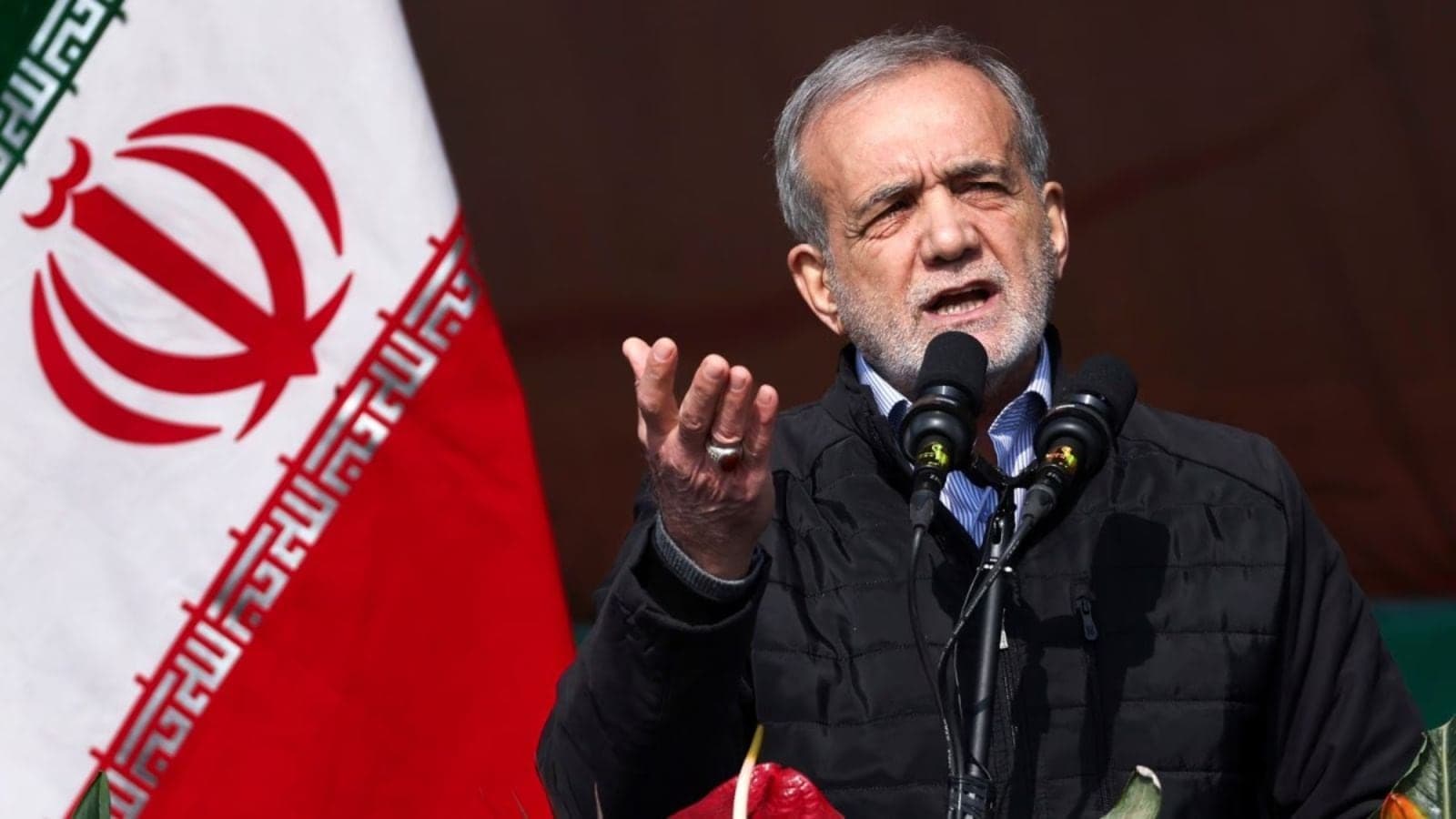
Tehran denies resignation of President Masoud Pezeshkian amid claims of IRGC influence. What does this mean for Iran's political stability? Click to learn more!
Indian Express