
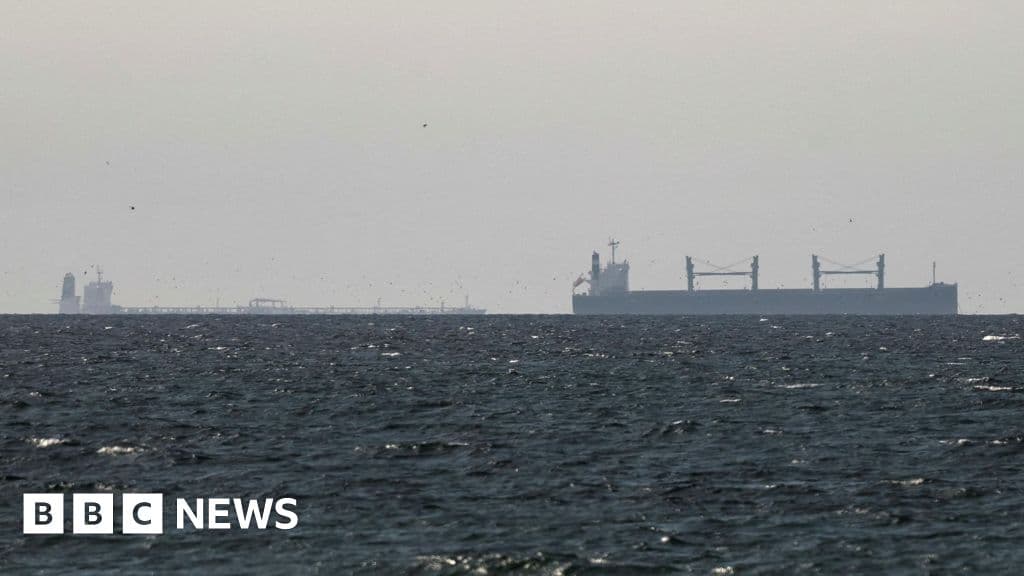
Image: BBC World
Iran has once again closed the Strait of Hormuz to commercial vessels, raising global tensions and impacting oil prices dramatically.
GlipzoTensions in the Middle East have reached a boiling point as Iran has announced the closure of the Strait of Hormuz to commercial vessels, a critical global shipping route. This decision was made following reported attacks on vessels in or near the strait, including a tanker, that occurred on Saturday. The Islamic Revolutionary Guard Corps (IRGC) issued a stern warning that any ship approaching the strait would face targeting, intensifying the already fraught situation in the region.
The Strait of Hormuz is a vital maritime passage that accounts for approximately 20% of the world’s oil and liquefied natural gas (LNG) shipments. Given its significance, the closure of this waterway could have dire implications for global energy prices, which have already seen fluctuations due to ongoing conflicts. The IRGC’s recent closure order follows a series of escalatory moves, including a U.S. blockade that the IRGC claims is crippling Iran’s economy.
Iran’s foreign minister had just announced a temporary reopening of the strait, which now seems to be reversed. President Donald Trump remarked that Iran cannot manipulate the U.S. through threats regarding this crucial shipping lane, emphasizing a firm stance against Tehran’s actions.
This recent escalation not only affects shipping routes but also poses significant risks to global energy markets. The price of oil has surged above $100 per barrel in response to these developments, highlighting the potential for economic repercussions worldwide. The IRGC's assertion that any ship approaching the strait will be treated as an enemy vessel raises concerns about broader military engagements in the region.
With the international community watching closely, responses to Iran's actions are varied. Some nations are calling for restraint, while others are supporting the U.S. stance against Iranian aggression. The U.S. State Department has reported that 23 ships have been turned away since the enforcement of the blockade on April 13, signaling a significant shift in maritime operations in the region.
The situation in the Strait of Hormuz remains precarious as Iran’s closure of the strait escalates tensions in an already strained geopolitical landscape. With the potential for significant economic ramifications and military confrontations, the coming days will be critical in determining whether this conflict can be de-escalated through diplomacy or if it will spiral into further violence.
As the world watches, the focus will remain on the actions of both Iran and the U.S., along with the responses from other nations that depend on the stability of this crucial maritime corridor.

Tensions soar as the US and Iran engage in air strikes near the Strait of Hormuz, raising concerns over global oil supply and regional stability.
BBC World
Trump's international interventions face serious stalemates. What will this mean for U.S. foreign policy? Explore the critical challenges ahead.
Indian Express
Tehran denies resignation of President Masoud Pezeshkian amid claims of IRGC influence. What does this mean for Iran's political stability? Click to learn more!
Indian Express