

Image: Indian Express
Discover why Asia needs a united energy security alliance in light of the Hormuz disruption, and how the proposed AECC could reshape the region's energy landscape.
GlipzoThe IEA, established in the aftermath of the Yom Kippur War, was created to help member nations navigate similar crises in the future. Today, as we face potential energy shortages and economic instability, the need for a collaborative approach among Asian nations has never been more pressing. In this context, India is positioned to take the lead in forming an Asian Energy Collaborative Compact (AECC).
The recent closure of the Strait of Hormuz has revealed the vulnerabilities that Asian oil-dependent nations face. With approximately 13 million barrels of petroleum trapped in the strait—85% of which is destined for Asian markets—countries like the Philippines, Japan, and India are grappling with energy crises. The Philippines has declared a national energy emergency, while Japan has reduced ferry and bus operations. Meanwhile, India has imposed restrictions on LPG supply, and China is curtailing domestic consumption despite some relief from alternative supplies.
Consider the implications if alternative chokepoints were to be obstructed: - Strait of Malacca: Essential for 60% of seaborne trade to and from East Asia. - Taiwan Strait and South China Sea: Crucial for global merchandise traffic.
These scenarios highlight the necessity for countries to explore new pipeline configurations—both overland and underwater—to safeguard against potential supply interruptions.
Historically, the “Asian Premium”—the price differential between crude oil paid by Asian countries and the North Sea benchmark—has been a point of contention. Before the current crisis, this premium fluctuated between $3 and $6 per barrel. However, it has since surged to an unprecedented $60 per barrel, illustrating the urgent need for a unified response to protect Asian economies from such fluctuations.
As the global landscape evolves, energy security will remain a top priority. The collective strength of Asian nations could redefine their role in the global energy market, ensuring that they are not merely passive consumers but active participants in shaping their energy future.
In conclusion, the time for action is now. As Asian nations confront unprecedented energy challenges, the call for a united front through the Asian Energy Collaborative Compact could pave the way for a more secure and sustainable energy future.
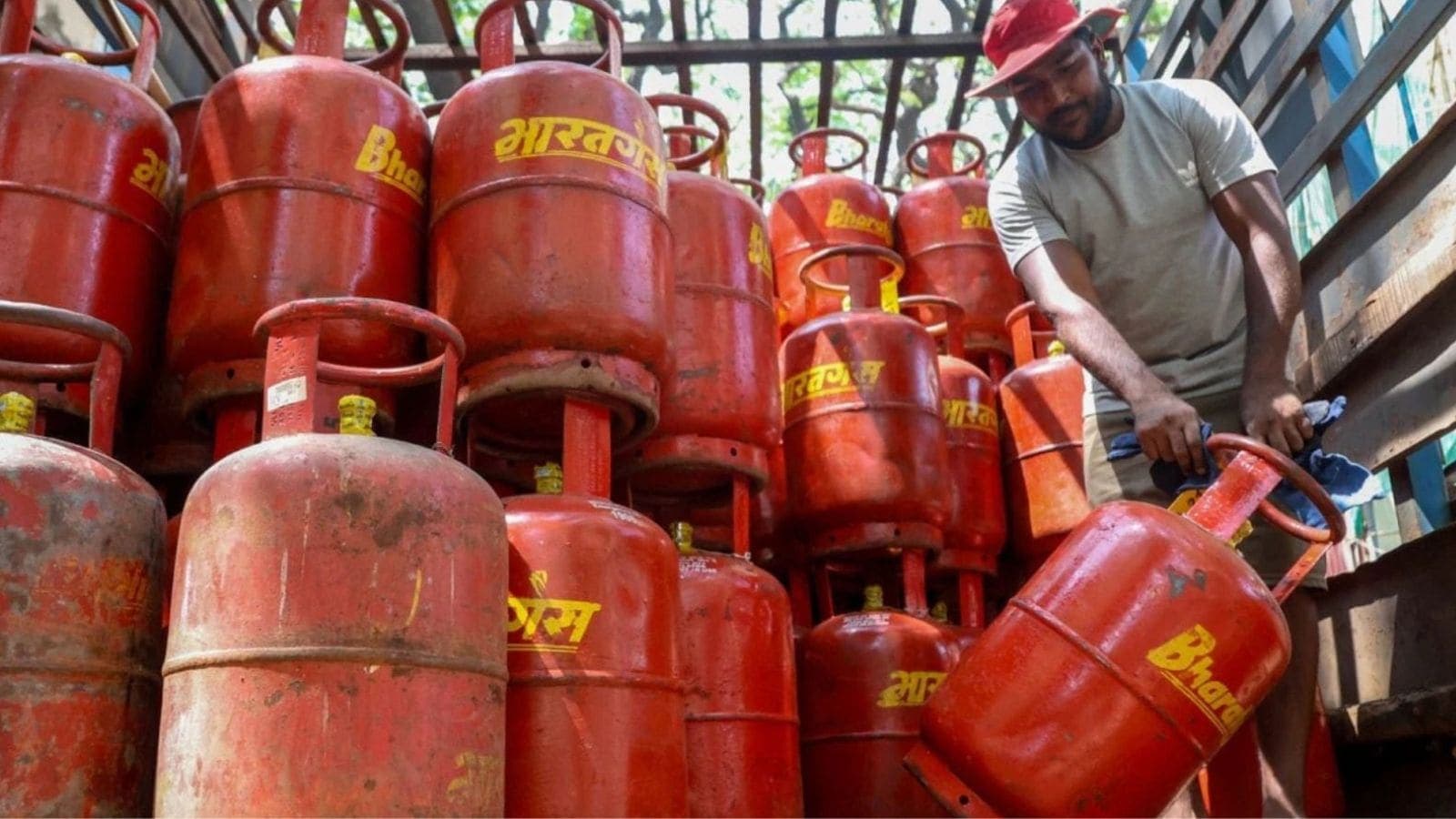
Commercial LPG prices have risen again, with increases of ₹42 in Delhi and ₹53.50 in Kolkata impacting businesses and consumers alike. Find out more.
Indian Express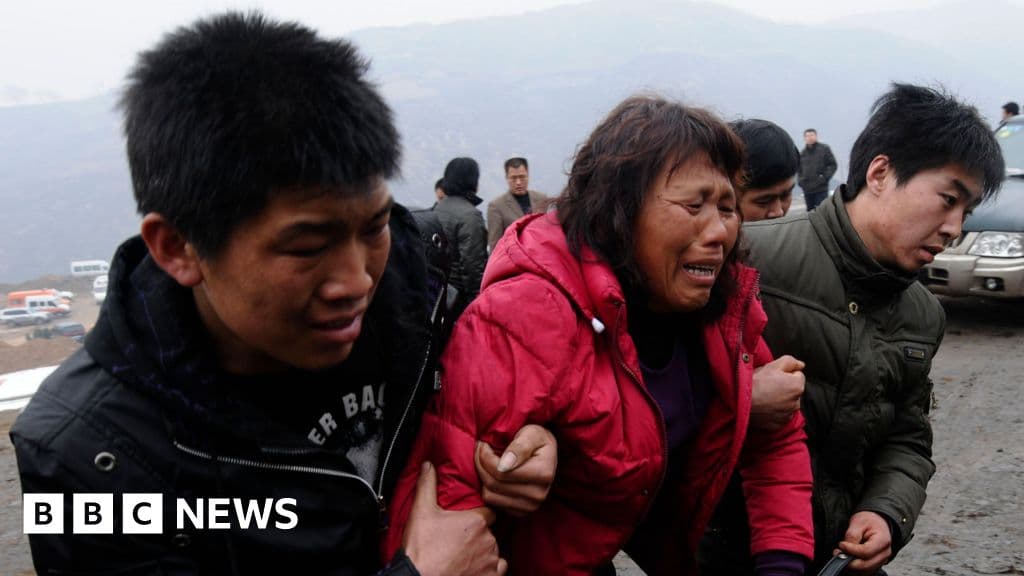
Discover how a tragic coal mine explosion in Shanxi, China, reveals ongoing safety concerns in the industry amidst a push for green energy.
BBC Business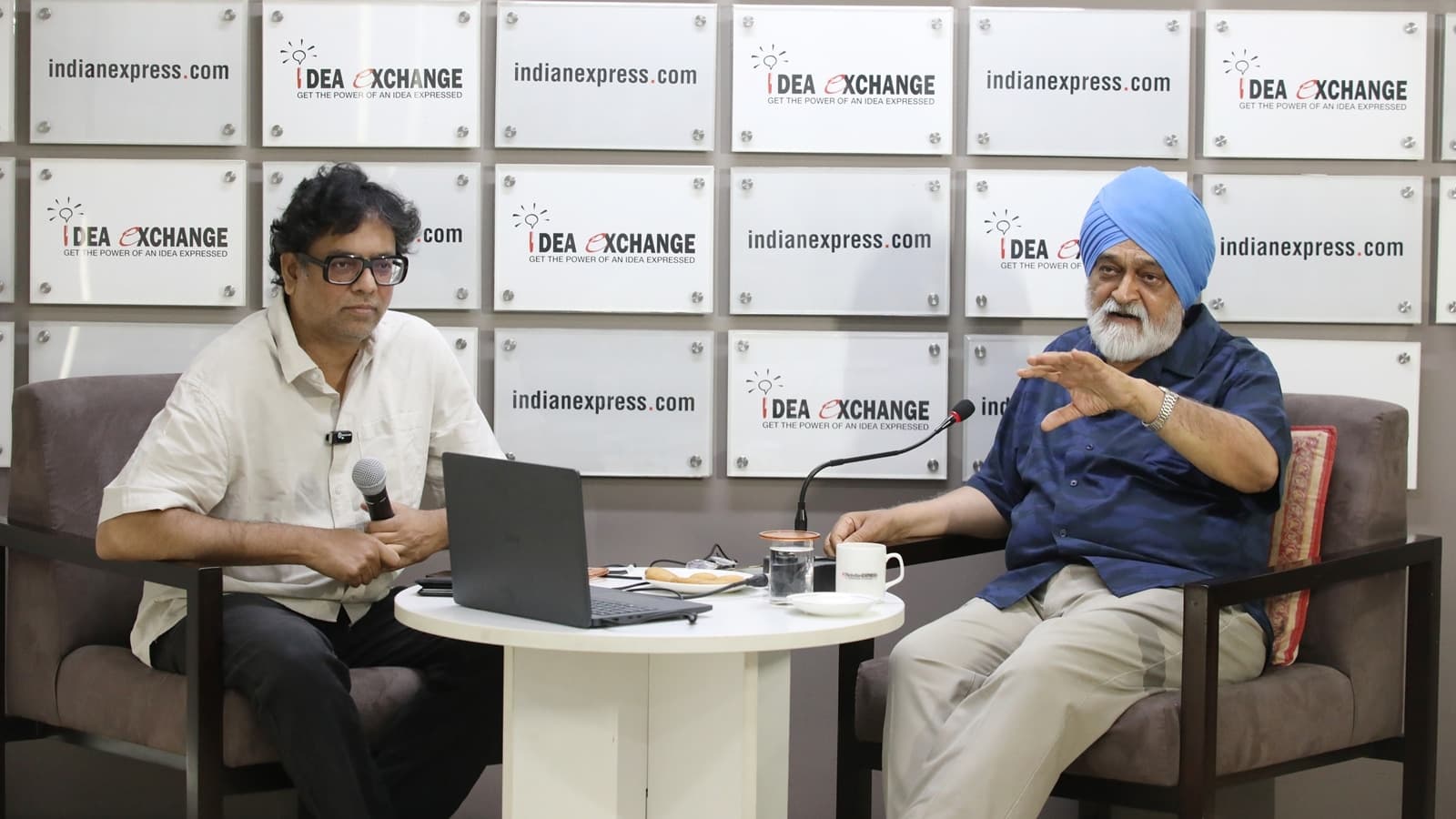
Montek Singh Ahluwalia highlights key economic challenges for India, emphasizing the need for a strategic approach to balance payments and investment.
Indian Express