
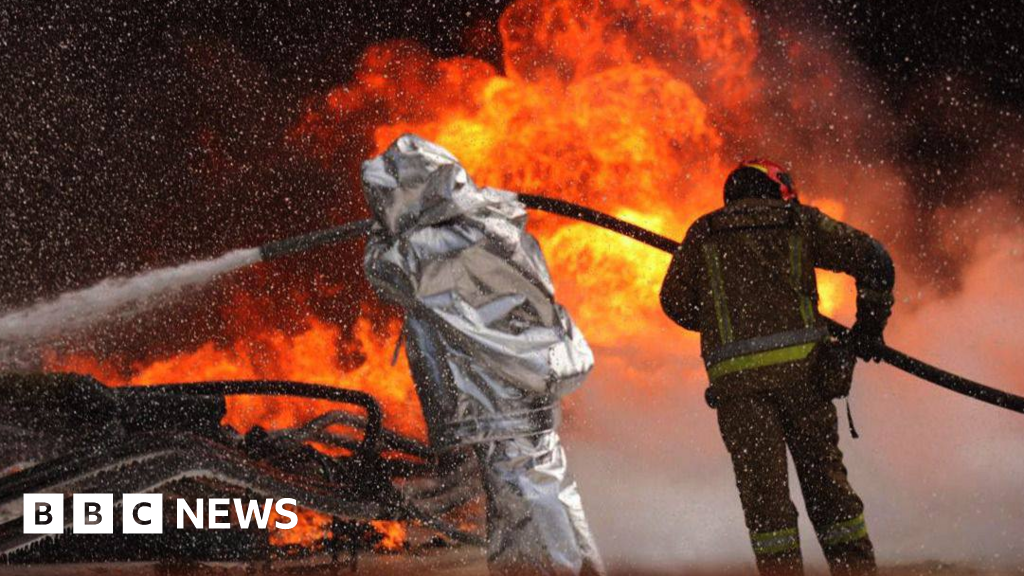
Image: BBC World
Six killed as deadly drone strikes resume in Ukraine after ceasefire. What does this mean for the future of the conflict? Read for insights.
GlipzoIn a tragic escalation of hostilities, Ukraine experienced a devastating wave of drone attacks on Wednesday, resulting in the deaths of six individuals and numerous injuries, as reported by President Volodymyr Zelensky. The renewed aggression comes shortly after a three-day ceasefire, brokered by the United States, came to an end late on Monday. Zelensky indicated that Russia unleashed approximately 800 drones in a single day, raising alarms about potential missile strikes to follow.
The attacks were widespread, affecting various regions, including the far western area of Zakarpattia, which borders Slovakia. In response to the escalating tensions, the Slovak government announced the indefinite closure of its land border crossing with Ukraine, citing security concerns.
The drone attacks on Wednesday continued a pattern of violence that saw nine people killed the previous day. In the Dnipropetrovsk region, local authorities reported over 30 Russian strikes across three districts, leading to eight fatalities and 11 injuries. Damage to civilian infrastructure was extensive, with dozens of homes affected by the bombardment.
In the Donetsk region, one person was killed, and four others were injured. The northeastern Kharkiv region also reported five injuries and significant damage to residential properties. The attacks were not limited to a single area; Odesa, Kherson, Zaporizhzhia, and Poltava also faced drone strikes, highlighting the wide-ranging impact of the conflict.
Zelensky accused Russia of deliberately targeting critical civilian infrastructure, particularly Ukraine's railway systems. In a statement released via Telegram, he indicated that 14 Ukrainian regions had been impacted by the ongoing assault. The Ukrainian military intelligence, known as Hur, warned that the strikes could be part of a prolonged campaign, aiming to exhaust Ukraine's air defense systems.
The Ukrainian air force reported an alarming number of attacks, with 753 drones launched between 08:00 and 18:30 on Wednesday alone, following an initial wave of 139 drones that struck overnight. Despite the efforts of Ukraine’s air defense, 27 drones successfully hit their targets, and debris from another 26 drones fell across various locations.
In a stark acknowledgment of the conflict's reach, Russian officials reported overnight drone strikes that hit three industrial sites, resulting in casualties in the Belgorod border region, where one man succumbed to injuries from a drone attack. The Russian defense ministry claimed to have intercepted 286 Ukrainian drones since Tuesday evening, impacting 14 Russian regions and Crimea, which was annexed by Moscow in 2014.
In a troubling incident, drone debris in the Astrakhan region ignited a fire at a gas processing facility, although local officials assured there was no threat of air pollution. Additionally, Ukrainian strikes reportedly damaged two industrial facilities in Russia's southern Krasnodar region and Yaroslavl, a city northeast of Moscow.
The recent surge in drone strikes underscores a critical shift in the conflict's dynamics, with both sides engaged in aggressive tactics aimed at crippling each other's infrastructure. Ukraine has intensified its focus on targeting energy facilities across Russia, claiming these sites are legitimate military targets as they sustain the Russian war effort.
The ramifications of these renewed hostilities extend beyond immediate casualties, raising concerns about the humanitarian impact on civilians and the potential for further escalation. As both nations prepare for an uncertain future, the international community continues to monitor the situation closely.
This latest wave of violence is not just a continuation of the conflict; it represents a significant escalation that could reshape the landscape of Ukrainian security and international relations. It highlights the urgent need for diplomatic interventions and raises questions about the long-term strategies of both Russia and Ukraine. The potential for further military actions poses risks not only to the involved nations but also to regional stability in Europe and beyond.
As the situation evolves, key areas to watch include: - Potential diplomatic efforts to re-establish ceasefires or peace talks. - The capability and responses of Ukrainian air defenses against ongoing drone strikes. - The impact of civilian casualties on public sentiment within Ukraine and Russia. - Further international reactions and sanctions aimed at both sides of the conflict.
In the coming days, the focus will likely remain on the effectiveness of military strategies adopted by both countries, as well as the broader implications for international security and humanitarian conditions in the region.
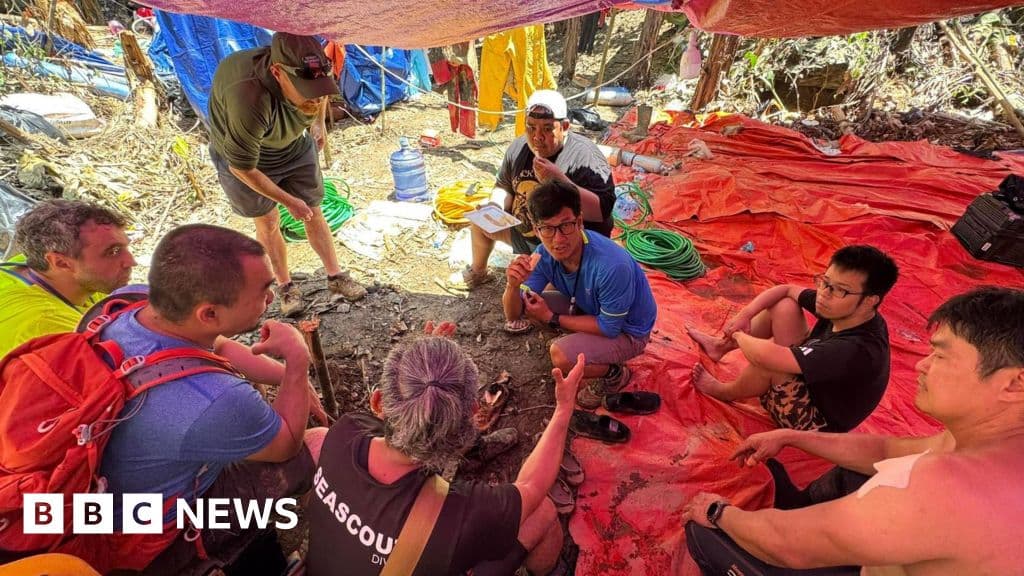
Survivors of the Laos cave rescue are aiding efforts to find the last two missing men trapped inside, sharing crucial insights for the search operation.
BBC World
A year after the tragic Air India crash, the Ali family reflects on grief, unanswered questions, and the enduring bonds of love in the face of loss.
BBC Business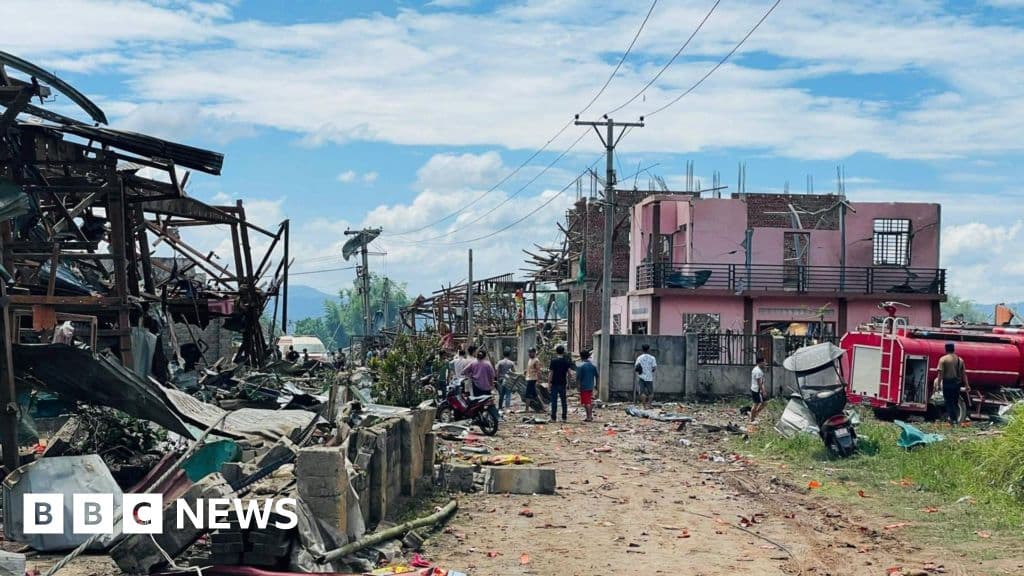
A devastating explosion in Myanmar's Kaung Tat village has killed at least 55 people, raising serious safety concerns and questions about civilian protection in conflict zones.
BBC World