
Image: The Hindu
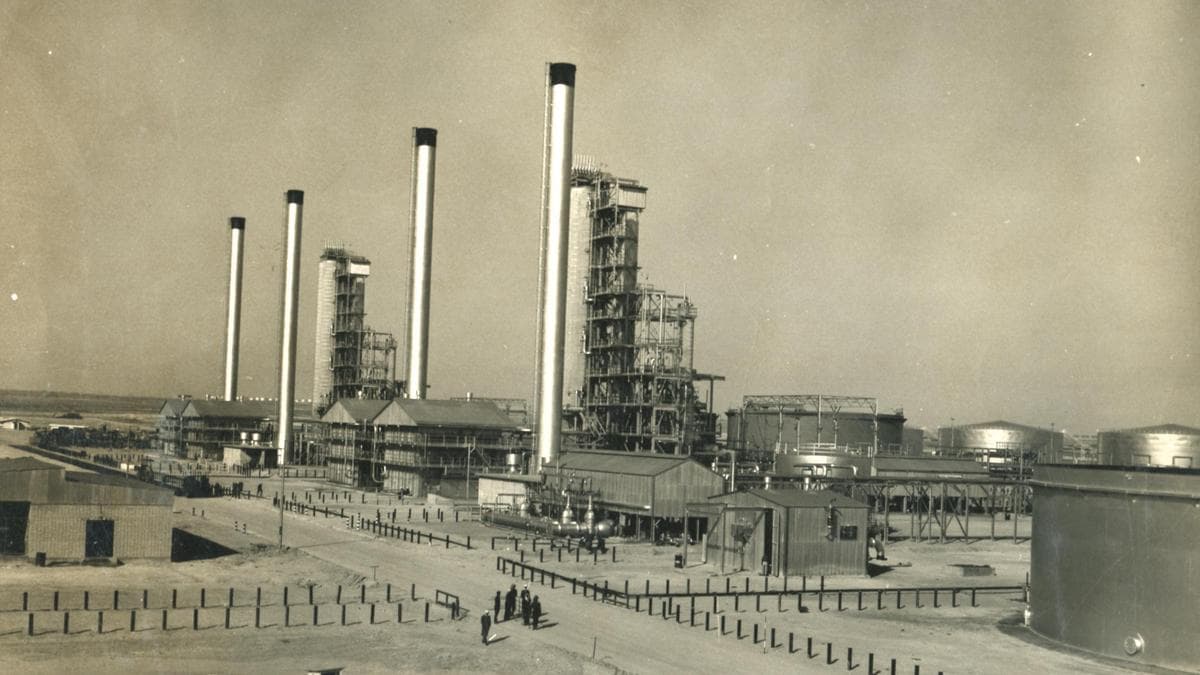
A drone attack ignited a fire at Kuwait's Mina Al-Ahmadi refinery amid rising tensions in the Gulf. What does this mean for regional security?
GlipzoA significant drone attack on Kuwait’s Mina Al-Ahmadi oil refinery has resulted in a fire breaking out on March 20, 2026. The assault comes amid escalating tensions in the Gulf region, with multiple countries facing threats from Iran. Reports from state media indicate that several hostile drones targeted the facility, igniting flames but thankfully resulting in no casualties.
The Kuwait News Agency reported that firefighters are actively combating the infernos and taking precautionary measures by shutting down several refinery units. This incident adds to a series of aggressive actions in the region, with Iran reportedly stepping up its assaults on Gulf energy infrastructure, including recent strikes on Qatar's gas facilities.
The backdrop to these attacks is a rapidly deteriorating relationship between Iran and several Gulf states, particularly following Israeli strikes on Iran's South Pars gas field. The Iranian government has been retaliating against what it perceives as aggression from both Israel and its allies, which now includes U.S. forces stationed in the region.
In a related development, the Bahrain interior ministry reported that shrapnel from an Iranian attack led to a fire at a warehouse, though this was swiftly contained without any injuries. The situation is rapidly evolving, with air defenses in Kuwait responding to threats of missiles and drones.
In response to these attacks, Kuwait's military has confirmed that its air defenses are actively engaging with hostile threats. Meanwhile, UAE state media has reported similar missile and drone threats originating from Iran. The Iranian Revolutionary Guards have claimed responsibility for targeting U.S. installations at Al-Dhafra Air Base in the UAE, as well as various sites in Israel.
Saudi Arabia's defense ministry noted that within a two-hour timeframe, their forces successfully intercepted and destroyed over a dozen drones approaching the country's eastern regions, with additional interceptions occurring in the north. This coordinated defensive response highlights the escalating nature of threats facing the Gulf states.
The implications of these drone attacks extend far beyond immediate damage; they threaten the stability of global oil markets and regional security dynamics. The Mina Al-Ahmadi refinery is one of Kuwait's largest and most critical facilities, and any disruption here can have ripple effects on oil prices and supply chains worldwide.
As the Gulf region navigates this precarious landscape, the ongoing conflict not only poses risks to local populations but also tests international relations, particularly those involving Western nations and their allies in the Middle East.
As tensions escalate, all eyes will be on the Gulf region to see how both military and diplomatic responses unfold. The attacks on the Mina Al-Ahmadi refinery signal a dangerous escalation that could provoke further military action from involved nations.
Experts warn of a potential increase in retaliatory strikes, and the situation necessitates careful monitoring. Additionally, energy markets may react strongly to these developments, impacting global oil prices in the coming weeks. Stakeholders in the region and beyond must prepare for the potential fallout as this volatile situation continues to develop.

Survivors of the Laos cave rescue are aiding efforts to find the last two missing men trapped inside, sharing crucial insights for the search operation.
BBC World
A year after the tragic Air India crash, the Ali family reflects on grief, unanswered questions, and the enduring bonds of love in the face of loss.
BBC Business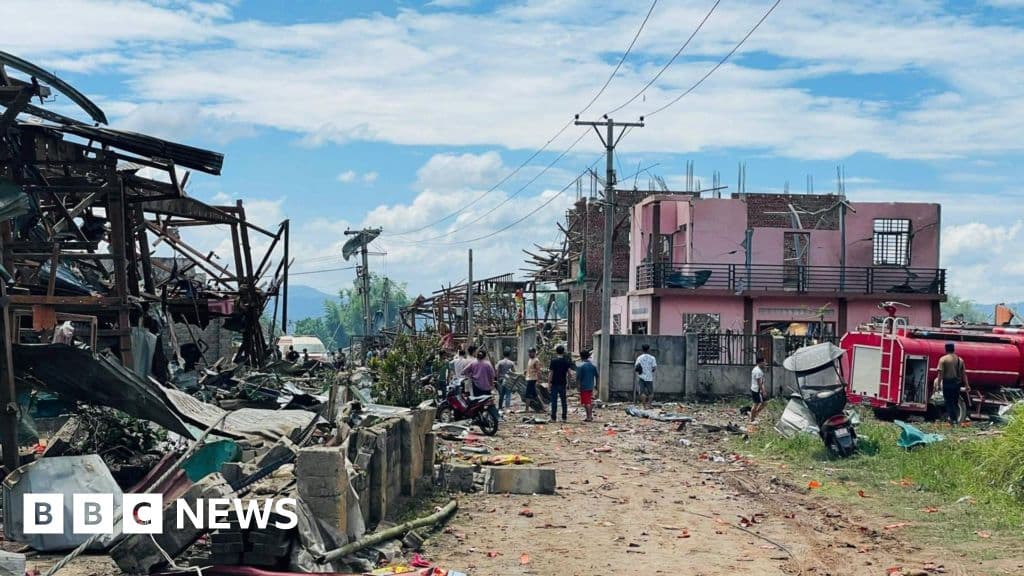
A devastating explosion in Myanmar's Kaung Tat village has killed at least 55 people, raising serious safety concerns and questions about civilian protection in conflict zones.
BBC World