

Image: BBC World
A major cyber attack by ShinyHunters has disrupted thousands of universities and schools across the US, Canada, and Australia, causing chaos during exams.
GlipzoA significant cyber attack has recently impacted several educational institutions in the US, Canada, and Australia, leading to confusion and significant disruptions during the critical end-of-year academic period. The notorious hacking group ShinyHunters has reportedly claimed responsibility for this coordinated attack, which has rendered the widely-used academic software Canvas inoperable for thousands of schools and universities.
On Thursday, Instructure, the parent company of Canvas, announced on their website that the platform was "available for most users". However, reports still indicated that many universities continued to experience outages even on Friday, affecting students' access to crucial coursework and examinations.
The attack has been widespread, affecting an estimated 9,000 educational institutions globally. Among those impacted, the University of Sydney alerted its students on Friday that Canvas was unavailable and advised against logging in. The university’s announcement emphasized that they were among the many institutions grappling with this unforeseen outage, which posed a significant challenge during the semester's critical period.
The disruption led to significant academic consequences. Mississippi State University decided to postpone its final exams scheduled for Friday, providing students with additional time to recover any lost work. Similarly, Idaho State University announced the cancellation of exams planned after 12:00 PM local time (18:00 GMT) on Thursday.
Penn State University communicated to its students that Canvas was completely inaccessible, and a resolution was unlikely to be reached within the next 24 hours. As a precaution, certain exams set for Thursday and Friday were also canceled. The University of British Columbia in Vancouver informed its students of the service disruption, confirming that it was due to a cyber breach linked to Instructure. Students were urged to log out of the system immediately for their safety.
In addition, the University of Toronto acknowledged that it too was grappling with the fallout from the breach, stating that multiple universities had been affected. At the University of California, Los Angeles (UCLA), students faced challenges submitting assignments online, while the University of Chicago temporarily disabled its Canvas platform amid reports of the attack.
The hacking group ShinyHunters has not only disrupted services but has also hinted at ransom demands. The Chicago Maroon, a student newspaper at the University of Chicago, shared a screenshot of a message allegedly from ShinyHunters, which appeared to seek a ransom and urged the university to contact them for a potential settlement to avoid data release.
This revelation has left students anxious about their personal information and academic data. Jacques Abou-Rizk, a master’s student at Northwestern University, described receiving a similar ransom message when he clicked a link in an email that seemed to come from a university administrator. "I didn't know what was happening," he recounted, expressing concerns about the uncertainty of the situation. Abou-Rizk emphasized the anxiety surrounding not only the inability to complete his work but also the fear of potential data breaches resulting from the attack.
As of Friday, Northwestern University was still unable to restore access to Canvas, and no further communication had been provided to students beyond a generic update acknowledging the issue.
Security expert Luke Connolly from the cyber security firm Emisoft reported that the threats from ShinyHunters began circulating on Sunday, with deadlines set for Thursday and May 12. This ongoing situation suggests that negotiations regarding potential extortion payments could be underway, further complicating the recovery process for affected universities.
The timing of the cyber attacks is particularly critical, coinciding with a letter from Senate Majority Leader Chuck Schumer to the Trump administration, expressing concerns about increased cyber threats and urging action to bolster cybersecurity measures.
The widespread impact of this cyber attack highlights the vulnerabilities faced by educational institutions, especially as they increasingly rely on digital platforms for academic operations. With the end-of-year exam period underway, the disruption not only affects students' immediate academic performance but also raises questions about the security of educational data.
As universities navigate this crisis, it is essential to understand the broader implications of such cyber threats. Institutions may need to rethink their cybersecurity strategies to safeguard against future attacks and protect sensitive information. The ongoing situation serves as a stark reminder of the importance of robust cybersecurity measures in today’s digital landscape.
Moving forward, the focus for universities will likely shift toward recovery and prevention strategies. As they work to restore access to Canvas and ensure academic integrity, it will be crucial for these institutions to engage with cybersecurity experts to fortify their digital infrastructure against future attacks. Students will also need to stay informed about the ongoing situation and any potential impacts on their academic responsibilities.
In summary, the recent cyber attack has not only disrupted the operations of numerous educational institutions but has also ignited a crucial conversation about the importance of cybersecurity in the academic sector. As institutions respond to the immediate crisis, the lessons learned will likely shape future approaches to protecting educational data.
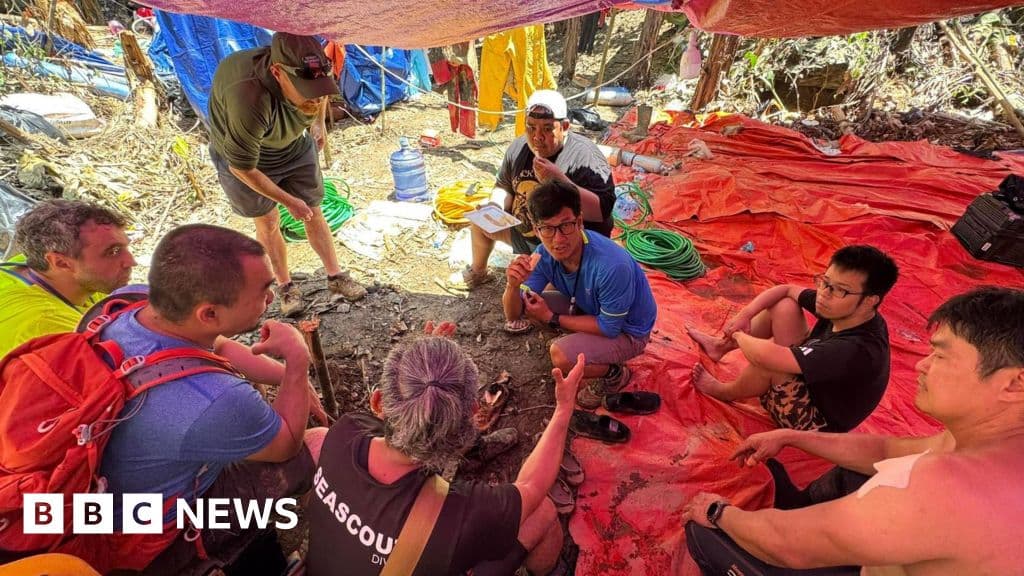
Survivors of the Laos cave rescue are aiding efforts to find the last two missing men trapped inside, sharing crucial insights for the search operation.
BBC World
A year after the tragic Air India crash, the Ali family reflects on grief, unanswered questions, and the enduring bonds of love in the face of loss.
BBC Business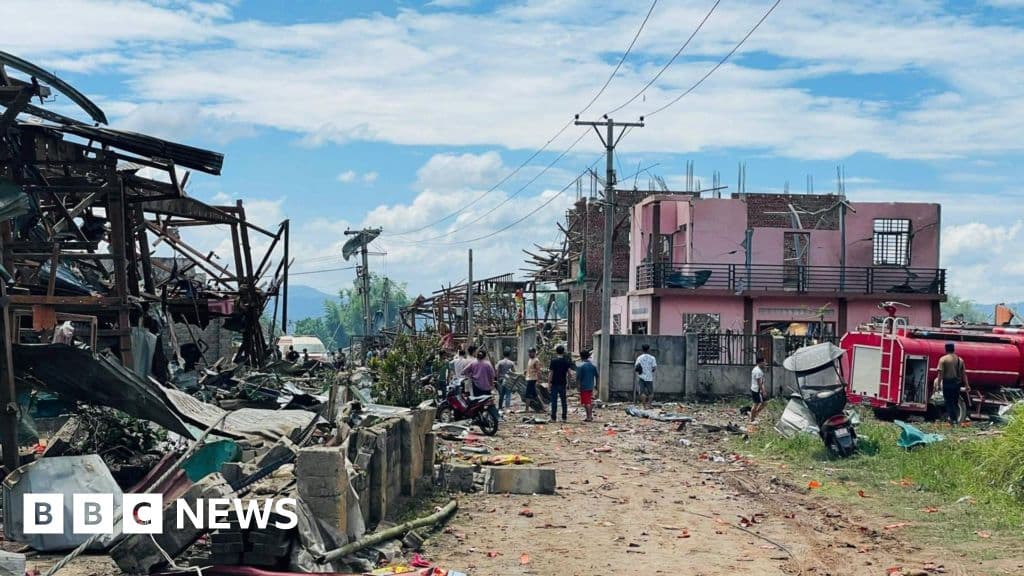
A devastating explosion in Myanmar's Kaung Tat village has killed at least 55 people, raising serious safety concerns and questions about civilian protection in conflict zones.
BBC World