

Image: The Guardian World
France returns the sacred Djidji Ayôkwé drum to Côte d'Ivoire, marking a significant cultural restitution and a step towards acknowledging colonial injustices.
GlipzoIn a historic move, France has returned the Djidji Ayôkwé, a sacred talking drum looted during colonial times, to Côte d’Ivoire. This significant act of cultural restitution took place earlier this month, culminating in the drum's arrival in Abidjan on March 13, 2023. The drum, an emblematic artefact for the Ebrié people, was originally seized by French colonial authorities in 1916 and has since held deep cultural and political importance for the Ivorian community.
The Djidji Ayôkwé was transferred from the Quai Branly – Jacques Chirac Museum in Paris and landed at Port Bouët Airport at 8:45 AM. The event marks a key milestone in acknowledging the historical injustices faced by former colonies, particularly in the context of France's colonial past.
Aboussou Guy Mobio, a prominent figure from the Adjamé-Bingerville community, expressed profound emotions regarding the drum's return, stating, “After a long stay away from this land, it is returning to its own people and it is an honour for us and a relief to welcome it.” His words underline the significance of this cultural artefact as a vital link to the heritage and legacy of Ivorian ancestors.
The Djidji Ayôkwé is not merely an object; it is a cultural symbol. Standing at four meters and weighing 430 kilograms, this hourglass-shaped drum is crafted to imitate the pitch and tone of human speech. Historically, it served as a crucial form of communication among the Ebrié people, relaying messages over vast distances to announce key events or warnings.
The return of the Djidji Ayôkwé not only restores an important piece of Ivorian heritage but also reinforces a broader movement toward repatriating stolen artefacts to their countries of origin. This act reflects a growing recognition of the need for historical justice and cultural reconciliation.
The journey to reclaim the Djidji Ayôkwé began with a promise made by French President Emmanuel Macron in 2021. However, the actual process of restitution required four years of negotiations and advocacy before the French parliament could ratify the decision. The lengthy process highlights the complex dynamics involved in cultural restitution between former colonial powers and their former colonies.
In her address during the handover ceremony, Françoise Remarck, Côte d’Ivoire’s Minister of Culture and Francophonie, remarked, “We are indeed experiencing a moment of justice and remembrance.” The ceremony illustrated a collective sense of achievement and emotional relief, as the drum's return was celebrated not only as a cultural victory but as a pivotal moment in Ivorian history.
As the drum's wooden crate was unloaded from the aircraft, a vibrant cultural troupe performed the traditional tchaman dance to celebrate the occasion. This lively display of local culture emphasized the significance of the event within the community and showcased the rich heritage of Côte d’Ivoire.
Additionally, the drum is set to be permanently displayed at the Musée des Civilisations de Côte d’Ivoire in the Plateau administrative district. This exhibition, expected to commence in April, will be supported by a $100,000 donation from UNESCO for research and training at the museum, ensuring the drum's legacy is preserved and celebrated for future generations.
The return of the Djidji Ayôkwé marks a pivotal moment not just for Côte d’Ivoire but also for the global discourse on colonialism and cultural restitution. The momentum generated by this event may pave the way for further discussions regarding other looted artefacts. Sylvie Memel Kassi, a former director of the museum, noted, “We are studying eight other objects,” indicating that this is just the beginning of a broader movement aimed at reclaiming Ivorian heritage.
As discussions around cultural restitution continue, it will be crucial to watch how both Ivorian and French authorities collaborate on future projects. The return of the Djidji Ayôkwé serves as an inspiring reminder of the power of cultural heritage and the importance of addressing historical injustices in our increasingly interconnected world.
Ultimately, the Djidji Ayôkwé is more than an artefact; it symbolizes a renewed commitment to acknowledging and rectifying past wrongs, allowing current and future generations to connect with their rich cultural identities. What remains to be seen is how this cultural renaissance will influence ongoing dialogues about colonial legacies and the restitution of cultural treasures worldwide.
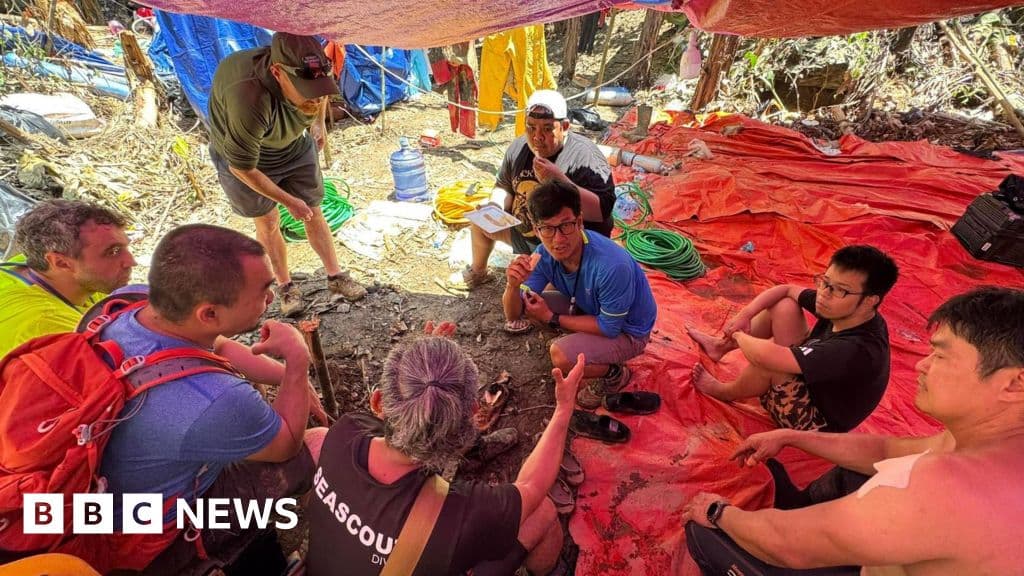
Survivors of the Laos cave rescue are aiding efforts to find the last two missing men trapped inside, sharing crucial insights for the search operation.
BBC World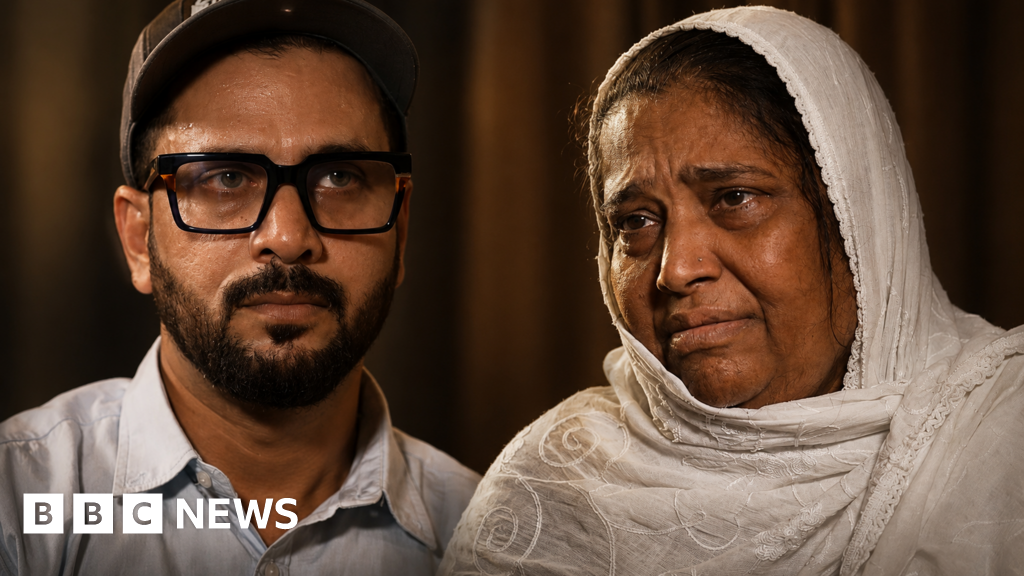
A year after the tragic Air India crash, the Ali family reflects on grief, unanswered questions, and the enduring bonds of love in the face of loss.
BBC Business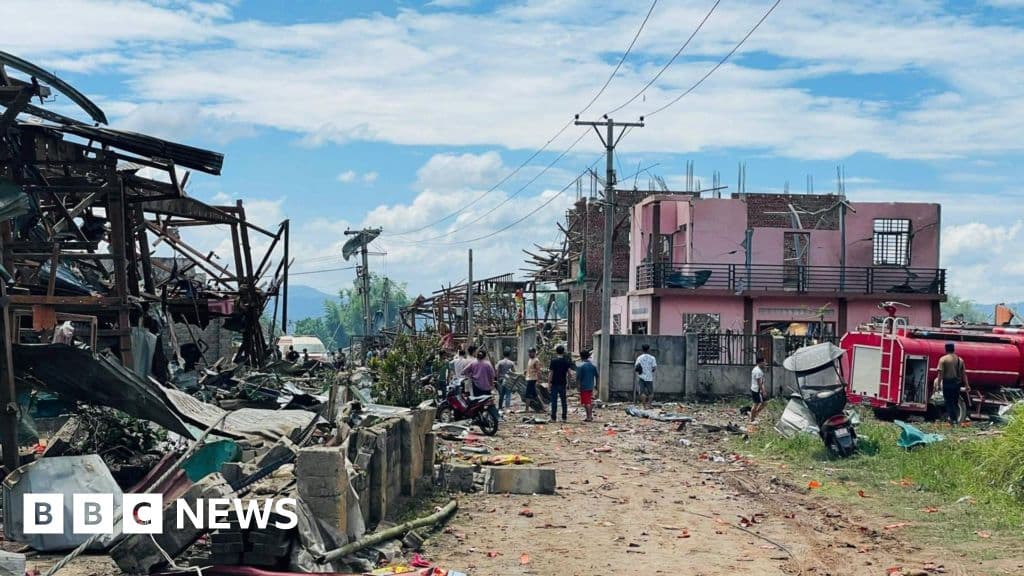
A devastating explosion in Myanmar's Kaung Tat village has killed at least 55 people, raising serious safety concerns and questions about civilian protection in conflict zones.
BBC World