As the Iran conflict escalates, major corporations thrive with record profits. Discover how energy, finance, and defense sectors are cashing in amidst global turmoil.
How the Iran Conflict is Reshaping Global Economies
The ongoing war involving the US and Israel in Iran is causing significant upheaval across the globe. While households are grappling with rising living costs, a number of major corporations are reaping **unprecedented profits**. This stark contrast highlights the economic disparities exacerbated by conflict.
The situation has intensified following Iran's effective closure of the Strait of Hormuz, a crucial maritime route where approximately 20% of the world’s oil and gas is transported. The result? A dramatic spike in energy prices and a chaotic market environment that has favored certain sectors over others. As many face financial strain, others are celebrating record earnings.
Energy Sector Giants Rake in Profits
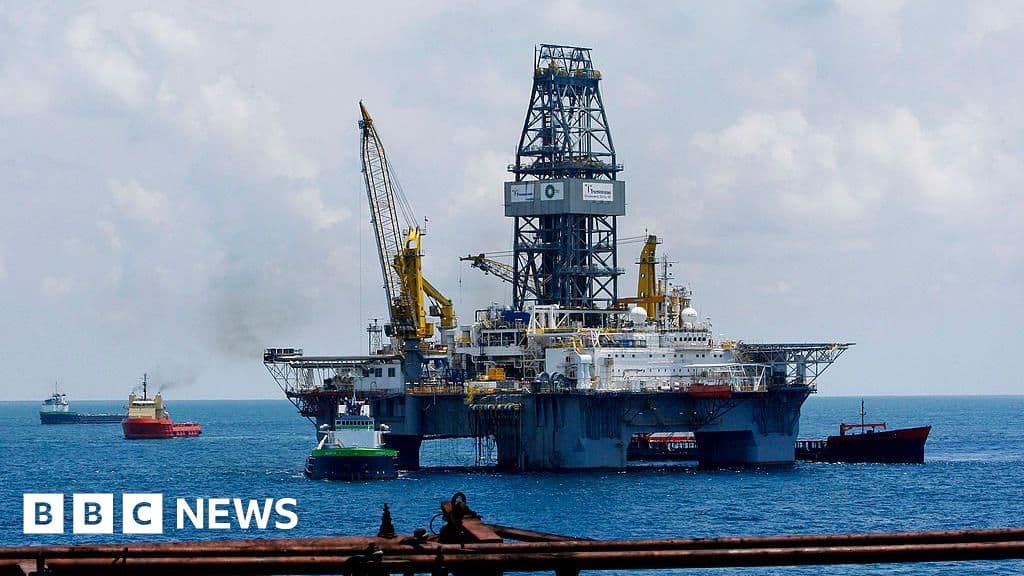
The energy market has experienced a seismic shift due to the war's impact. With shipments through the Strait of Hormuz coming to a near halt, energy prices have undergone wild fluctuations, benefitting some of the largest oil companies.
- **BP** reported a staggering profit increase, with earnings more than doubling to **$3.2 billion** for the first quarter of 2026, attributing it to an "exceptional" performance in trading.
- **Shell** surpassed expectations with first-quarter profits reaching **$6.92 billion**, while **TotalEnergies** saw a **30% surge** in earnings, amounting to **$5.4 billion** during the same period.
- Even American giants like **ExxonMobil** and **Chevron** faced earnings drops compared to last year but still exceeded forecasts and anticipate further profit growth as oil prices remain high.
This volatile environment has turned energy markets into a playground for these corporations, showcasing the stark profit divide amid global turmoil.
Financial Institutions Benefit from Increased Trading
In addition to energy firms, major banks are experiencing a financial windfall amid the conflict. The increased volatility and trading activity have fueled profits in this sector as well.
- **JP Morgan Chase** recorded a record **$11.6 billion** in revenue from its trading division in early 2026, contributing to one of its best quarters ever.
- Collectively, the **Big Six** banks—including names like **Bank of America**, **Morgan Stanley**, **Citigroup**, **Goldman Sachs**, and **Wells Fargo**—reported a whopping **$47.7 billion** in profits for the first three months of 2026.
Investment strategist Susannah Streeter observed that heavy trading volumes were pivotal, particularly for Morgan Stanley and Goldman Sachs, as investors shifted from riskier assets to safer options. This shift was driven by uncertainty, creating a surge in trading that has benefited these financial institutions.
Defense Sector: A Direct Beneficiary
The defense industry is another sector that stands to gain significantly from the ongoing conflict. As countries recognize the need to bolster their military capabilities, investments in defense technologies are increasing at an accelerated pace.
- **BAE Systems**, known for its production of military hardware, including components for the F35 fighter jet, anticipates strong growth in both sales and profits this year. The company cited rising **security threats** worldwide as a driving force behind increased government defense spending.
- Other major players like **Lockheed Martin**, **Boeing**, and **Northrop Grumman** are also poised to benefit from this uptick in demand for military supplies and technology.
Why It Matters
The financial success of these companies in times of conflict raises important questions about the ethical implications of profiting from war. As consumers feel the pinch of rising costs and inflation, these corporations stand in stark contrast, highlighting a significant divide in the economic landscape.
What Comes Next?
As the war continues, observers will be watching closely to see how these sectors evolve. Key factors to monitor include:
- **Energy Prices**: Will they stabilize, or will further conflicts cause more volatility?
- **Banking Trends**: How will financial institutions adapt to ongoing market shifts?
- **Defense Spending**: Will countries continue to ramp up investment in military capabilities?
The implications of these developments extend beyond mere profits. They reflect a larger narrative of how global conflicts can reshape economies, creating winners and losers in a rapidly changing world. As the situation unfolds, both consumers and investors must navigate these turbulent waters with caution.