
Image: BBC World
Major coordinated attacks shake Mali, raising concerns about security and instability. What does this mean for the future of the region?
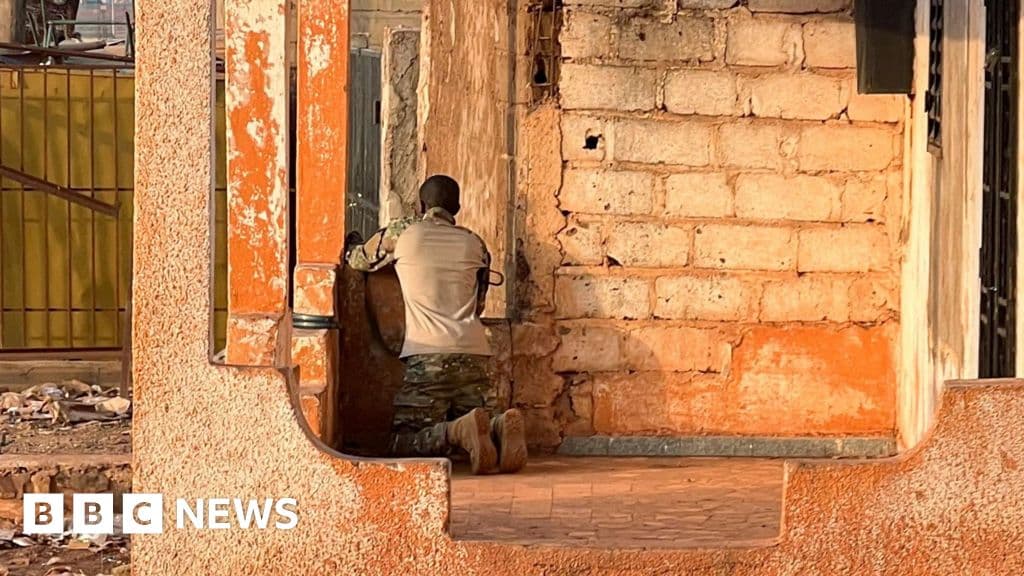
GlipzoIn a shocking escalation of violence, Mali's capital Bamako is currently experiencing severe unrest as armed groups have launched a series of coordinated attacks across the nation. Reports of explosions and sustained gunfire began surfacing Saturday evening, alarming residents and prompting immediate military responses. As the situation unfolds, the Malian military has reported efforts to repel the attackers, claiming that some militants have already fled the scene.
The violence is not limited to Bamako. Clashes have been reported in multiple regions, including Kati, which houses a significant military base, as well as in the northern cities of Gao and Kidal, and the central regions of Sevare and Mopti. According to analysts, this marks the largest jihadist assault Mali has faced in years, highlighting the growing threat of armed insurgencies in the region.
Mali has long been a battleground for various militant groups, including those linked to al-Qaeda and the Islamic State. Additionally, a separatist movement striving for autonomy in northern Mali adds another layer of complexity to the ongoing conflict. The latest attacks are attributed to the Azawad Liberation Front (FLA), a group advocating for an independent Tuareg state. Reports indicate that the FLA's primary focus has been on northern cities, while the jihadist group Jama'at Nusrat al-Islam wal-Muslimin (JNIM) executed simultaneous strikes across the country.
Spokesman for the FLA, Mohamed Elmaouloud Ramadane, disclosed to the BBC that the attacks were meticulously planned and executed in collaboration with JNIM. "It is difficult to find any solution without their participation, and there was co-ordination," he stated, underscoring the tactical alliance between these two militant factions.
Despite claims of success by the Malian military, the situation remains fluid. Ramadane indicated that fighting persists in Kidal, with remnants of the Malian army and reported Russian mercenaries still engaged in combat. Unverified social media posts from Ramadane showed footage of militants allegedly taking over a military camp occupied by Malian forces and Russian contractors.
An FLA field commander described the preparation for this offensive as extensive, stating, "Our main goal now is to control Gao, and then Timbuktu will be easy to fall." This ambition to capture strategic locations poses a significant threat to the stability of the region.
In response to the escalating violence, Bamako has instituted heightened security measures, including setting up checkpoints on roads leading to the airport and enforcing a curfew from 21:00 to 06:00 local time for the next three nights. Reports indicate that air travel into Bamako has been severely affected, with all flights canceled by Saturday morning, though the direct impact on the airport remains unclear.
The UK Foreign Office has issued a warning against all travel to Mali following the attacks, stating that Bamako International Airport has temporarily closed its operations. This development raises concerns about the safety of both residents and travelers in the region.
As the situation in Mali continues to develop, several key factors will shape the future of this conflict. The involvement of international forces, the effectiveness of the Malian military’s response, and the potential for further coordinated attacks are critical elements to monitor.
The rise of the FLA and its collaboration with jihadist groups like JNIM indicates a dangerous shift in the dynamics of armed conflict in Mali. With the possibility of further territorial gains, the stability of the region hangs in the balance. Local and international stakeholders will need to reassess their strategies and responses in light of these recent developments, as the humanitarian implications could be profound.
In conclusion, the violence in Mali serves as a stark reminder of the ongoing challenges faced in the Sahel region. As we look to the future, the international community must remain vigilant in its efforts to address the root causes of these conflicts and support peace-building initiatives to ensure the safety and security of all Malians.
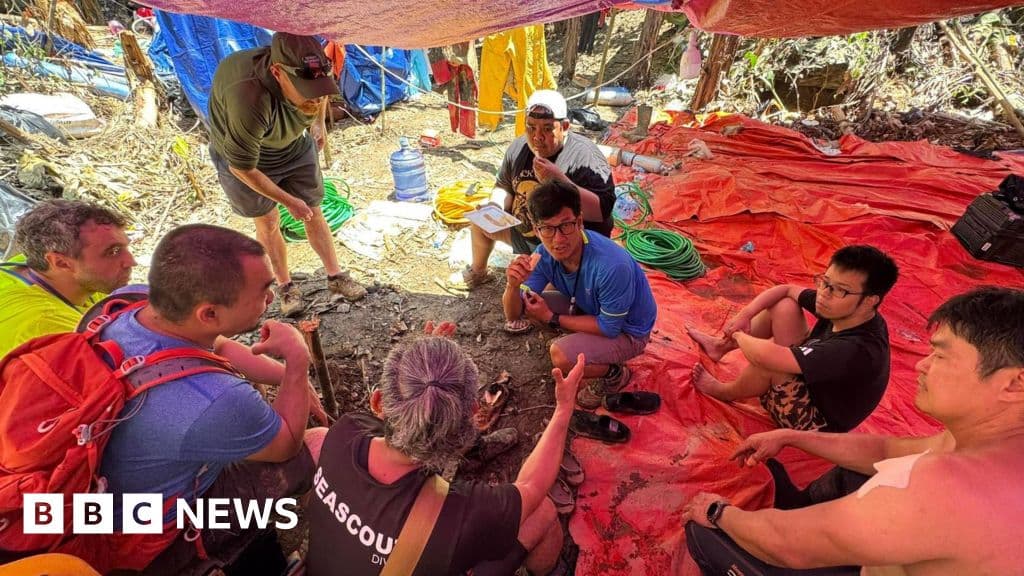
Survivors of the Laos cave rescue are aiding efforts to find the last two missing men trapped inside, sharing crucial insights for the search operation.
BBC World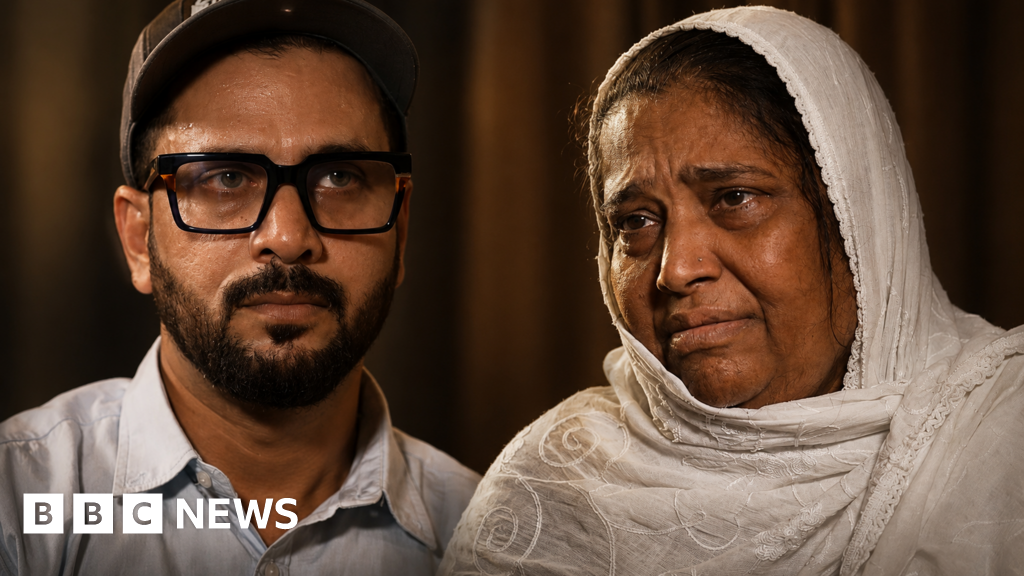
A year after the tragic Air India crash, the Ali family reflects on grief, unanswered questions, and the enduring bonds of love in the face of loss.
BBC Business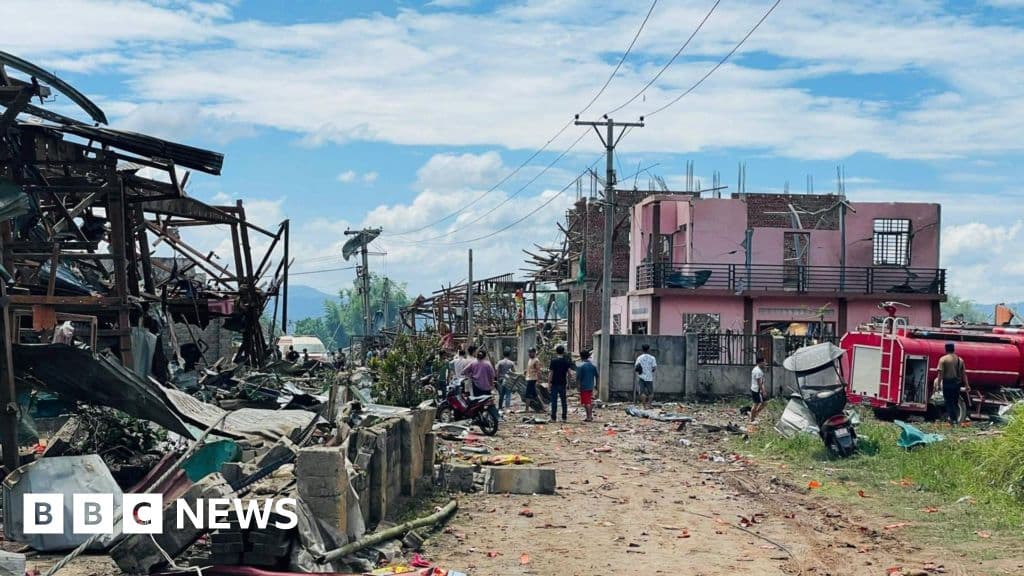
A devastating explosion in Myanmar's Kaung Tat village has killed at least 55 people, raising serious safety concerns and questions about civilian protection in conflict zones.
BBC World