

Image: TechCrunch
Travis Kalanick returns to the tech scene, launching Atoms and acquiring Pronto. What does this mean for the future of transportation? Find out here.
GlipzoIn a shocking turn of events, Travis Kalanick, the controversial co-founder and former CEO of Uber, has made headlines once again, signaling a return to the transportation forefront reminiscent of 2016. Kalanick, who stepped down from Uber in 2017 amid a series of scandals, is now launching a new venture focused on robotics named Atoms. What makes this announcement even more compelling is his impending acquisition of Pronto, an autonomous vehicle startup that targets industrial and mining applications. Kalanick has identified himself as the “largest investor” in Pronto, which was founded by his former Uber colleague, Anthony Levandowski.
For those not familiar with the landscape, 2016 was a pivotal year for autonomous vehicles (AVs). It was the year that Uber acquired Levandowski’s previous company, Otto, but the deal backfired dramatically, culminating in a lawsuit from Waymo over trade secret theft. Kalanick's return to the tech scene with Atoms and Pronto essentially revives conversations and aspirations around autonomous technology that defined that era. His new endeavors in robotics indicate a renewed commitment to innovation in the sector, raising questions about the future trajectory of autonomous vehicles.
While Kalanick’s news is generating buzz, the spotlight also shines on Rivian, which recently showcased its upcoming R2 SUV at the annual SXSW festival in Austin, Texas. This electric vehicle manufacturer has ambitious plans to launch the R2 as one of the fastest vehicles to hit the market. Rivian, serving as the festival's headline sponsor, unveiled critical pricing details, revealing that the performance launch edition will start at $57,990. For those awaiting a more affordable version, the much-anticipated $45,000 R2 will not be available until late 2027.
Rivian’s strategy at SXSW emphasizes experiential marketing, aimed squarely at a demographic that closely aligns with their target customers. The event attracts a mix of tech enthusiasts and creative professionals, making it an ideal setting for Rivian to engage potential buyers. While the R2 is designed to be more accessible than Rivian’s larger and pricier R1 trucks and SUVs, it also includes advanced features like a new operating system that promises improved performance.
Rivian’s head of software, Wassym Bensaid, emphasized the benefits of edge computing, which allows the R2 to run large language models locally. This feature significantly reduces latency and enhances overall performance, showcasing Rivian's commitment to integrating cutting-edge technology into its vehicles. One of the standout features of the R2 is its halo wheels on the steering wheel, designed to provide haptic feedback. These wheels enable drivers to adjust temperature, fan speed, and audio volume without diverting their attention from the road. This user-friendly innovation addresses customer demands while maintaining a clean interior design.
Meanwhile, Lucid Motors made waves at its investor day by presenting a concept for a robotaxi built on its forthcoming midsize EV platform. Interim CEO Marc Winterhoff confidently stated that the company is developing a dedicated Lucid Robotaxi, which is set to follow the launch of its midsize EVs. However, Lucid later clarified to TechCrunch that there is no active development currently underway, leading to speculation about the feasibility and timeline of such ambitious plans.
The return of Kalanick and the advancements from companies like Rivian and Lucid Motors underscore a significant shift in the transportation industry. As autonomous and electric vehicle technologies continue to evolve, the competition among leading firms will intensify. Consumers can expect a landscape filled with innovative features, improved sustainability, and more accessible pricing.
As Travis Kalanick re-establishes himself in the tech arena with Atoms and Pronto, it will be crucial to watch how these ventures unfold. The implications for the autonomous vehicle sector and the overall transportation landscape are profound. Will Kalanick’s return spark a new wave of innovation, or will history repeat itself with similar challenges? Consumers and industry experts alike should keep an eye on Rivian’s R2 launch and Lucid's developments, as these companies strive to shape the future of mobility. The next few years could very well redefine how we perceive and utilize transportation technology.
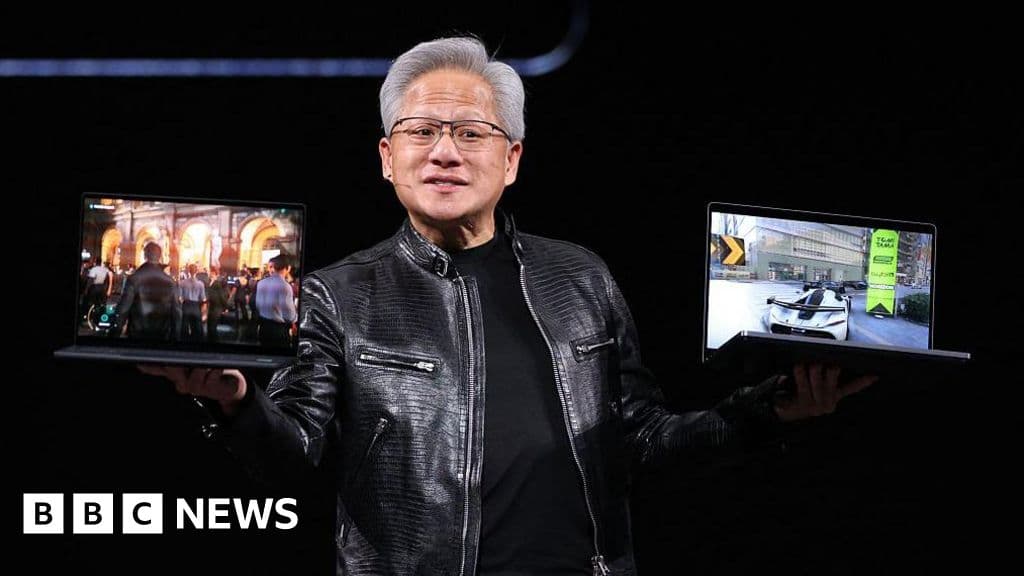
Nvidia's new RTX Spark chip aims to transform personal computing with AI, marking a significant shift in technology. Discover what this means for consumers.
BBC Business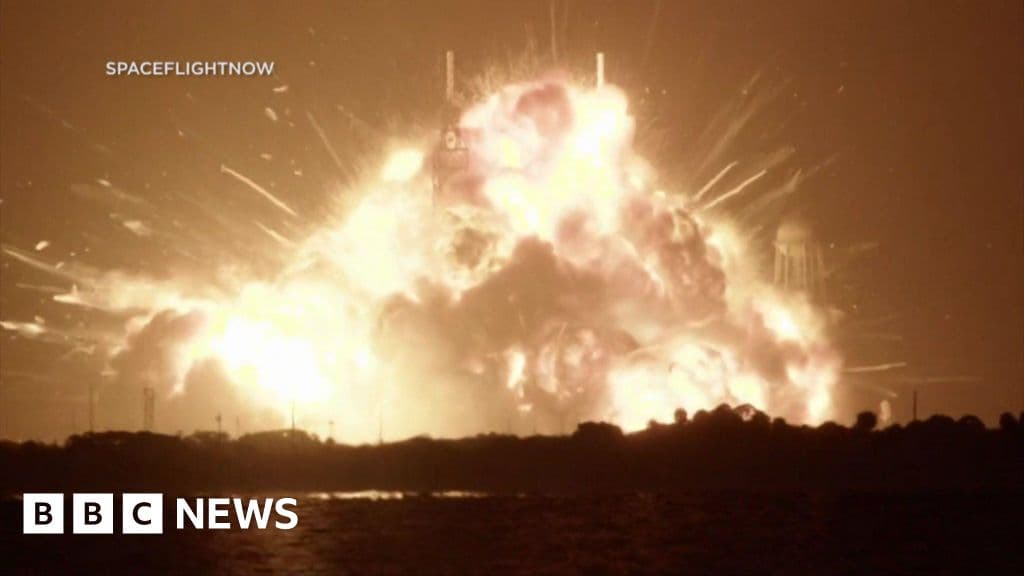
The explosion of Blue Origin's New Glenn rocket raises significant concerns over NASA's lunar ambitions and the future of Amazon's satellite projects. Discover the implications.
BBC Science
Discover how Meta's lack of engagement on user bans raises critical concerns about accountability and transparency in social media governance.
BBC Technology