

Image: The Hindu
Vice-President C.P. Radhakrishnan calls for universities to modernize syllabi, emphasizing skill development and employability in a rapidly changing world.
GlipzoIn a pivotal address on March 21, 2026, at the inaugural convocation of the Ratan Tata Maharashtra State Skills University, Vice-President C.P. Radhakrishnan urged universities across India to embrace a modern and scientific syllabus. His remarks reflect the urgent need for educational institutions to adapt to the rapidly changing global landscape and to prepare students for the demands of the future workforce.
Radhakrishnan highlighted that the true strength of the nation is rooted in the capabilities of its people. He emphasized that education must not only impart knowledge but also equip students with the skills necessary to excel in various industries. This call for reform is particularly significant as India aims to become a global leader in innovation, technology, and skilled labor.
During his speech, Radhakrishnan pointed out that the traditional educational model is no longer sufficient in today’s fast-paced world. He stated that academic degrees hold value only when they translate into real-world employability. This assertion underscores a growing concern among educators and policymakers regarding the relevance of current educational programs.
To bridge this gap, the Vice President advocated for a greater emphasis on skill development and the integration of new-age technologies into university curricula. He believes that educational institutions should prioritize teaching skills that are in high demand in the job market, such as data analysis, artificial intelligence, and digital marketing.
Radhakrishnan’s address included several recommendations aimed at driving the necessary changes in higher education: - Revise Syllabi: Institutions should regularly update their curricula to include emerging technologies and industry-relevant skills. - Focus on Skill Development: Universities must prioritize hands-on training and practical experiences to enhance employability. - Collaborate with Industry: Establish partnerships with businesses to ensure that educational programs align with market needs. - Promote Lifelong Learning: Encourage a culture of continuous education and skill enhancement among students and professionals.
The Vice President’s remarks come at a critical juncture as India seeks to harness its demographic dividend. With a significant portion of the population entering the workforce, the educational system must evolve to meet the challenges of a dynamic job market.
The emphasis on modern syllabi and skill development is not just about enhancing the employability of graduates; it is about equipping future leaders with the tools they need to drive economic growth and innovation. As industries undergo rapid transformations due to technological advancements, the role of educational institutions becomes even more crucial in shaping a skilled workforce that can adapt and thrive.
As universities consider this call to action, the focus will inevitably shift towards implementing these recommendations. Stakeholders in education, including faculty, administrators, and policymakers, must collaborate to redefine the educational landscape.
Key areas to watch in the coming months include: - Initiatives by universities to revamp their curricula in line with industry demands. - Increased partnerships between educational institutions and businesses to create internship and training programs. - Policy changes at the governmental level that support skill development initiatives and funding for educational reform.
In conclusion, the call for modernizing university syllabi is not merely an academic concern; it is a national imperative. By embracing change, educational institutions can play a vital role in shaping a workforce that is not only skilled but also adaptable to the challenges of the future. The journey toward reform is just beginning, and all eyes will be on how universities respond to this significant challenge.
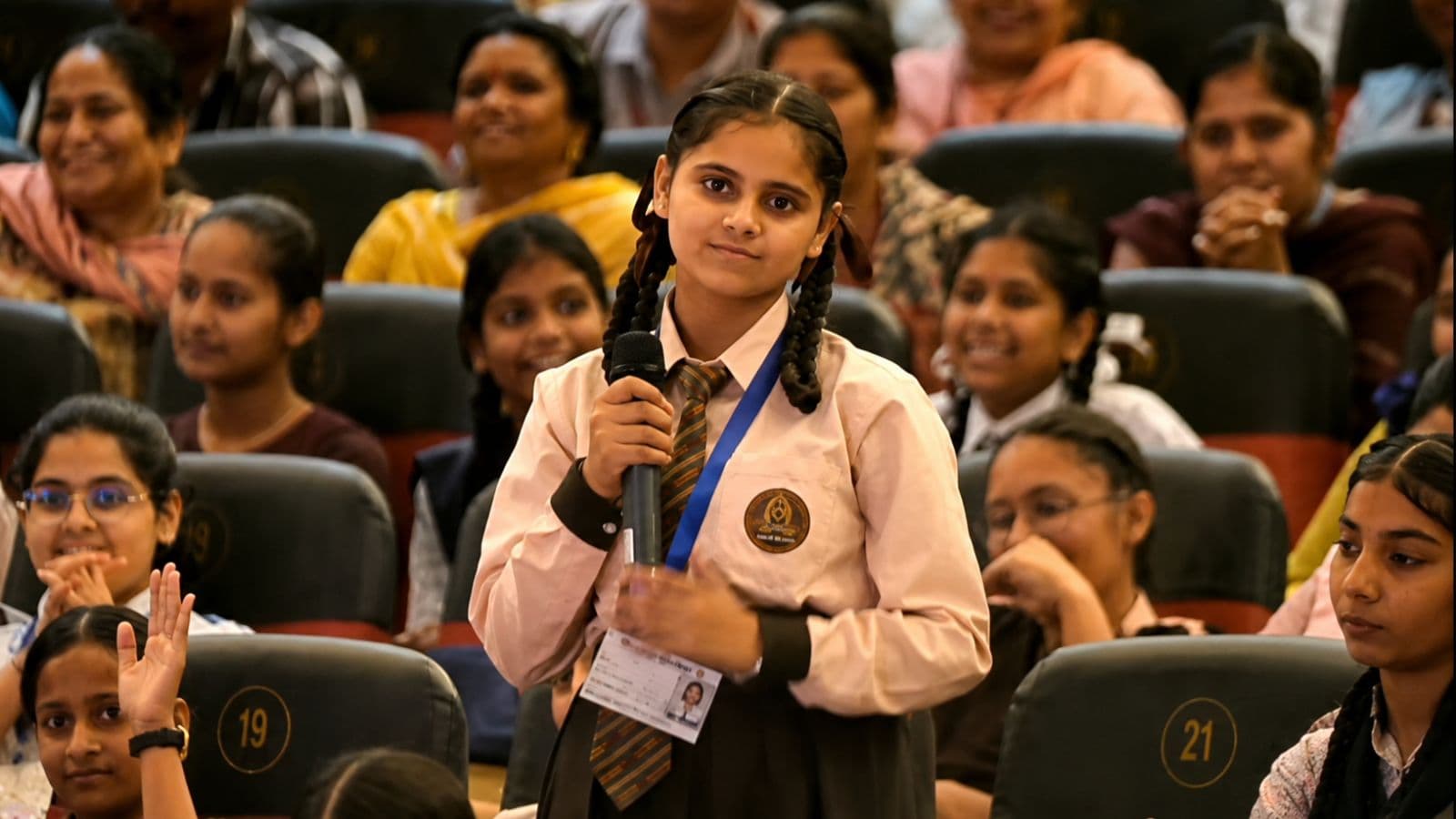
Amritsar student questions age-based ranking, prompting Punjab CM to reform PSEB policies. A significant change towards merit-based recognition is underway.
Indian Express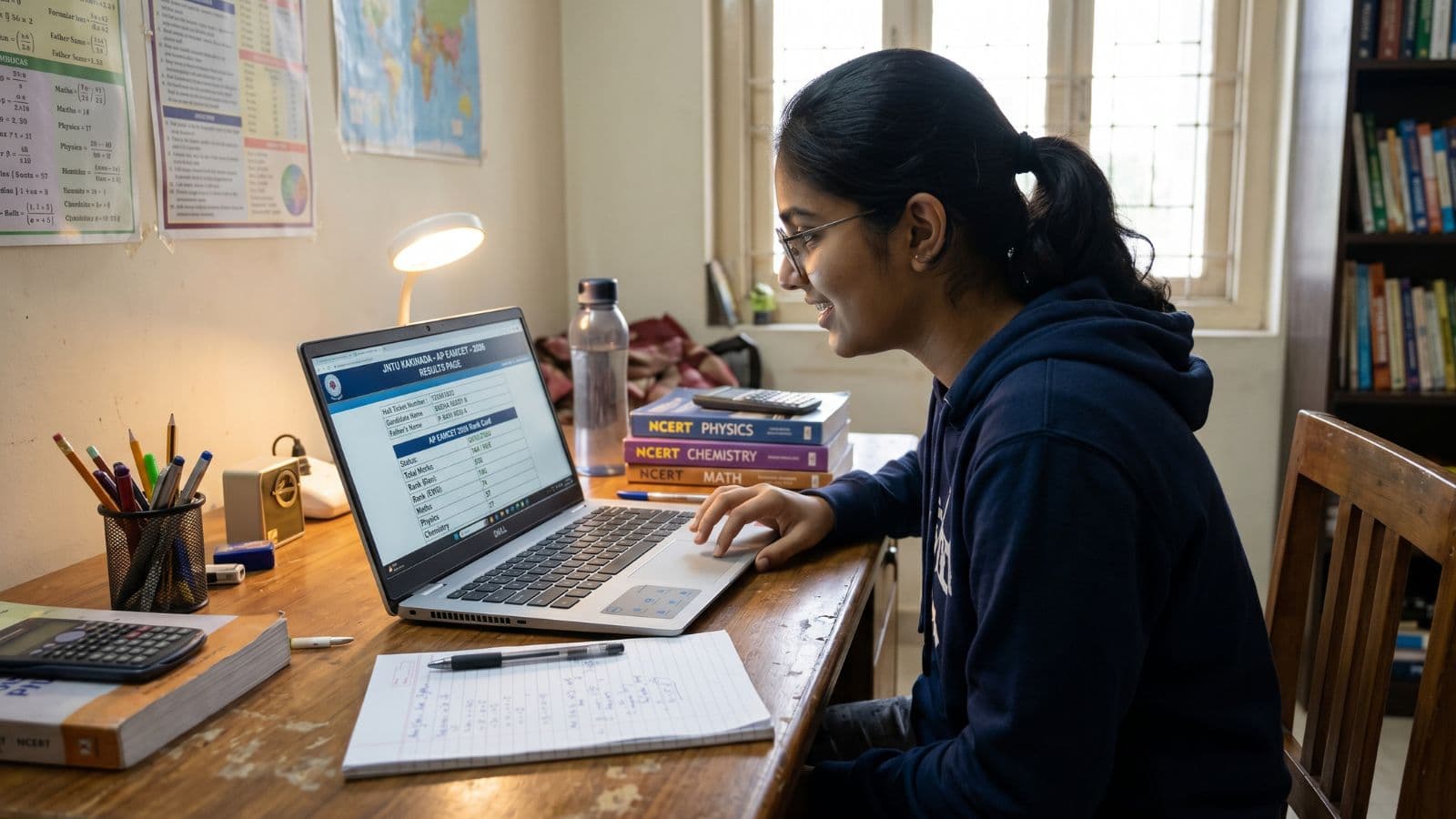
AP EAMCET 2026 results are out! Discover how to check your scorecard and navigate the upcoming counselling process for college admissions.
Indian Express
CBSE's new OSM system faces backlash as students struggle with re-evaluation. Will their futures be jeopardized by technical flaws?
Indian Express