

Image: The Guardian World
At least 23 dead and 100 injured in shocking bombings in Maiduguri, Nigeria, raising alarms over the resurgence of Boko Haram violence. What’s next?
GlipzoIn a tragic turn of events, 23 individuals have lost their lives and over 100 have been injured following a series of suspected suicide bombings in Maiduguri, located in north-eastern Nigeria. This shocking incident occurred on a Monday evening, when the explosions targeted high-traffic areas such as the post office, the bustling Monday market, and the entrance to the University of Maiduguri Teaching Hospital. The attacks unfolded during iftar, the meal that breaks the fast during the holy month of Ramadan, shattering the city's recent reputation for relative calm.
These bombings recall a dark period in Maiduguri's history. The post office and market areas were frequent targets of suicide bombers during the height of the Boko Haram insurgency, which turned Maiduguri into a conflict hotspot. In fact, ten years ago, 58 people were killed and more than 140 injured in a series of blasts in these very locations, marking one of the bloodiest days in the city's past.
The latest explosions come just after an assault on a military installation on the outskirts of Maiduguri. Although no group has officially claimed responsibility for these latest attacks, Nigerian officials have pointed the finger at suspected Boko Haram terrorist suicide bombers, who are believed to have used improvised explosive devices (IEDs) to carry out these deadly acts. According to military spokesperson Sani Uba, “The cowardly attacks targeted crowded public areas in an attempt by the terrorists to inflict mass casualties and create panic within the metropolis.”
The violence is symptomatic of a much larger crisis in the region, where over 2 million people have been displaced and countless lives have been lost due to the ongoing conflict against Boko Haram and its offshoots, such as the Islamic State West Africa Province (ISWAP). These groups have been engaged in a relentless struggle against the Nigerian government, aiming to establish an Islamic caliphate and impose their extremist ideology.
Boko Haram was established in 2002, but its operations escalated significantly following the extrajudicial killing of its founder, Mohammed Yusuf, in July 2009. Under the leadership of Abubakar Shekau, the group became increasingly aggressive, leading to a split and the emergence of ISWAP as a dominant faction. This fragmentation has led to violent turf wars among rival groups, contributing to the ongoing instability in the region.
Historically, most of the violence has occurred in rural areas outside Maiduguri, which was once the epicenter of the insurgency. The last major attack within the city limits occurred in 2021, until a Christmas Eve bombing at a mosque killed five people last year, sparking fears that the insurgency was re-emerging. This mosque attack coincided with U.S.-led airstrikes aimed at IS militants in northwestern Nigeria, emphasizing the complexities of the conflict.
In response to the increasing violence, Borno Governor Babagana Zulum issued warnings last April about the potential resurgence of jihadist activity. His concerns were not taken lightly, as they have led to a contentious relationship with federal authorities. Many observers believe his insights into the threats posed by Boko Haram and ISWAP were overlooked, contributing to the devastating events in Maiduguri.
On Tuesday, President Bola Tinubu, while on a state visit to the UK, indicated that he had ordered security chiefs to relocate to Maiduguri. His directive aims to “take charge of the situation” and to “locate them, confront them and completely defeat them.” This decisive action underscores the Nigerian government's commitment to addressing the resurgence of violence, but it also raises questions about the effectiveness of existing security measures in the region.
The events in Maiduguri are not just a local issue; they reflect broader challenges facing Nigeria and the West African region. As violence escalates, the humanitarian crisis deepens, with millions of displaced individuals requiring urgent assistance. The resurgence of attacks undermines stability and threatens any gains made in the fight against terrorism.
In the coming weeks, the focus will be on the government's response and whether security measures can effectively address the threat posed by Boko Haram and ISWAP. The international community will also be watching closely, as the situation could have far-reaching implications for regional security and humanitarian efforts.
As Maiduguri grapples with the aftermath of these bombings, several pivotal factors will influence the future. Key among them is the effectiveness of President Tinubu's directives to security forces and whether they can successfully thwart further attacks. Additionally, the ongoing humanitarian crisis in Borno state requires urgent attention, with millions in need of aid and support.
The situation remains fluid, and vigilance is essential as the residents of Maiduguri seek to rebuild their lives in the face of adversity. The world will be watching how Nigeria responds to this latest wave of violence and what steps are taken to ensure the safety and security of its citizens.
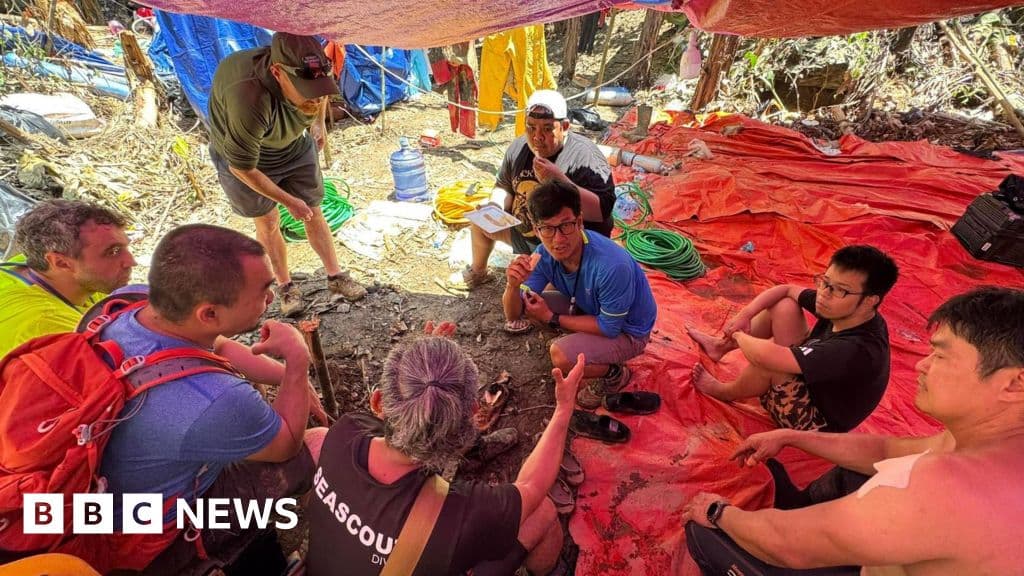
Survivors of the Laos cave rescue are aiding efforts to find the last two missing men trapped inside, sharing crucial insights for the search operation.
BBC World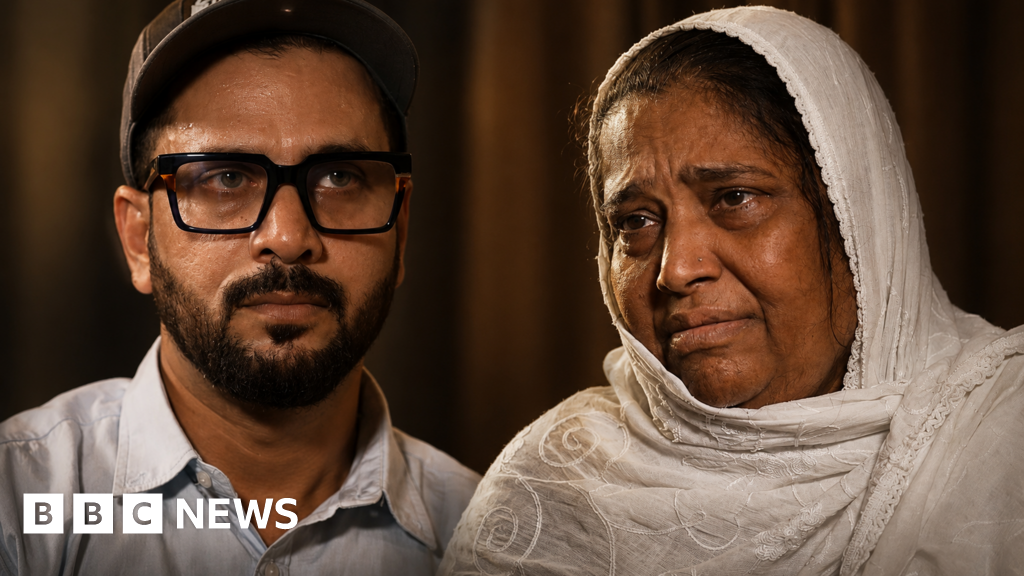
A year after the tragic Air India crash, the Ali family reflects on grief, unanswered questions, and the enduring bonds of love in the face of loss.
BBC Business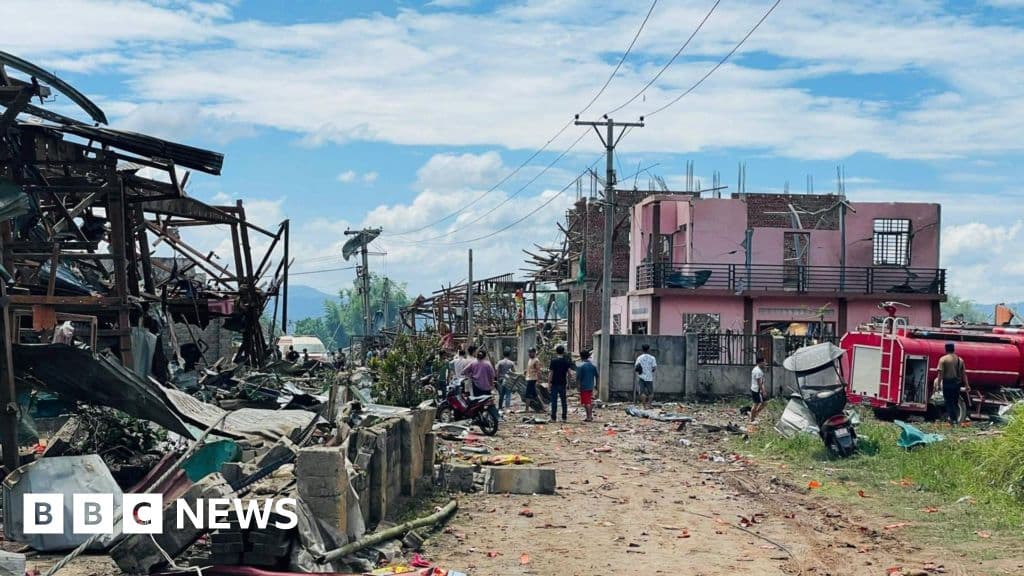
A devastating explosion in Myanmar's Kaung Tat village has killed at least 55 people, raising serious safety concerns and questions about civilian protection in conflict zones.
BBC World