

Image: The Hindu
LPG refill backlogs are causing wait times of up to 45 days, especially in rural areas. Discover how distributors are managing this crisis.
GlipzoIn a troubling update for consumers, LPG cylinder refill backlogs are affecting many households across India, with wait times stretching from four to twelve days in urban areas. However, residents in rural and hilly regions face even steeper challenges, as they may need to wait up to 45 days just to make a booking. This situation is causing significant concern among families reliant on cooking gas for daily needs.
The situation has arisen due to ongoing restrictions on bookings, which have forced distributors to focus on clearing existing backlogs with limited supply. A distributor from Chennai noted that while panic bookings have decreased, the backlog remains a pressing issue. “People now are coming to the agency to find out when they will get their cylinders. They don’t yell and shout any more,” he remarked, indicating a shift in customer behavior as they adjust to the current reality.
As the demand for LPG refills remains high, distributors across various regions are facing immense pressure to fulfill orders. In urban settings, the backlog has been managed more effectively, with wait times decreasing as deliveries resume. However, rural and hilly areas, where logistics are more complex, continue to struggle. The disparity in service levels highlights the challenges posed by geographical factors, making it difficult for distributors to meet customer needs promptly.
This ongoing situation raises questions about the effectiveness of current distribution strategies and whether additional measures are necessary to alleviate the burden on both distributors and consumers.
The delays in LPG refills are not merely an inconvenience; they pose serious implications for households across India. Cooking gas is a staple for many households, impacting food preparation, hygiene, and overall living standards. Extended wait times can lead to increased reliance on alternative cooking methods, which may not be as safe or efficient.
The government and industry stakeholders must take note of these challenges, as prolonged backlogs could lead to increased dissatisfaction among consumers, potential safety hazards, and a shift back to more traditional cooking methods that rely on wood or coal. It’s essential for policymakers to consider solutions that will ensure a more reliable supply chain for LPG refills.
As the situation continues to evolve, several key factors will determine how quickly and effectively the LPG supply chain can be stabilized:
1. Government Intervention: Potential government measures could include increased resource allocation for LPG distribution or adjustments to booking restrictions. 2. Technological Innovations: Enhanced tracking and logistics technologies might help improve delivery efficiency. 3. Consumer Behavior: As customers adjust to the current limitations, understanding their needs will be crucial for distributors to maintain service levels.
Looking ahead, it will be important to monitor how these factors play out over the coming months. The efficiency of LPG distribution not only affects consumer satisfaction but also speaks to larger issues of energy accessibility and economic stability in the region. Stakeholders must remain vigilant and responsive to the changing dynamics of the market.
In summary, while the situation regarding LPG refills is gradually improving, significant challenges remain, particularly for rural areas. Continued attention and action will be necessary to ensure that all consumers have reliable access to essential cooking gas.
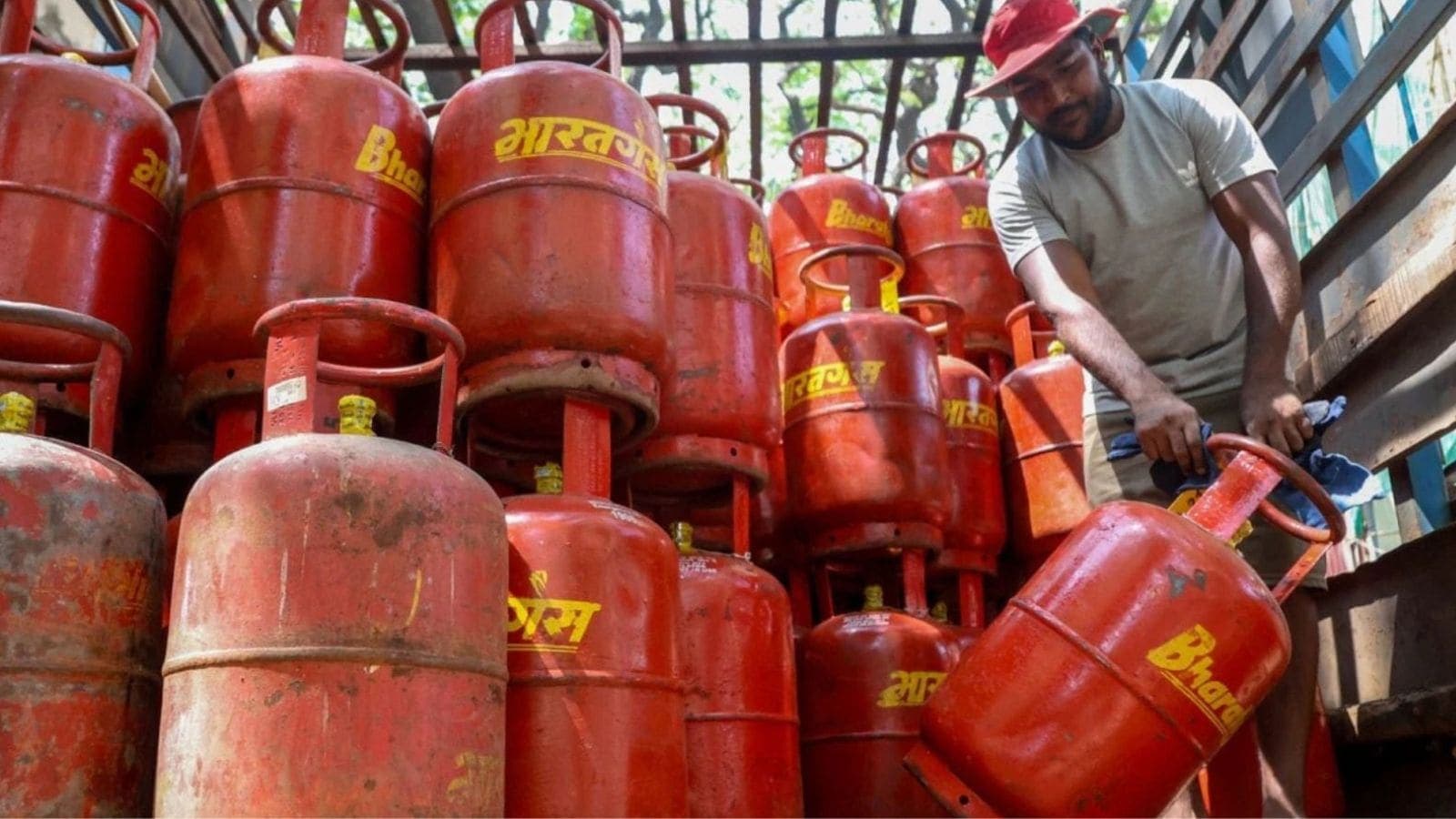
Commercial LPG prices have risen again, with increases of ₹42 in Delhi and ₹53.50 in Kolkata impacting businesses and consumers alike. Find out more.
Indian Express
Discover how a tragic coal mine explosion in Shanxi, China, reveals ongoing safety concerns in the industry amidst a push for green energy.
BBC Business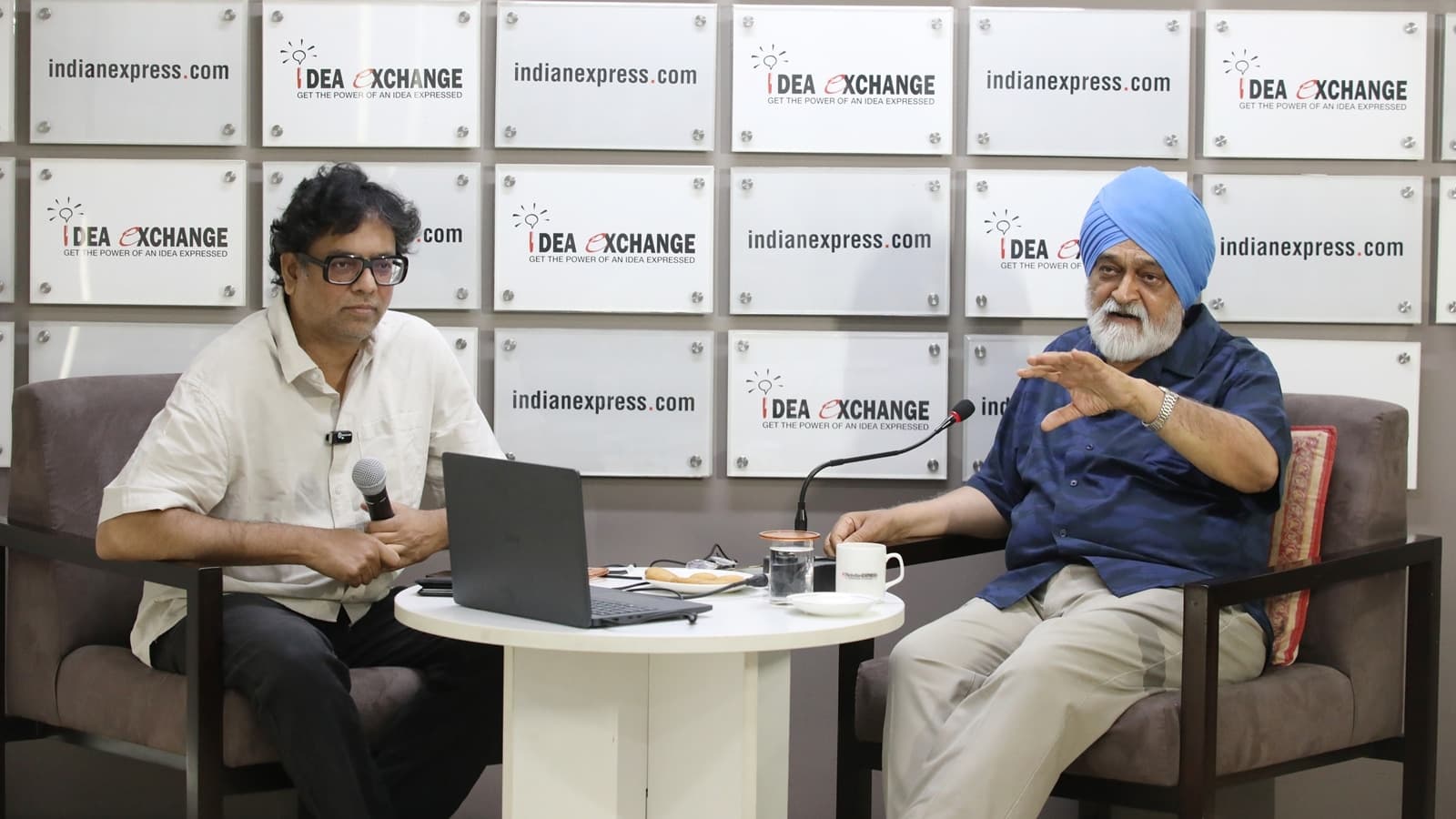
Montek Singh Ahluwalia highlights key economic challenges for India, emphasizing the need for a strategic approach to balance payments and investment.
Indian Express