
Image: Ars Technica
Gamers express strong dissatisfaction with Nvidia's DLSS 5, criticizing its generative AI features and potential impact on artistic integrity in gaming.
GlipzoSince the debut of Deep Learning Super Sampling (DLSS) technology on the RTX 2080 graphics cards in 2018, the gaming community has largely viewed it as a boon, leveraging machine learning to enhance graphics and frame rates. However, with the recent announcement of DLSS 5, Nvidia appears to have crossed a significant threshold by integrating generative AI to overhaul lighting and textures in games—an update that has sparked widespread outrage among gamers and industry professionals alike.
Nvidia's upcoming DLSS 5, slated for release in Autumn 2026, has been described as a “real-time neural rendering model.” According to Nvidia's CEO Jensen Huang, this technology promises to deliver a level of photorealism previously reserved for Hollywood productions. Huang emphasized that DLSS 5 merges “generative AI” with “handcrafted rendering,” aiming for a significant improvement in visual realism while still allowing artists the freedom to maintain their creative vision.
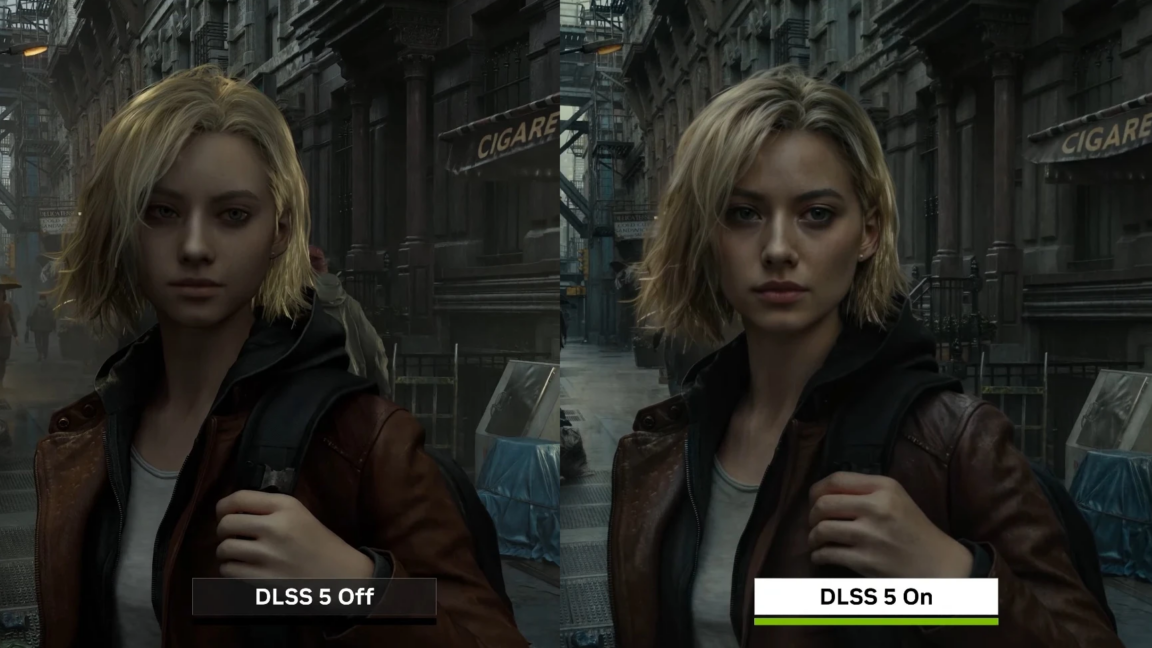
Unlike past iterations, which primarily focused on upscaling frames or filling in gaps, DLSS 5 claims to utilize a game's internal color and motion vectors. This allows it to infuse scenes with photorealistic lighting and materials that are supposed to remain consistent throughout gameplay. The system is designed to grasp complex scene semantics, including character features, fabric details, and varying lighting conditions.
While Nvidia's announcement video and a detailed Digital Foundry analysis showcased the potential of DLSS 5, the response from the gaming community has been overwhelmingly negative. Many players have criticized the technology for producing in-game characters that resemble over-polished, uncanny valley versions of their original designs. Online responses have likened the visuals to “air-brushed pornography,” “yassified, looks-maxed freaks,” and even to the infamous ads for Evony.
Critics have pointed out that DLSS 5 undermines the intended art direction of games, often resulting in a homogenized aesthetic that dampens shadows and character detail. Some game developers have echoed these sentiments, arguing that the technology appears to strip away artistic intent. Mike Bithell, the creator of Thomas Was Alone, remarked that DLSS 5 seems tailored for scenarios where artistic direction is not a priority. Similarly, Jeff Talbot, Senior Concept Artist at Gunfire Games, expressed his dismay, stating that each DLSS 5 image looked worse than the original, compromising character and uniqueness.
The backlash has attracted attention from various industry figures. Dave Oshry, founder and CEO of New Blood Interactive, shared his frustration, stating that the advancements in DLSS 5 are “actually depressing.” He lamented that future generations might not recognize the inferior quality of these visuals, as they could become the norm.
In an attempt to mitigate the backlash, Nvidia has engaged with critics in the comments section of its YouTube trailer, asserting that DLSS 5 should not be viewed merely as a filter. The company insists that game developers will retain comprehensive artistic control, enabling them to adjust the intensity and color grading of the effects or disable them in areas where they may detract from the intended experience.
As the gaming community continues to react strongly to Nvidia's DLSS 5 announcement, all eyes will be on how the technology evolves before its release. With major publishers like Bethesda partnering with Nvidia for this initiative, it remains to be seen how they will adapt the technology to align with their artistic goals. Bethesda has indicated that the showcased videos represent only an early look, hinting at potential refinements ahead.
In conclusion, while Nvidia aims to revolutionize gaming visuals with DLSS 5's generative AI, the initial reactions highlight a significant divide. Gamers and developers are voicing their concerns about the technology's impact on artistic integrity, leaving Nvidia with the challenge of addressing these issues effectively before the official launch. As we approach Autumn 2026, the dialogue surrounding DLSS 5 will likely evolve, shaping the future of graphics technology in gaming.

Nvidia's new RTX Spark chip aims to transform personal computing with AI, marking a significant shift in technology. Discover what this means for consumers.
BBC Business
The explosion of Blue Origin's New Glenn rocket raises significant concerns over NASA's lunar ambitions and the future of Amazon's satellite projects. Discover the implications.
BBC Science
Discover how Meta's lack of engagement on user bans raises critical concerns about accountability and transparency in social media governance.
BBC Technology