
Image: BBC World
Hundreds of activists deported from Israel after Gaza flotilla incident spark international outrage. Countries demand accountability and human rights protections.
GlipzoIn a significant development, hundreds of pro-Palestinian activists who were detained in Israel after their flotilla aimed at providing symbolic aid to Gaza was intercepted have been deported. The confirmation from Israeli authorities comes amid a growing international outcry regarding the treatment of these activists. The flotilla, known as the Global Sumud Flotilla, was part of a broader movement advocating for humanitarian aid to the Palestinian territories.
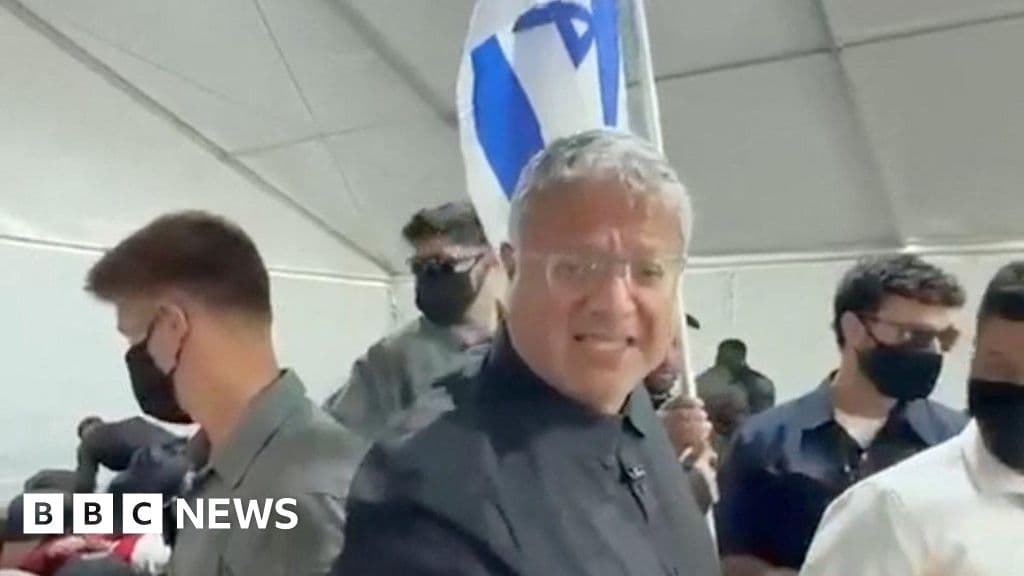
The situation escalated dramatically when a video surfaced of Itamar Ben Gvir, Israel's far-right National Security Minister, mocking the detained activists who were kneeling with their hands bound. This footage has sparked outrage not only among humanitarian organizations but also at the diplomatic level, with several countries expressing their discontent.
On Thursday, the United Kingdom took a firm stance by summoning Daniela Grudsky Ekstein, Israel's charge d'affaires, to express its strong condemnation of Ben Gvir's conduct. The UK Foreign Office issued a statement underscoring its concerns regarding the treatment of the activists, emphasizing Israel's obligation to uphold the rights of everyone involved. The statement read:
> "We are also deeply concerned by the detention conditions depicted and have demanded an explanation from the Israeli authorities."
Poland also followed suit by summoning Israel's Chargé d'Affaires in Warsaw. Polish Foreign Affairs Minister Radosław Sikorski expressed outrage over the treatment of Polish citizens involved in the flotilla, demanding an apology for Ben Gvir's behavior. He also mentioned that two Polish citizens would soon return home, and there were discussions about banning Ben Gvir from entering Poland.
Adding to the chorus of international criticism, Italy's Foreign Affairs Minister Antonio Tajani called for the European Union to consider sanctions against Ben Gvir due to the unacceptable treatment of the activists. He highlighted the harassment and humiliation these individuals faced, labeling it a violation of fundamental human rights.
The backlash was not confined to Europe. Countries such as the United States, France, Greece, the Netherlands, Canada, and Ireland have also denounced the incident. Even Israeli Prime Minister Benjamin Netanyahu criticized Ben Gvir's actions, stating they were "not in line with Israel's values."
Reports from Adalah, a human rights organization in Israel representing the detainees, indicated that many activists suffered serious injuries, with at least three requiring hospitalization after their treatment in custody. The Israeli government has yet to address these claims publicly.
Two members of the flotilla, Italian politician Dario Carotenuto and journalist Alessandro Mantovani, shared their harrowing experiences upon their arrival in Rome. They reported being beaten during their detention, highlighting the urgent need for accountability and reform in handling such situations.
In response to the incident, Turkey's Foreign Minister Hakan Fidan announced that special flights would be arranged to repatriate Turkish citizens and other participants from the flotilla. A total of 422 activists were flown from southern Israel on three planes operated by Turkish Airlines, including 85 Turkish nationals and 37 French citizens. Upon their arrival at Istanbul Airport, they were met with a warm welcome, wearing traditional keffiyehs.
Furthermore, Spain's Foreign Minister reported that approximately 44 Spanish flotilla members were also set to depart from Israel. Meanwhile, Ireland's Minister for Foreign Affairs confirmed that 15 Irish citizens, including Dr. Margaret Connolly, sister of the Irish President, were expected to be flown to Turkey soon.
In a statement, Israel's Ministry of Foreign Affairs confirmed:
> "All foreign activists from the PR flotilla have been deported from Israel. Israel will not permit any breach of the lawful naval blockade on Gaza."
As the dust settles, the implications of this incident could be far-reaching. The international community's response raises questions about the future of humanitarian efforts in the region and Israel's diplomatic relations with various countries.
The deportation of these activists and the surrounding controversy highlight the delicate balancing act Israel must maintain between security interests and international humanitarian obligations. As the situation evolves, activists and governments worldwide will likely continue to advocate for the rights of those affected by the Israeli blockade.
Watch for potential diplomatic fallout as countries reassess their relationships with Israel and call for accountability regarding human rights violations. The demand for change and the protection of rights for all individuals involved in humanitarian efforts may well become a central theme in future discussions about the Israeli-Palestinian conflict.
In summary, the recent events surrounding the Global Sumud Flotilla underscore the ongoing tensions in the region and the global community's role in advocating for human rights. As activists return home, the calls for justice and accountability may only be beginning.
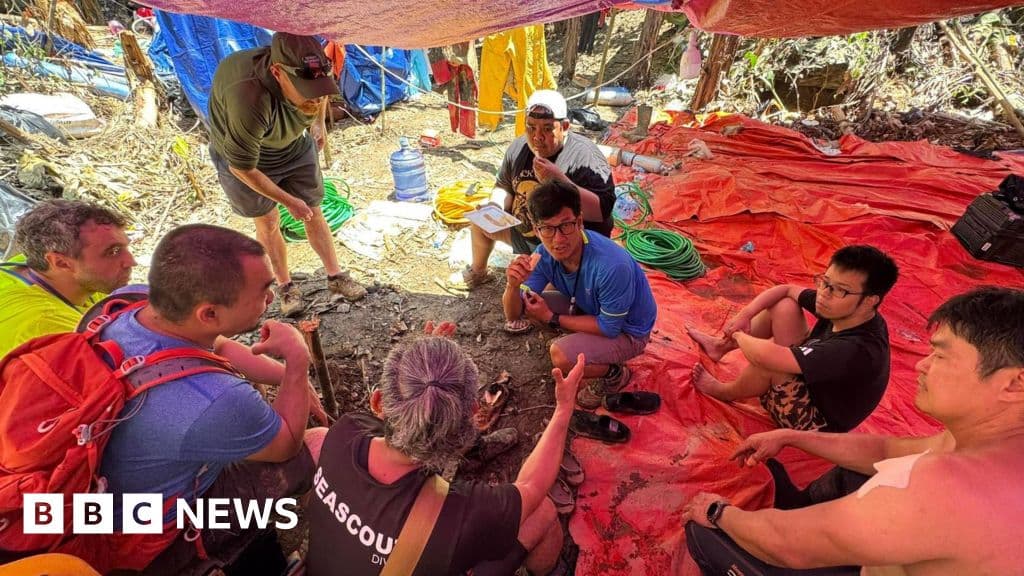
Survivors of the Laos cave rescue are aiding efforts to find the last two missing men trapped inside, sharing crucial insights for the search operation.
BBC World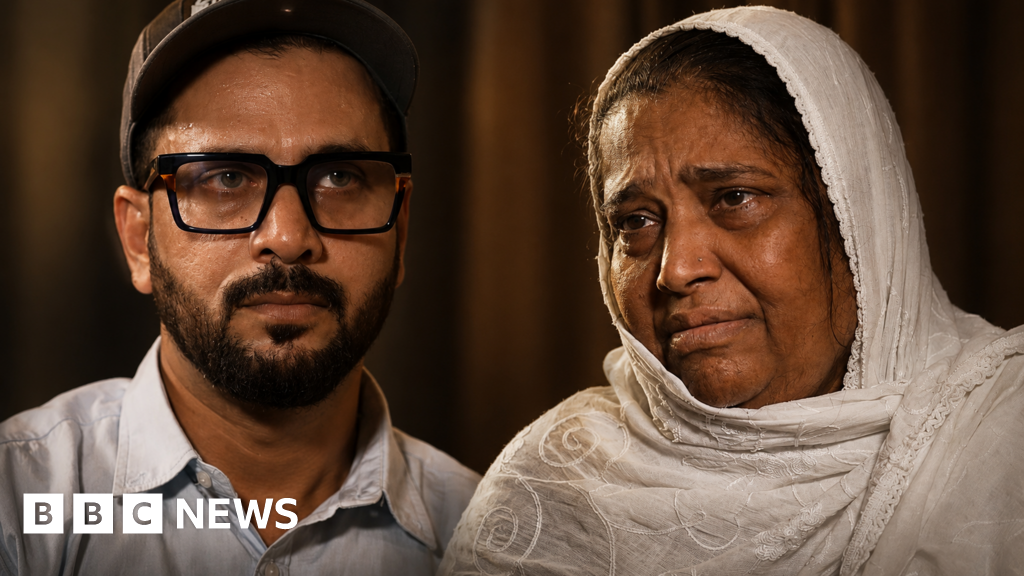
A year after the tragic Air India crash, the Ali family reflects on grief, unanswered questions, and the enduring bonds of love in the face of loss.
BBC Business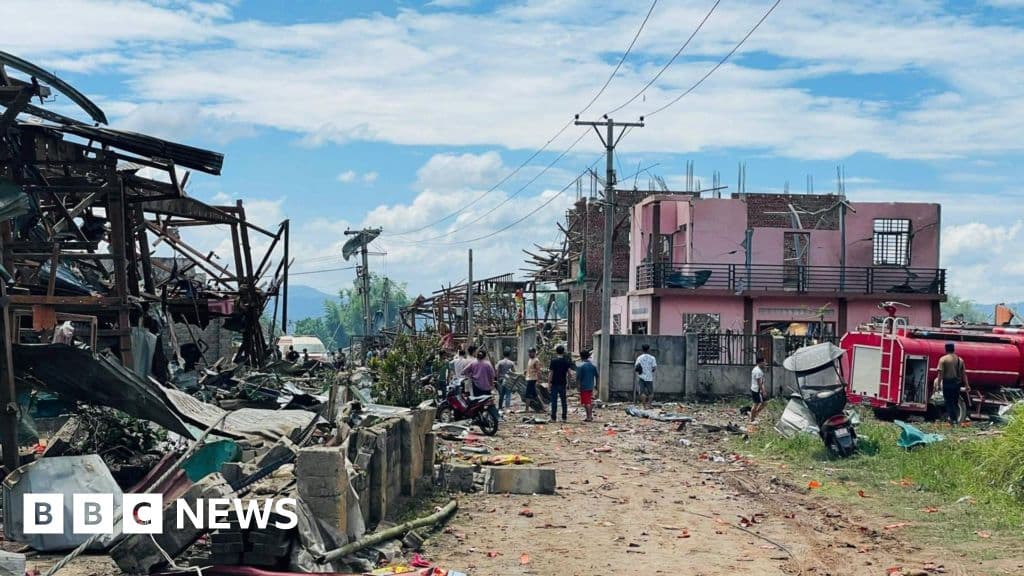
A devastating explosion in Myanmar's Kaung Tat village has killed at least 55 people, raising serious safety concerns and questions about civilian protection in conflict zones.
BBC World