
Image: BBC World
Major Asian stock markets plunge as U.S.-Iran tensions rise. What does this mean for global energy prices and economic stability? Find out more.
GlipzoAsian stock markets faced a significant downturn on Monday as escalating tensions between the United States and Iran cast a shadow over investor confidence. With the Iran conflict now entering its fourth week, major indices such as Japan's Nikkei 225 and South Korea's Kospi experienced sharp declines, reflecting the broader concerns surrounding global energy security and market stability.
In morning trading, Japan's Nikkei 225 index dropped by 3.4%, while South Korea's Kospi plunged nearly 5%. These declines are particularly alarming given the critical role both nations play in global supply chains and their heavy reliance on oil and gas passing through the Strait of Hormuz.
The situation escalated over the weekend when U.S. President Donald Trump issued a stark warning to Iran, threatening to "obliterate" Iranian power plants unless the country allowed free passage through the crucial shipping lane. In a direct response, Iranian officials indicated they would retaliate against any U.S. strikes, targeting vital infrastructure, including energy facilities in the region.
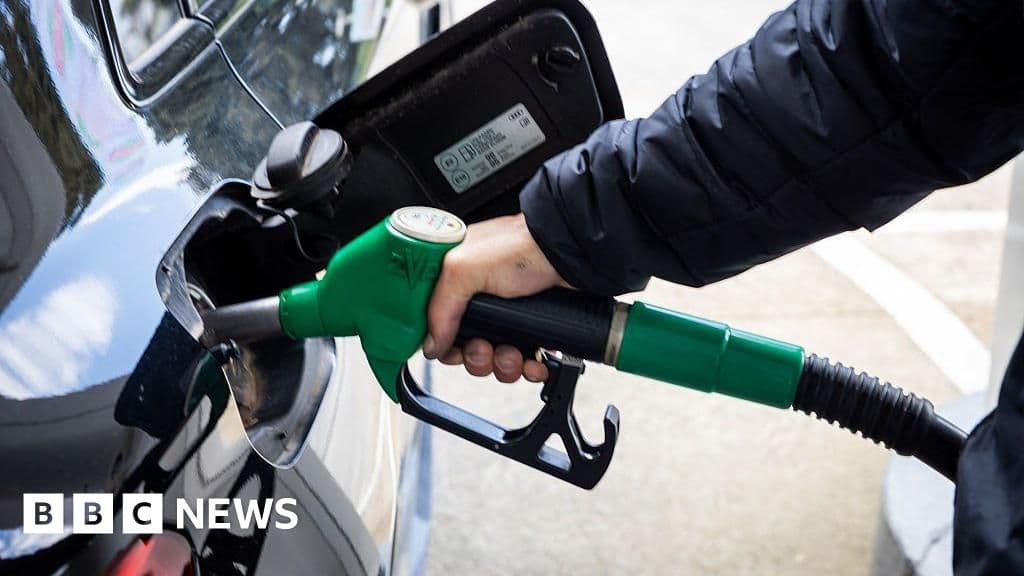
The Strait of Hormuz is a vital maritime passage, responsible for approximately 20% of the world’s oil and liquefied natural gas (LNG) shipments. Iran has effectively blocked this passage since a U.S. and Israeli attack on February 28, further straining global energy markets. The ongoing conflict has already caused fuel prices to surge, making consumers and businesses alike increasingly anxious about rising costs.
On Monday, Fatih Birol, the head of the International Energy Agency (IEA), warned that the ongoing conflict could trigger the worst energy crisis the world has faced in decades. Speaking at the National Press Club in Canberra, Australia, Birol drew comparisons to the oil crises of the 1970s and the impact of Russia's invasion of Ukraine in 2022.
He stated, "This crisis, as things stand, is now two oil crises and one gas crash put all together." The urgency of the situation was underscored by Trump's remarks, which emphasized a 48-hour timeframe for Iran to comply with U.S. demands to open the Strait.
Following Trump's threats, Iranian officials have made it clear that they would respond decisively to any attacks on their power plants. Mohammad Bagher Ghalibaf, the Iranian parliament speaker, stated that such strikes would lead to the "irreversible destruction" of the region's energy and desalination infrastructure. This rhetoric indicates a potential escalation in military action, which could have dire consequences for regional stability and energy supplies.
Other markets across the Asia-Pacific region mirrored the bearish sentiment on Monday, with Hong Kong's Hang Seng Index dipping by 2.5% and Taiwan's Weighted Index falling 2%. Investors are closely monitoring these developments, as any further escalation could lead to even more significant market turmoil.
Despite the turmoil, global oil prices showed relative stability, with Brent crude trading down by 0.2% at $112 per barrel, while U.S.-traded oil rose by 0.3% to $98.57. However, these prices remain historically high, and further disruptions could drive them even higher, exacerbating inflationary pressures worldwide.
As the conflict unfolds, market analysts are raising concerns about potential fuel shortages and the broader economic ramifications. The impact of rising fuel costs could ripple through various sectors, from transportation to manufacturing, ultimately affecting consumers.
The ongoing tensions between the U.S. and Iran are not only a matter of regional security; they have far-reaching implications for global economic stability. An escalation in military conflict or a prolonged closure of the Strait of Hormuz could lead to skyrocketing energy prices, prompting a global economic slowdown and affecting millions of consumers and businesses.
With the stakes higher than ever, investors and policymakers alike will be watching closely for any signs of de-escalation or further military actions. The potential for a diplomatic resolution remains uncertain, but the consequences of inaction could be dire.
As we move forward, all eyes will be on how both the U.S. and Iranian governments respond to the escalating situation. Key points to watch include: - Any diplomatic efforts to ease tensions in the region. - Developments in military actions or retaliatory strikes. - Changes in global oil supply and pricing trends.
The outcome of this conflict could reshape not only energy markets but also international relations in the Middle East for years to come. Investors should brace for continued volatility as the situation develops, and consumers should prepare for potential increases in fuel costs as this geopolitical crisis unfolds.
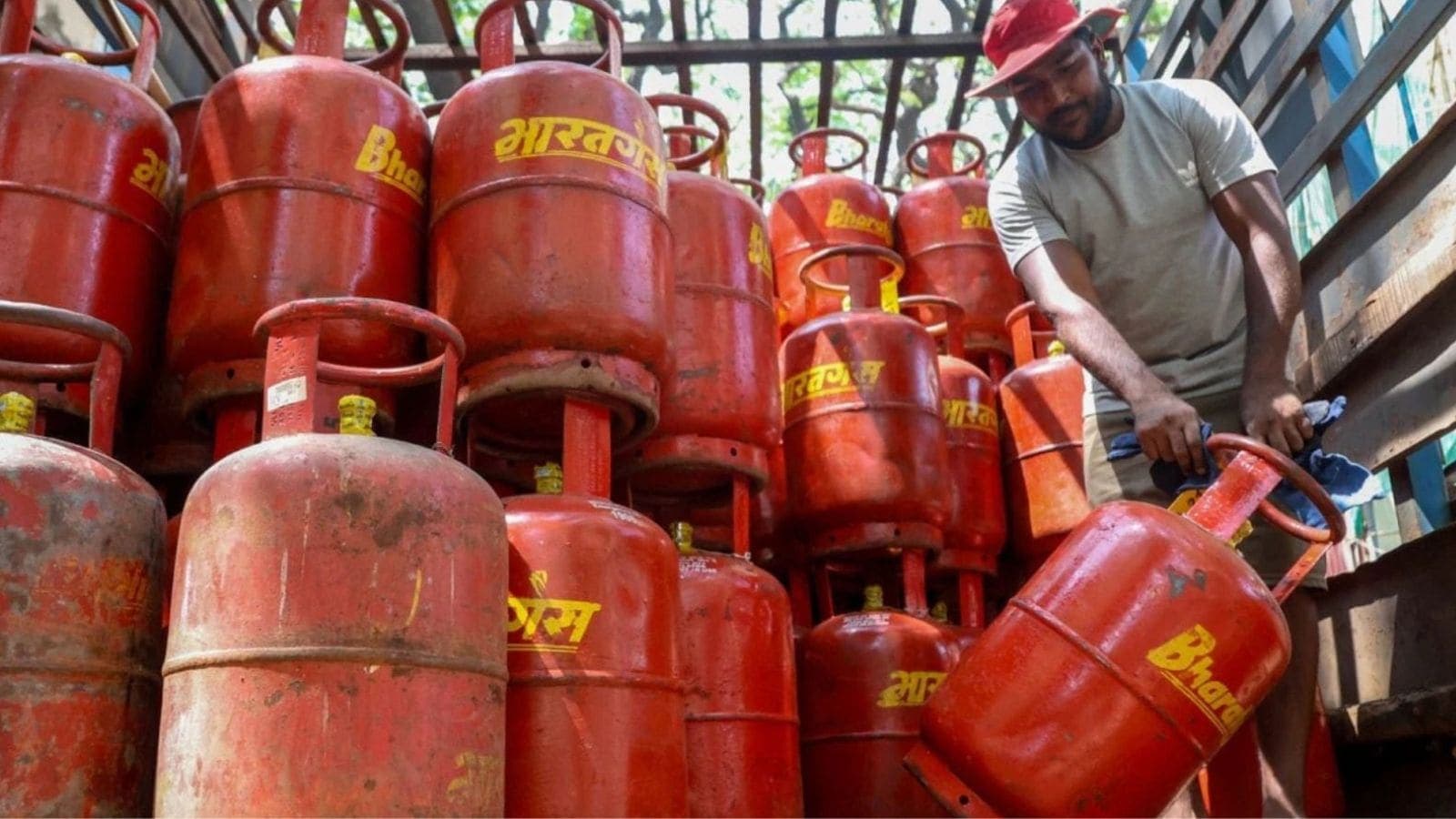
Commercial LPG prices have risen again, with increases of ₹42 in Delhi and ₹53.50 in Kolkata impacting businesses and consumers alike. Find out more.
Indian Express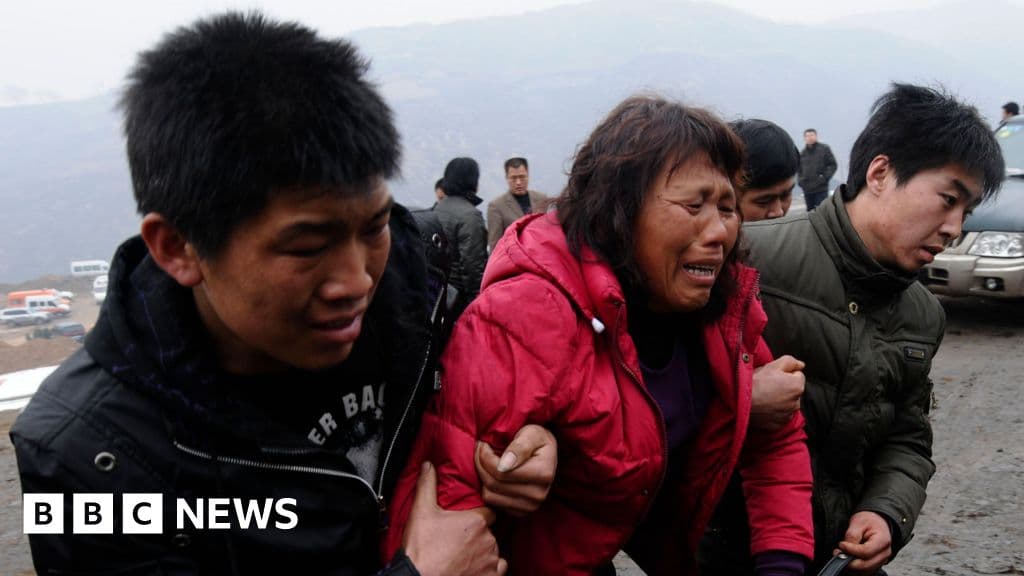
Discover how a tragic coal mine explosion in Shanxi, China, reveals ongoing safety concerns in the industry amidst a push for green energy.
BBC Business
Montek Singh Ahluwalia highlights key economic challenges for India, emphasizing the need for a strategic approach to balance payments and investment.
Indian Express