
Image: Indian Express
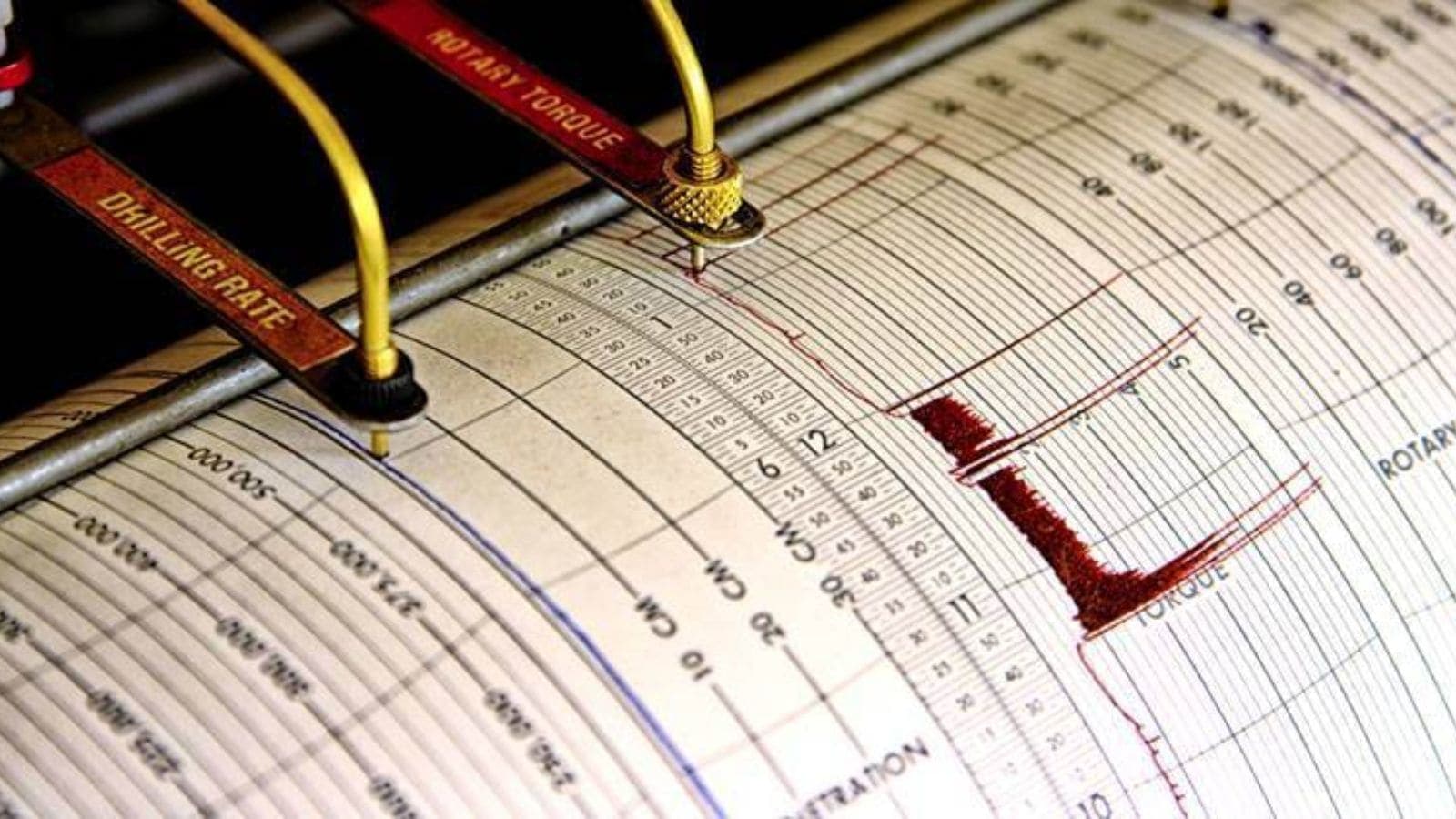
A 6.2 magnitude earthquake shook northern Japan Monday, but no damage or injuries were reported. What does this mean for the region's seismic safety?
GlipzoIn a startling early morning event, a 6.2 magnitude earthquake rocked northern Japan on Monday, yet fortunately, no damage or injuries have been reported. The tremor struck 18 kilometers west of Sarabetsu, a small town on the Hokkaido island, at a depth of 81 kilometers. The US Geological Survey measured the quake at 6.1 magnitude, highlighting the seismic activity in this region.
Despite the substantial magnitude, the Japan Meteorological Agency has confirmed that no tsunami advisory was issued, which is a relief for residents and authorities alike. This earthquake occurs just days after a more powerful 7.7 magnitude quake rattled the northeastern coastal areas, prompting heightened concerns about potential future seismic events in the region.
Japan is no stranger to seismic events, given its location along the Ring of Fire, where tectonic plates frequently collide. The recent 7.7 magnitude earthquake had already raised alarms about a possible megaquake, emphasizing the ongoing risk that Japan faces from seismic activity. The Japan Meteorological Agency had initially warned about the elevated risk, and the occurrence of the 6.2 quake may serve as a reminder of the nation’s vulnerability to natural disasters.
What you need to know about Japan's seismic activity: - Japan is located on the Pacific Ring of Fire, making it prone to earthquakes. - The recent quake occurred at a depth of 81 kilometers, which is relatively deep and often results in less surface damage. - No tsunami warnings were issued, which is critical for coastal safety.
The frequent seismic activity in Japan poses significant challenges, from disaster preparedness to infrastructure resilience. The nation has invested heavily in earthquake-resistant buildings and strict building codes to mitigate the effects of earthquakes. However, the unpredictability of seismic events means that authorities must remain vigilant at all times.
The recent earthquakes underscore the importance of public awareness and preparedness. Residents in earthquake-prone areas are often advised to have emergency kits ready and to participate in regular earthquake drills.
The implications of these seismic events extend beyond immediate safety concerns. For Japan, the ongoing threat of earthquakes affects various aspects of life, including: - Economic Stability: Frequent earthquakes can lead to costly infrastructure repairs and economic disruptions. - Public Safety: Ensuring that citizens are prepared and safe during seismic events is a priority for local governments. - Global Awareness: As a country that frequently experiences earthquakes, Japan serves as a case study for disaster preparedness and response strategies worldwide.
As Japan continues to navigate the challenges posed by its geological landscape, several key factors will be important to monitor in the coming weeks: - Aftershocks: Following a significant quake, aftershocks are common and can be unpredictable. Residents should remain alert. - Government Response: Monitor how government agencies respond to these events, particularly in terms of public safety initiatives and infrastructure assessments. - Public Preparedness: Increased focus on public awareness campaigns and training exercises may emerge as a result of these recent seismic events.
In conclusion, while the 6.2 magnitude earthquake did not result in any reported damage, it serves as a reminder of Japan's ongoing battle with seismic activity. The importance of preparedness and resilient infrastructure cannot be overstated, as the nation continues to face the realities of being situated in one of the most seismically active regions in the world. As residents and authorities brace for potential aftershocks, the focus will remain on safety and readiness for future quakes.
Key Takeaways: - Japan's recent 6.2 earthquake highlights the nation's geological vulnerabilities. - No damage or tsunami warnings were reported, providing some relief. - The country’s ongoing seismic activity raises awareness for disaster preparedness. - Observers should watch for aftershocks and government responses to ensure safety.
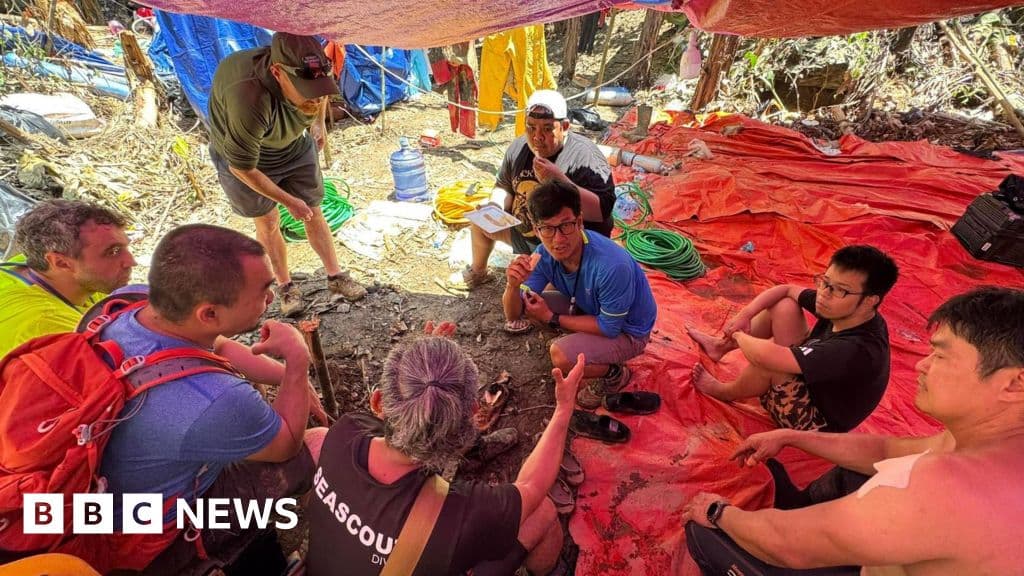
Survivors of the Laos cave rescue are aiding efforts to find the last two missing men trapped inside, sharing crucial insights for the search operation.
BBC World
A year after the tragic Air India crash, the Ali family reflects on grief, unanswered questions, and the enduring bonds of love in the face of loss.
BBC Business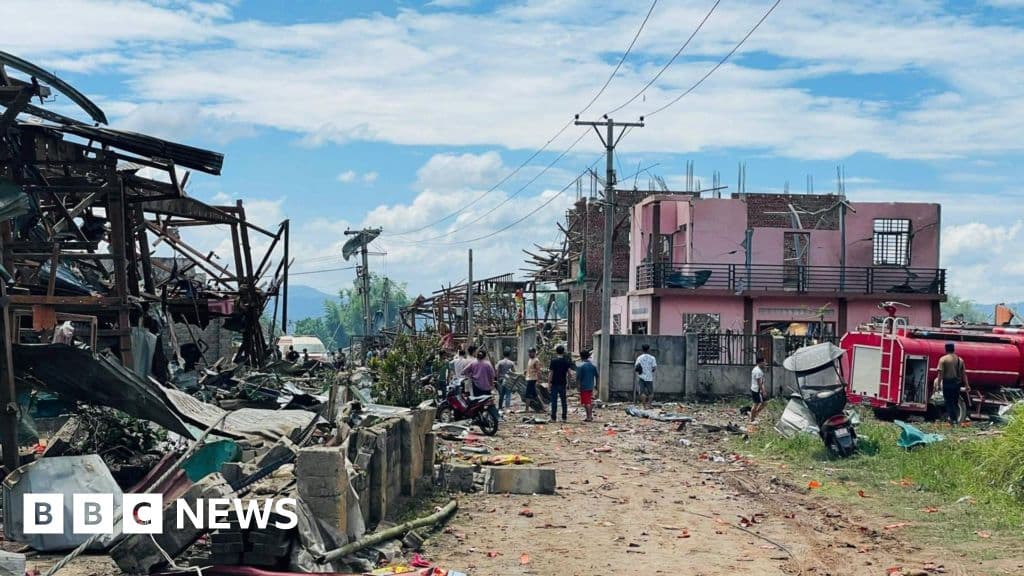
A devastating explosion in Myanmar's Kaung Tat village has killed at least 55 people, raising serious safety concerns and questions about civilian protection in conflict zones.
BBC World