
Image: Indian Express
Maharashtra's government backtracks on its order to remove Ola, Uber, and Rapido from app stores, raising questions about regulatory approaches and legal challenges.
GlipzoIn a dramatic turn of events, Maharashtra's Cyber Department issued notices on Friday to tech giants Apple and Google, demanding the withdrawal of popular ride-hailing applications Ola, Uber, and Rapido from their app stores. This decision stemmed from allegations of illegal bike taxi operations within the state. However, just a day later, the government appeared to backtrack on this aggressive stance, raising questions about the motivations and implications behind such a swift reversal.
The Maharashtra State Cyber Department has stated that their intention is to specifically target illegal bike taxi operations while avoiding disruption to the legitimate services offered by these platforms. A senior official from the department mentioned, "We are trying to work around a way to cease bike taxi operations without blocking all standalone ride-hailing apps." This statement indicates a more nuanced approach is needed to balance regulatory oversight with public transportation needs.
Just 24 hours prior to the government’s retreat, the Additional Director General of Police for Maharashtra Cyber issued a major escalation by invoking Section 79(3)(b) of the Information Technology Act, 2000. This section allows for the removal and disabling of access to applications found to be operating unlawfully. Experts in technology law have pointed out that this move exposes the state to potential legal challenges, suggesting the government may not have fully considered the implications of their actions.
The conflict surrounding bike taxis in Maharashtra is not a new phenomenon. Rapido first initiated operations in November 2020 without obtaining the necessary state approvals. Transport Commissioner Avinash Dhakne had previously indicated that Rapido's application was denied and instructed the company to submit a proposal to the State Transport Authority for consideration, which would evaluate the potential impact of bike taxis on traffic congestion.
In December 2022, Rapido faced another setback when its application for a license was rejected by the Pune RTO due to the lack of a formal regulatory framework. In January 2023, the Bombay High Court took action against Rapido, mandating the suspension of its bike taxi services for a week due to its operation without valid licenses. The state subsequently passed a resolution prohibiting private two-wheelers from functioning as transport vehicles, citing safety concerns.
The Supreme Court upheld the High Court’s decision when Rapido challenged it, sending the case back for further deliberation. Despite ongoing legal pressure, the ride-hailing platforms continued their operations, demonstrating a persistent defiance against regulatory measures.
In a bid to regulate the sector, Maharashtra attempted a fresh approach in September 2025 by granting provisional 30-day licenses to Ola, Uber, and Rapido. This temporary measure was designed to facilitate their transition to electric bike taxis in accordance with the Maharashtra Bike-Taxi Rules 2025. Under these guidelines, only electric two-wheelers painted in a specific color and marked with reflective “bike taxi” lettering were permitted to operate commercially.
However, the ride-hailing platforms failed to comply with these regulations, leading to the revocation of their licenses in March 2026. Despite this, operations continued unabated, prompting the state to issue the contentious notices on May 15.
State Transport Minister Pratap Sarnaik accused the platforms of actively obstructing enforcement efforts by reimbursing fines imposed by the RTO. Between April 2025 and March 2026, enforcement teams identified 715 Rapido-linked bike taxis, 43 from Uber, and 18 from Ola. The fines collected during this period amounted to a staggering Rs 11.85 lakh.
The May 15 notices were grounded in Section 79(3)(b) of the Information Technology Act, allowing the government to direct intermediaries to remove unlawful content. However, legal experts expressed skepticism about this approach. According to tech lawyer Alay Razvi, the notices could face considerable challenges in court since Section 79(3)(b) is typically intended for unlawful content removal, not outright app bans based on service disputes.
Ashutosh Srivastava, a partner at SKV Law Offices, emphasized that Section 69A is the appropriate provision for blocking online services, requiring orders from the central government rather than state cyber notices. The abrupt halt in the government’s actions suggests that these legal concerns may have contributed to the decision to pause the app removals.
The Maharashtra government's retreat signals a critical moment in the ongoing struggle between regulatory authorities and ride-hailing platforms. As the state grapples with how to effectively regulate bike taxis while ensuring public safety, it must also navigate the complex legal landscape that governs digital services.
Moving forward, stakeholders will be watching closely for: - Further legal developments regarding the status of bike taxi operations. - Potential regulatory frameworks that might be proposed to govern the industry more effectively. - Reactions from the ride-hailing platforms and their compliance with emerging regulations.
The outcome of this standoff could reshape the future of ride-hailing services in Maharashtra, influencing how other states approach similar issues across India. As consumers and businesses alike await clarity, the tension between innovation and regulation continues to unfold in this high-stakes arena.
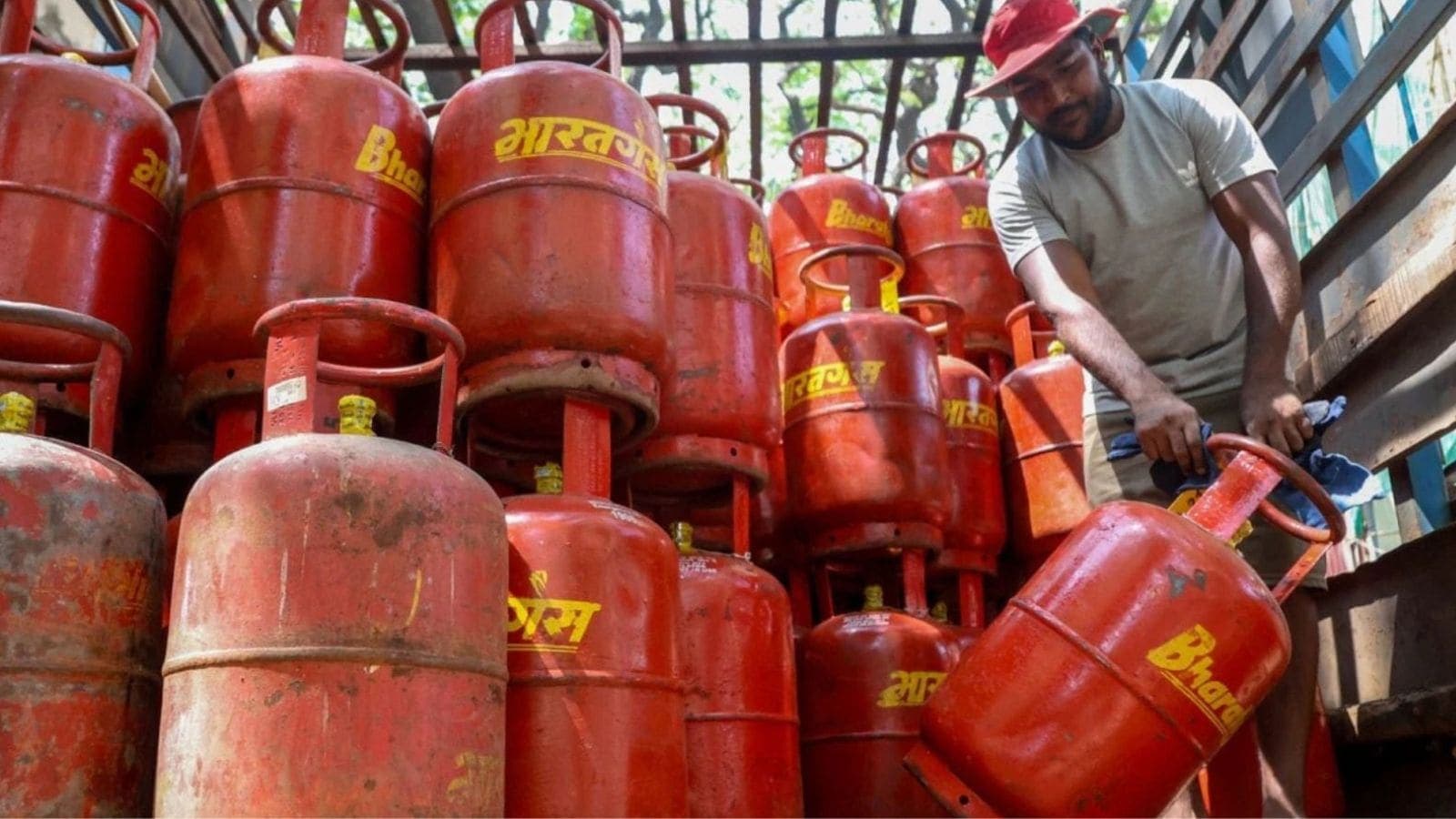
Commercial LPG prices have risen again, with increases of ₹42 in Delhi and ₹53.50 in Kolkata impacting businesses and consumers alike. Find out more.
Indian Express
Discover how a tragic coal mine explosion in Shanxi, China, reveals ongoing safety concerns in the industry amidst a push for green energy.
BBC Business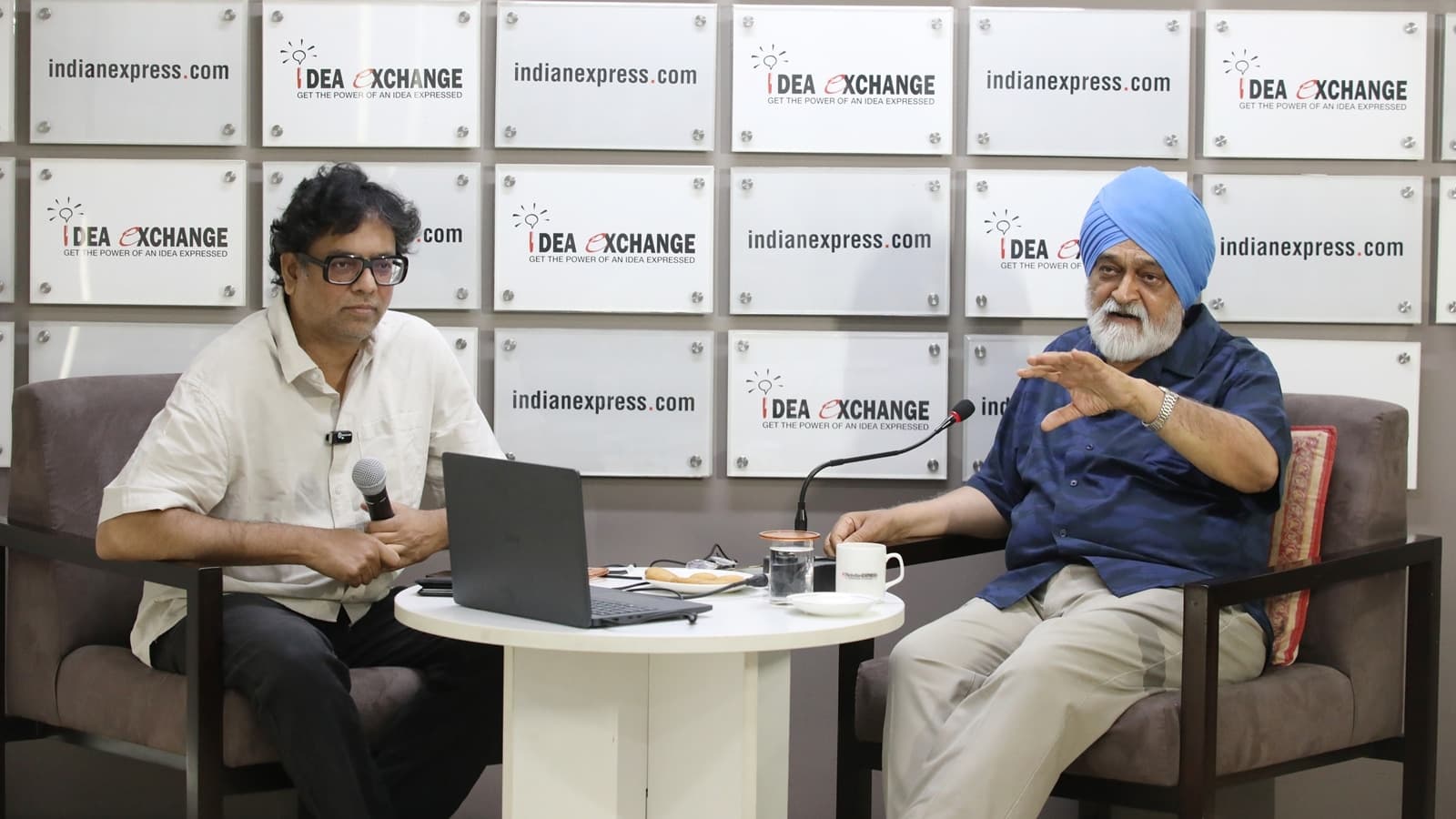
Montek Singh Ahluwalia highlights key economic challenges for India, emphasizing the need for a strategic approach to balance payments and investment.
Indian Express