

Image: Indian Express
Maharashtra targets bike taxis in a crackdown; CBI arrests NEET paper leak mastermind. Explore implications for safety, education, and gold market dynamics.
GlipzoIn a significant move against unregulated bike taxi operations, the Maharashtra government has ordered Apple and Google to remove popular platforms such as Uber, Ola, and Rapido from their app stores. This crackdown comes amid rising concerns over unlicensed bike taxis that jeopardize passenger safety and violate transport regulations. Authorities have reported that numerous vehicles affiliated with these apps were found operating without proper authorization, leading to numerous seizures, FIRs, and fines amounting to lakhs of rupees. The urgency of this action has intensified following a tragic incident involving a fatal accident with a bike taxi passenger.
The state's government is now pushing for legal measures under both the IT Act and the Motor Vehicles Act, while concurrently exploring the introduction of a new policy tailored for electric bike taxis. This policy aims to regulate operations better and ensure passenger safety.
In another shocking development, the NEET-UG 2026 paper leak scandal has escalated as the Central Bureau of Investigation (CBI) has apprehended P V Kulkarni, a chemistry lecturer based in Pune, believed to be the alleged mastermind behind the leak. Authorities claim that Kulkarni exploited his connections within the examination framework to gain access to the exam questions, allegedly conducting clandestine coaching sessions just days before the test. During these sessions, he is said to have instructed students on specific questions and answers that later aligned with the actual exam paper.
This investigation has unveiled a complex web of middlemen, coaching centers, and aspiring candidates across various states. Reports indicate that leaked “guess papers” were sold for exorbitant amounts, with the scandal impacting approximately 22 lakh students. The resulting fallout has led to the cancellation of the exam, highlighting a growing crisis in India regarding exam integrity and the pervasive influence of the so-called exam mafia.
In response to the NEET-UG scandal's fallout, the Central government has announced a shift to a computer-based test (CBT) format for NEET starting in 2027. This decision aligns with recommendations from the K Radhakrishnan committee, which identified numerous vulnerabilities associated with traditional pen-and-paper exams, including issues related to printing, packaging, transport, and storage.
While the government asserts that CBT will enhance security and reduce the chances of leaks, this transition presents significant logistical challenges. With nearly 22 lakh students participating in NEET annually, concerns regarding potential technical glitches, score normalization across multiple test sessions, and the impact on students from rural areas have surfaced. Critics worry that a fully digital exam could disadvantage those without access to reliable technology or internet.
Despite the soaring prices of gold, India’s longstanding fascination with this precious metal remains unshaken. Indian households are now estimated to hold approximately 34,000 tonnes of gold, much of which is securely stored away rather than being circulated in the economy. This enduring demand persists even as the government raised the import duty from 6% to 15% and encouraged citizens to minimize purchases to safeguard foreign exchange reserves.
Gold holds a profound cultural significance in India, intertwined with weddings, societal status, and financial security, especially among lower and middle-income families. For many, gold transcends mere jewelry or investment—it's considered a vital emotional asset, a tradition, and a safety net during uncertain times.
As the price of gold continues its upward trajectory, some regions, like Kerala, are starting to feel the economic strain. Known as one of India's principal gold markets, jewellers and buyers in Kerala are becoming increasingly anxious as record-high prices suppress demand. In key hubs such as Thrissur and Kozhikode, consumers are postponing purchases, opting for lighter ornaments or recycling existing jewelry rather than buying new pieces.
Jewellers are beginning to worry that escalating import duties coupled with rising prices could significantly impact sales during the wedding and festive seasons, particularly for middle-class families. Smaller jewellery shops are already witnessing a decline in foot traffic and narrowing profit margins. Despite these challenges, Kerala’s deep-rooted emotional and cultural connection to gold makes it a tough habit to break, even as buyers adopt a more cautious approach to their purchases.
As the Maharashtra government intensifies its crackdown on bike taxi services, the implications for passenger safety and regulatory compliance are significant. Meanwhile, the NEET-UG paper leak scandal raises urgent questions about the integrity of educational assessments in India. The transition to a CBT format for NEET could offer a solution, but it will require careful implementation to avoid disadvantaging any group of students.
Simultaneously, gold's cultural importance in India remains robust, even amid rising prices that challenge traditional buying habits. Observers will be keen to see how these dynamics evolve in the coming months, particularly in how they shape policy and consumer behavior. The intersection of technology, education, and cultural practices will be crucial to watch as these stories unfold.
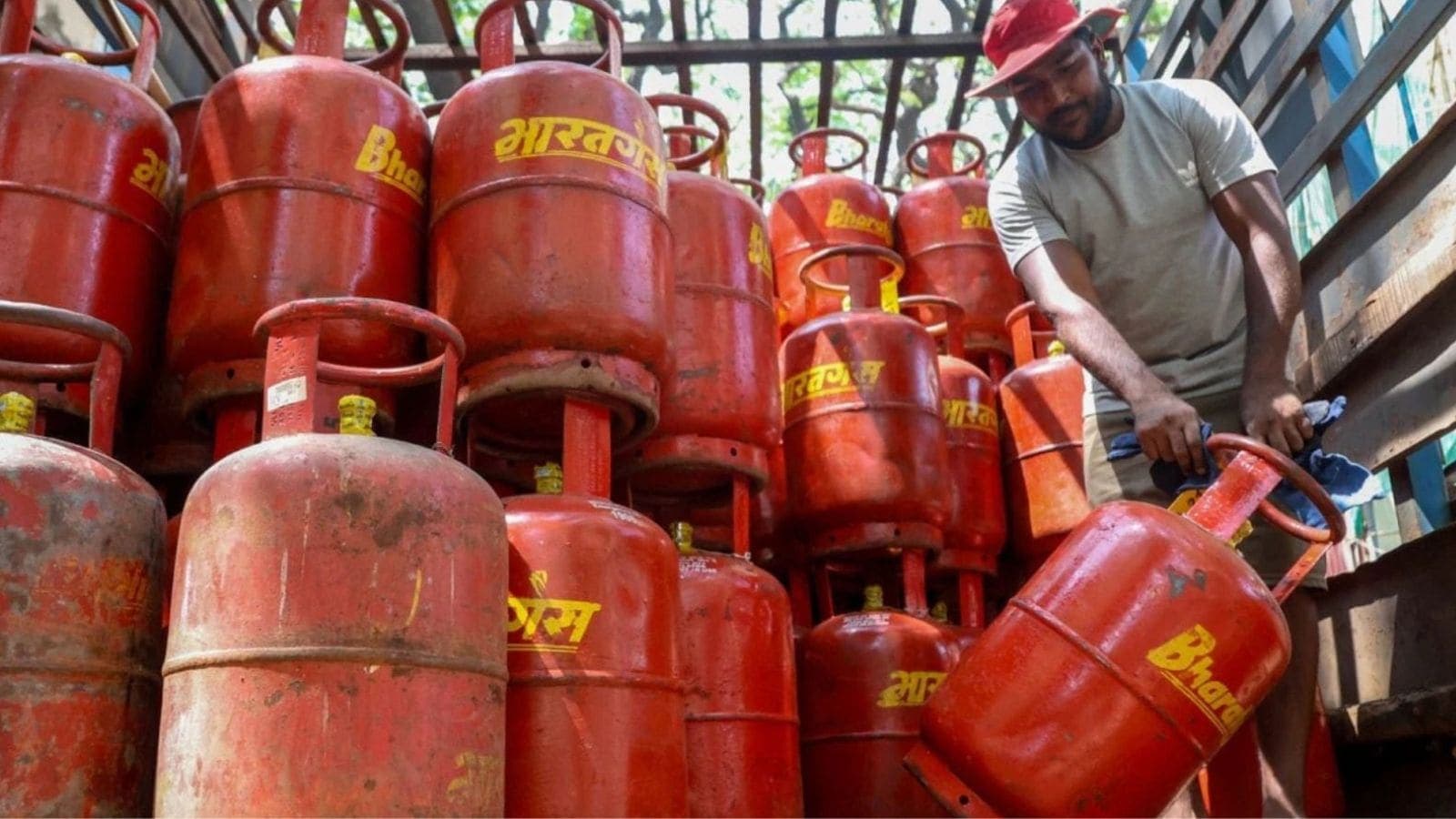
Commercial LPG prices have risen again, with increases of ₹42 in Delhi and ₹53.50 in Kolkata impacting businesses and consumers alike. Find out more.
Indian Express
Discover how a tragic coal mine explosion in Shanxi, China, reveals ongoing safety concerns in the industry amidst a push for green energy.
BBC Business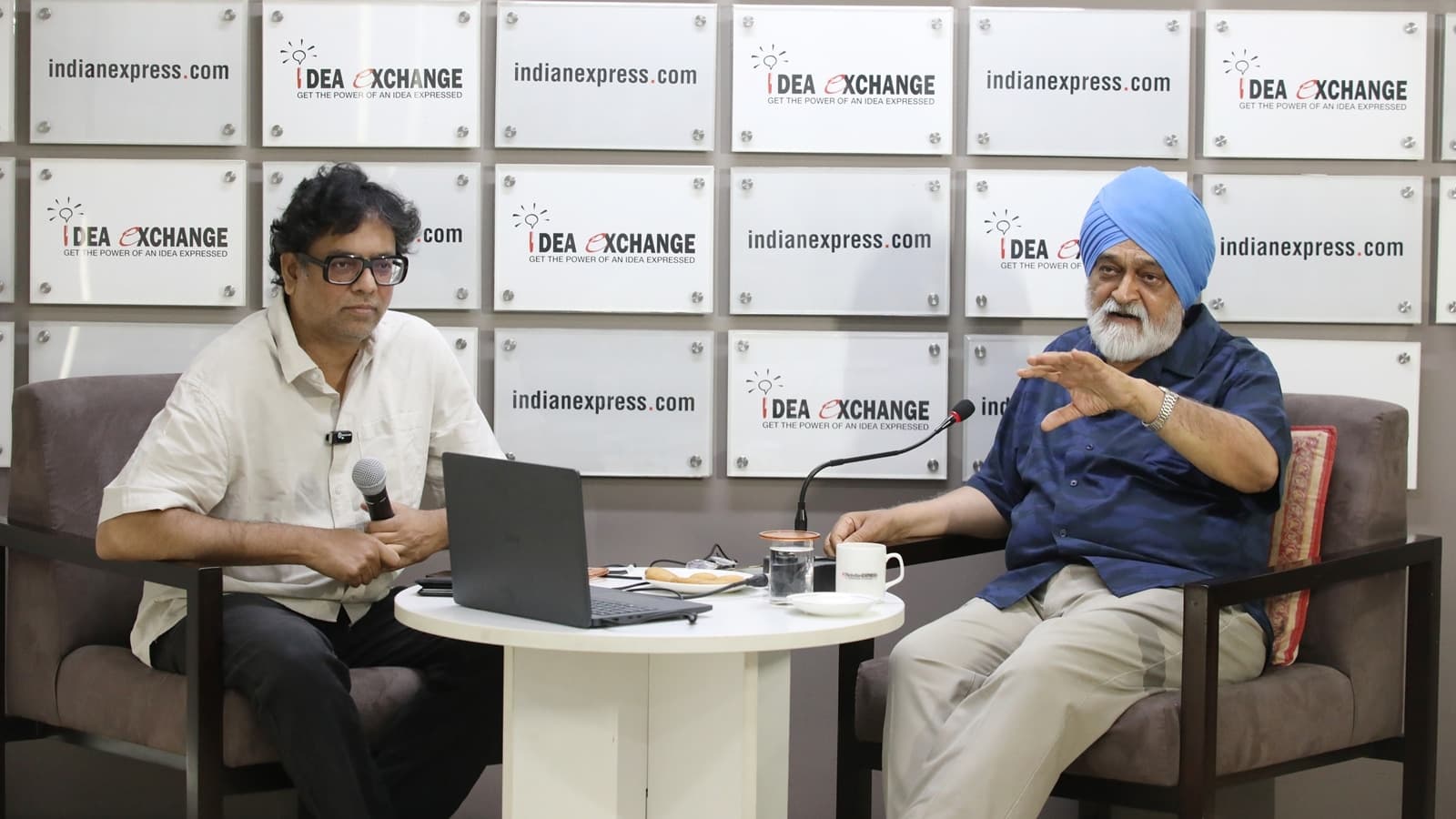
Montek Singh Ahluwalia highlights key economic challenges for India, emphasizing the need for a strategic approach to balance payments and investment.
Indian Express