Discover how Machiavelli's insights on war resonate today amid escalating US-Iran tensions. What does this mean for global politics? Click to learn more!
Glipzo News Desk|Source: Mint (Business)
Share
Glipzo
Key Highlights
Machiavelli: 'Wars begin when you will, but end when you can't.'
US deploys thousands of Marines amid escalating Middle East conflict.
Iran retaliates after US-Israel strike; chaos erupts in Dubai.
Machiavelli's legacy reminds us of war's unpredictable nature.
What does Machiavelli's wisdom mean for today's leaders?
Niccolò Machiavelli’s Profound Insight on Warfare
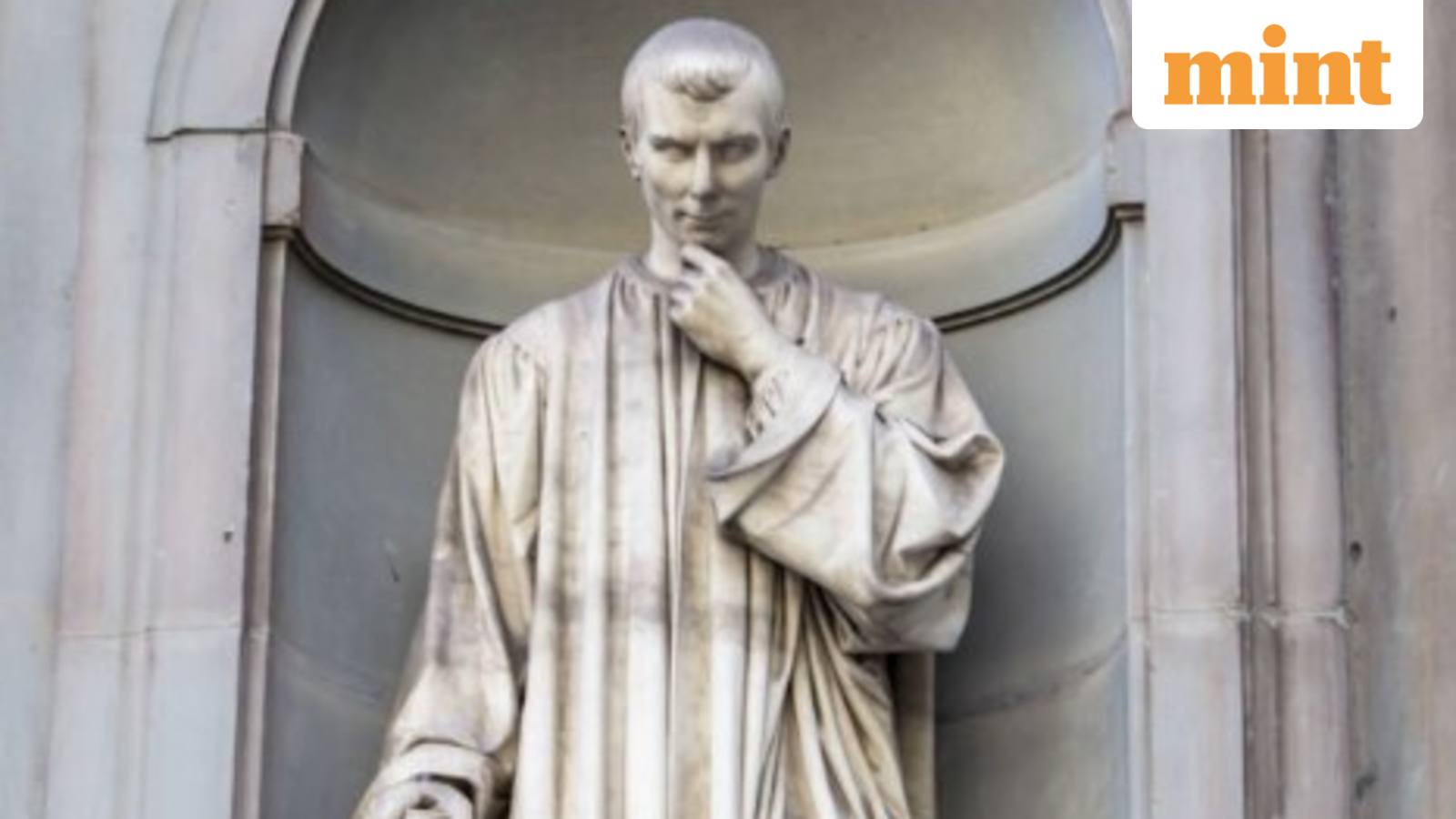
**“Wars begin when you will, but they do not end when you please.”** These words, spoken by **Niccolò Machiavelli**, a pivotal figure in Renaissance political thought, resonate eerily in today’s geopolitical landscape. As tensions escalate in the Middle East, particularly between the **United States**, **Iran**, and **Israel**, Machiavelli's perspective on the unpredictable nature of war feels more relevant than ever.
The recent surge in military presence by the U.S. in the region, comprising thousands of additional **Marines** and **Sailors**, underscores the escalating conflict, now entering its third week. This military maneuvering highlights the complexities of modern warfare, where the initiation of conflict can be a conscious decision, but the resolution often spirals beyond the control of those who instigated it.
## Ongoing Middle Eastern Tensions
On **February 28**, a significant escalation occurred when Iran retaliated after a joint attack from U.S. and Israeli forces. Reports suggest that key Iranian figures, including **Supreme Leader Ayatollah Khamenei**, were targeted, leading to widespread chaos across major hubs like **Abu Dhabi** and **Dubai**. The repercussions were immediate: **Dubai airports** ceased operations, stranding countless travelers and disrupting global flight patterns.
Machiavelli’s assertion serves as a stark reminder of the chaos that ensues when military actions are taken. Leaders might orchestrate wars, but the fallout—loss of life, economic disruption, and international instability—often spirals into an uncontrollable situation, illustrating the inherent unpredictability of armed conflict.
## The Legacy of Machiavelli
Born in **1469** in **Florence, Italy**, Machiavelli was not merely a theorist but a pragmatic statesman whose experiences shaped his views on power and governance. His most notable work, **‘The Prince’ (Il Principe)**, has solidified his reputation as a controversial thinker. Critics often label him as an immoral cynic due to his candid exploration of power dynamics and political manipulation.
During his time in political office, Machiavelli produced several works reflecting on the political landscape of Florence. However, it was in exile that his most significant contributions emerged. In a revealing letter from **December 10, 1513**, Machiavelli detailed his daily life, which included solitary walks in the woods and evenings devoted to reading and contemplation. He described his passion for writing as a fulfillment of his true calling, stating, **“I feed on the food that alone is mine and that I was born for.”**
## The Relevance of Machiavellian Thought Today
Machiavelli’s reflections on power and strategy challenge contemporary leaders to consider the broader implications of their decisions. His insights into the nature of war highlight that while initiating conflict may be a calculated choice, the consequences extend far beyond initial intentions.
As the situation in the Middle East continues to evolve, the international community must grapple with the realities of Machiavelli’s observations. The human cost of war remains staggering, and the ongoing conflict showcases the volatility of human affairs, where control can easily slip from the hands of those who believe they hold the reins.
## What Lies Ahead?
Looking forward, observers should keep a close eye on the unfolding dynamics in the Middle East. The involvement of global powers, the response of regional actors, and the potential for diplomatic resolutions will be pivotal in shaping the future landscape.
As tensions simmer, will the words of Machiavelli serve as a cautionary tale for leaders, urging them to consider the long-term ramifications of their actions? The world watches as events continue to unfold, reminding us all of the complexity and unpredictability that accompanies the pursuit of power and conflict.
Stay informed about the latest developments in global politics, as understanding these intricate dynamics is crucial to navigating the future of international relations.