
Image: Mint (Business)
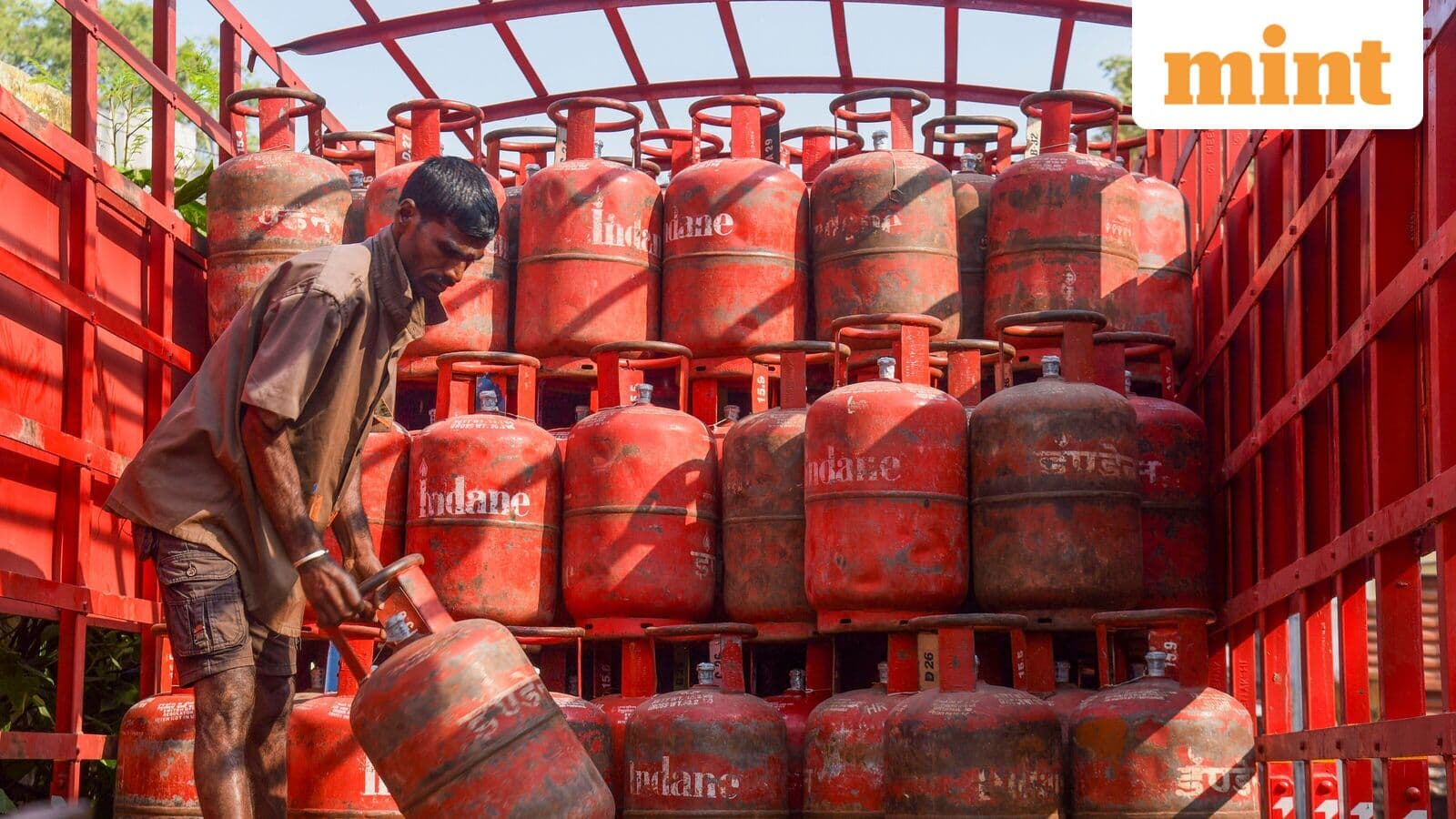
LPG prices in India have surged, significantly affecting both households and businesses. As of recent reports, the cost of a 14.2 kg domestic cooking gas cylinder has risen by ₹60, while the 19 kg commercial cylinder has seen an increase of ₹144 across various major cities, including Delhi, Mumbai, Kolkata, and Bengaluru. This adjustment adds financial pressure to consumers and restaurant operators alike.
The latest price hike is attributed to supply disruptions in liquid petroleum gas (LPG) due to escalating geopolitical tensions involving the United States, Israel, and Iran. The ongoing conflict has caused significant LPG supply chain issues, leading to increased costs for oil marketing companies (OMCs) in India.
The new pricing structure for LPG cylinders varies by location, reflecting local sales tax and value-added tax (VAT) rates. Here’s a snapshot of current rates for 14.2 kg domestic cylinders and 19 kg commercial cylinders in major cities:
Note: Prices for the Ujjwala scheme, which provides over 10 crore connections to economically disadvantaged households, remain unaffected.
The restaurant and hospitality industry in India is feeling the pinch of this LPG crisis. With government measures prioritizing high-need sectors like education and healthcare, many eateries are facing a sharp decline in the availability of commercial LPG.
This precarious situation is prompting restaurant owners to express concerns over their ability to continue operations amidst fluctuating supply levels.
In light of the escalating LPG crisis, the Indian government has enacted measures under the Essential Commodities Act, 1955. This legislation grants the central government authority to regulate the distribution of essential goods, including cooking gas, to prevent hoarding and price gouging.
The current LPG price increase in India has profound implications for both households and the hospitality sector. As cooking gas becomes increasingly expensive and supplies dwindle, consumers and businesses alike must adapt to a rapidly changing landscape. The government's intervention through regulatory measures aims to alleviate some of the pressures, but the long-term resolution of the supply crisis will require careful navigation of international relations and domestic energy policies.
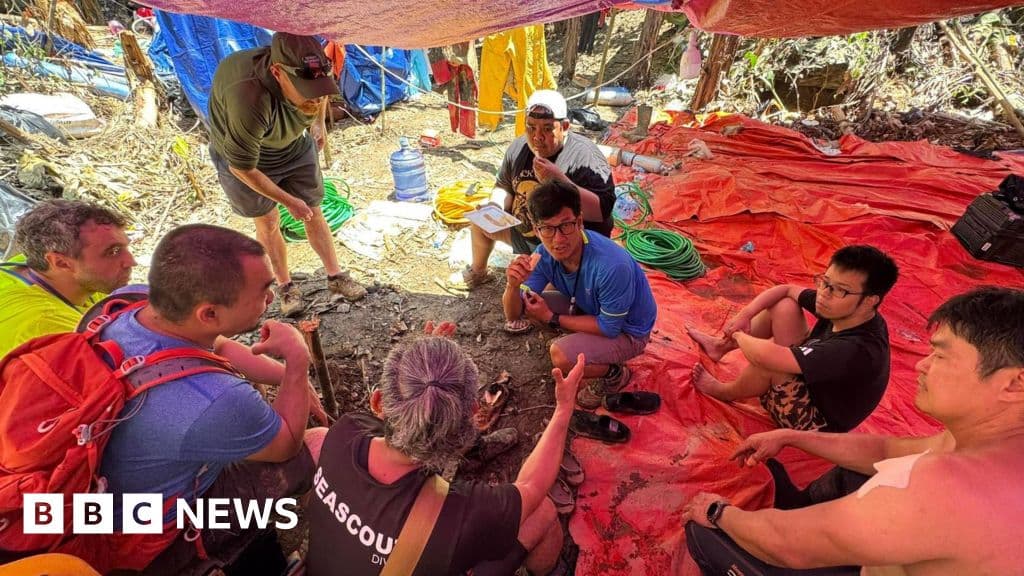
Survivors of the Laos cave rescue are aiding efforts to find the last two missing men trapped inside, sharing crucial insights for the search operation.
BBC World
A year after the tragic Air India crash, the Ali family reflects on grief, unanswered questions, and the enduring bonds of love in the face of loss.
BBC Business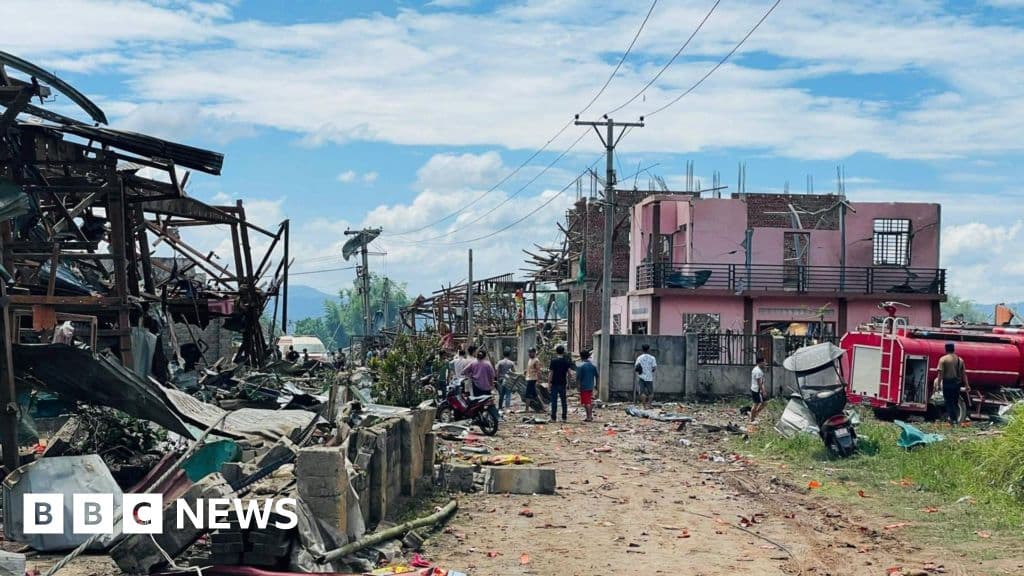
A devastating explosion in Myanmar's Kaung Tat village has killed at least 55 people, raising serious safety concerns and questions about civilian protection in conflict zones.
BBC World