
Image: Mint (Business)
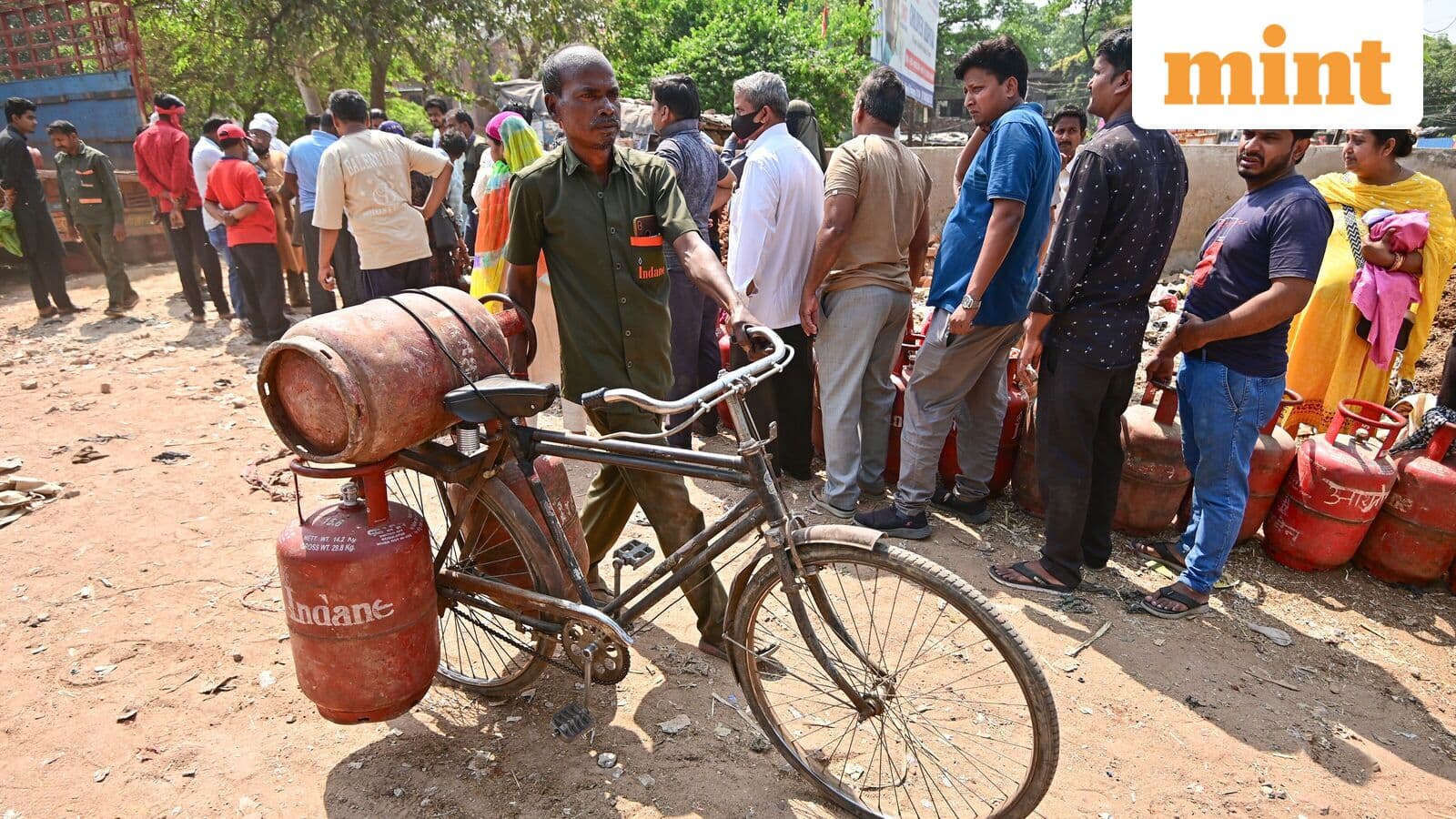
Stay updated on LPG cylinder prices in major Indian cities as tensions in the Middle East continue to affect supply chains. Click to learn more!
GlipzoOn March 24, 2023, the prices of domestic and commercial LPG cylinders across India remained stable, despite mounting geopolitical tensions in the Middle East. These tensions are largely attributed to the ongoing conflict involving Iran and the United States, which has raised alarms about potential supply disruptions in the crucial Strait of Hormuz, a vital route for global oil and gas shipments.
The Strait of Hormuz is essential for India, as it accounts for about 90% of the country’s LPG imports. Alarmingly, India relies on imports for approximately 60% of its total LPG needs, making it particularly vulnerable to any disruptions in supply chains. While both the government and Oil Marketing Companies (OMCs) have sought to reassure the public regarding supply availability, the situation remains precarious.
In light of the escalating conflict, Prime Minister Narendra Modi addressed the Lok Sabha on March 23, emphasizing the serious implications for India. He described the ongoing war in the Middle East as a growing concern, highlighting its economic, national security, and humanitarian impacts.
To mitigate the impact of the LPG supply situation, the Indian government has activated the Essential Commodities Act, 1955, enabling tighter control over distribution. This includes a tiered distribution strategy that prioritizes domestic households while limiting commercial supplies to one-fifth of their typical needs.
Despite the global crisis, there have been no further adjustments to LPG cylinder prices since early March when the government implemented a price increase. The domestic LPG price rose by ₹50 for a 14.2 kg cylinder, while the commercial LPG price saw a hike of ₹144 for a 19 kg cylinder. As of today, here are the prices across several major cities:
The geopolitical landscape continues to evolve, and India must brace for the repercussions of the ongoing Middle Eastern conflict. As Prime Minister Modi pointed out, the challenges posed by this situation are multifaceted. Economically, the potential for increased LPG prices could affect household budgets and operational costs for businesses, especially amid rising inflation globally.
The government's proactive approach through the Essential Commodities Act aims to stabilize the supply of essential goods, but there remain uncertainties about how long these measures will suffice. The international oil market is notoriously volatile, and any escalation in conflict could have immediate consequences for LPG prices in India.
As we look ahead, several factors will be crucial in determining the trajectory of LPG cylinder prices in India: - Global Oil Prices: Fluctuations in the global oil market will directly impact the cost of imported LPG. - Geopolitical Developments: Any escalation or resolution in the Middle East conflict will likely influence supply routes and availability. - Domestic Demand: Changes in consumer demand, particularly in commercial sectors, will also play a role in price adjustments.
In summary, while the current prices remain unchanged, the situation is dynamic, and consumers should stay informed as developments unfold. Monitoring the crisis in the Middle East will be essential for predicting future LPG pricing trends.
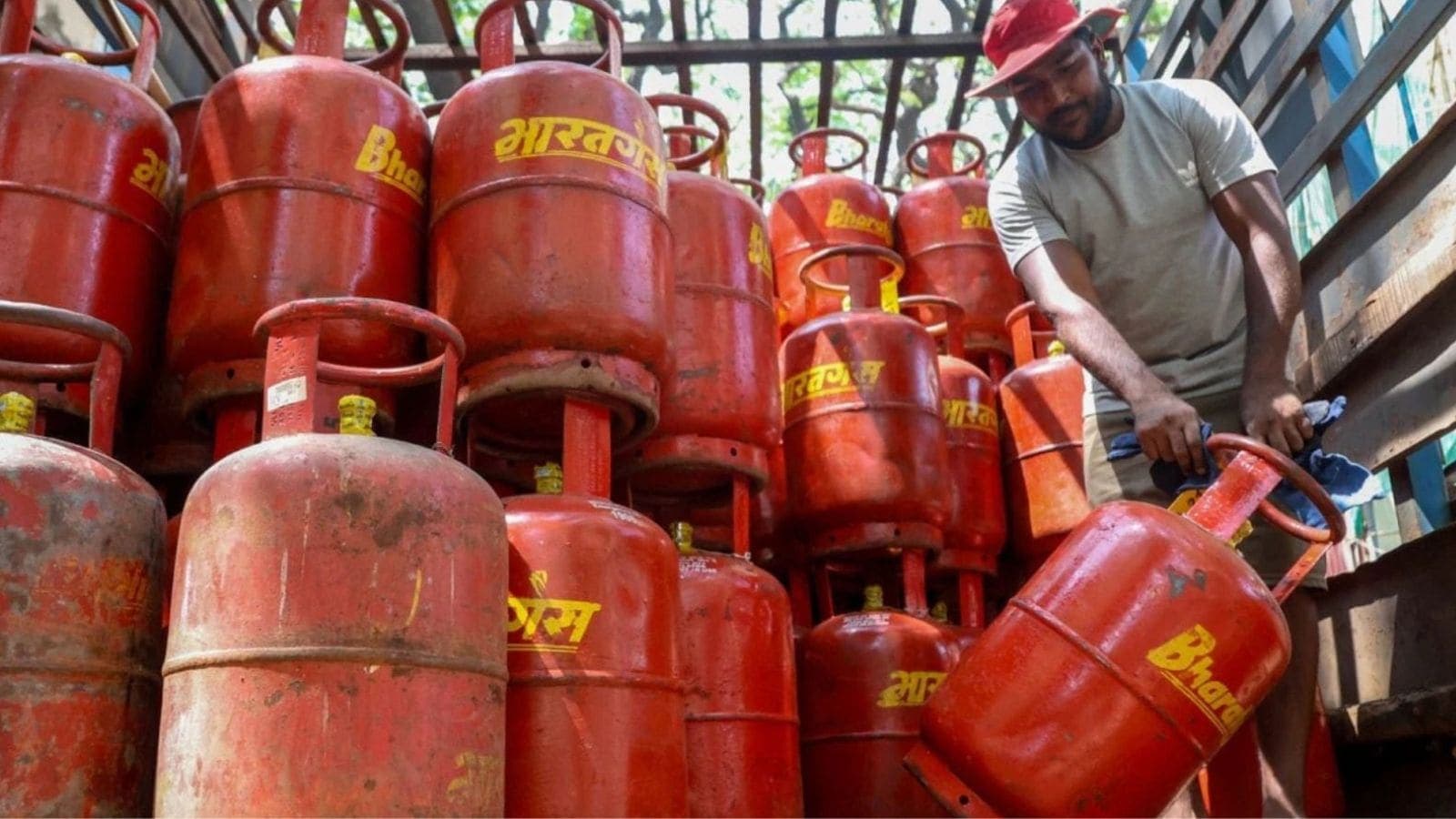
Commercial LPG prices have risen again, with increases of ₹42 in Delhi and ₹53.50 in Kolkata impacting businesses and consumers alike. Find out more.
Indian Express
Discover how a tragic coal mine explosion in Shanxi, China, reveals ongoing safety concerns in the industry amidst a push for green energy.
BBC Business
Montek Singh Ahluwalia highlights key economic challenges for India, emphasizing the need for a strategic approach to balance payments and investment.
Indian Express