

Image: Mint (Business)
Discover the latest LPG cylinder price hikes in India amid West Asia tensions. What does this mean for consumers and businesses? Click to learn more!
GlipzoIn a significant shift that affects households and businesses alike, LPG cylinder prices have risen sharply across India as of March 18, 2023. The ongoing geopolitical turmoil in West Asia, particularly following military actions involving the United States and Israel against Iran, has created a ripple effect that is felt in local markets. This event has escalated crude oil and liquefied petroleum gas (LPG) prices globally, leading to increased costs for both domestic and commercial cooking gas cylinders in major cities like Delhi, Mumbai, and Kolkata.
This latest price hike has seen the cost of a 14.2 kg domestic LPG cylinder increase by ₹60, while a 19 kg commercial cylinder has surged by ₹144. These adjustments mark a notable response to the disruption of supply lines, particularly through the Strait of Hormuz, a crucial passageway for about 85-90% of India's LPG imports sourced from West Asian countries such as Saudi Arabia and Qatar.
One of the key aspects to consider is the regional variation in LPG prices across India, which is largely influenced by local Value Added Tax (VAT) and freight charges. As a result, consumers will notice differing prices in various states, complicating the overall landscape of LPG accessibility.
Despite these price hikes, the Indian government has assured the public that LPG availability remains stable. However, the recent increases are generating significant challenges within the hospitality sector. Many businesses are facing operational disruptions, with several restaurants and hotels temporarily halting services due to rising costs. Some eateries have been forced to remove specific items from their menus or even switch to using firewood stoves as a cost-effective alternative.
The backdrop of this crisis is the ongoing conflict in the Middle East, where the recent attacks and subsequent retaliations have sparked fears of prolonged supply disruptions. The Indian Navy has taken measures to secure maritime routes, deploying two task forces to protect merchant vessels transporting LPG and crude oil to India. This escalation is characterized by Iran's recent conditions for the safe passage of Indian-flagged vessels, which involves discussions about the exchange of seized tankers.
The Oil Ministry has highlighted a significant increase in online LPG bookings, rising from 84% to 90%, reflecting consumer concerns and the urgency to secure supplies. Additionally, the Delivery Authentication Code (DAC) coverage has jumped from 53% to 72% to prevent cylinder diversions at the distributor level.
The ramifications of the LPG price increase are widespread. Many families are feeling the pinch as they adjust their budgets to accommodate the rising costs. Businesses, particularly in the food sector, are also grappling with the financial strain. Here are some key points regarding the ongoing situation:
Despite the challenges, the government emphasizes that there are no shortages at LPG distributorships, and production levels at refineries have reportedly increased by 36%. This boost aims to alleviate the pressures faced by households and businesses scrambling for alternatives amid a turbulent market.
As the situation evolves, several key factors will shape the future of LPG pricing and availability in India. Stakeholders and consumers should keep a close eye on:
In conclusion, the current LPG crisis highlights not only the vulnerability of supply chains in times of geopolitical unrest but also the essential nature of cooking gas in everyday life. The government's assurance of stable supplies combined with increased local production offers some hope, yet consumers and businesses will need to remain vigilant as they navigate this challenging environment.
Eshita Gain, a digital journalist at Mint, provides insights into these developments, ensuring that the public remains informed about critical changes in the LPG landscape. Stay tuned for further updates as this situation continues to unfold.
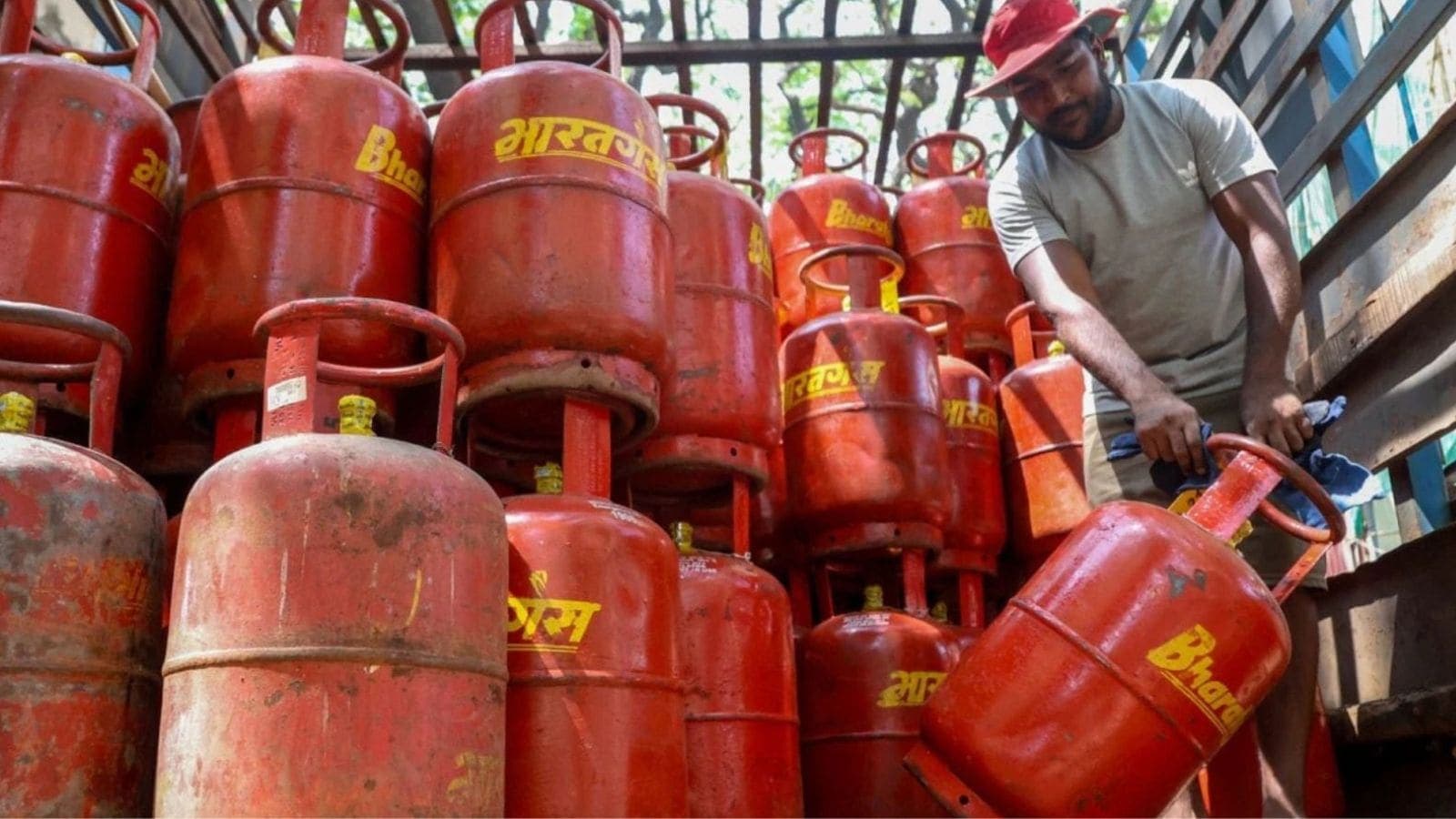
Commercial LPG prices have risen again, with increases of ₹42 in Delhi and ₹53.50 in Kolkata impacting businesses and consumers alike. Find out more.
Indian Express
Discover how a tragic coal mine explosion in Shanxi, China, reveals ongoing safety concerns in the industry amidst a push for green energy.
BBC Business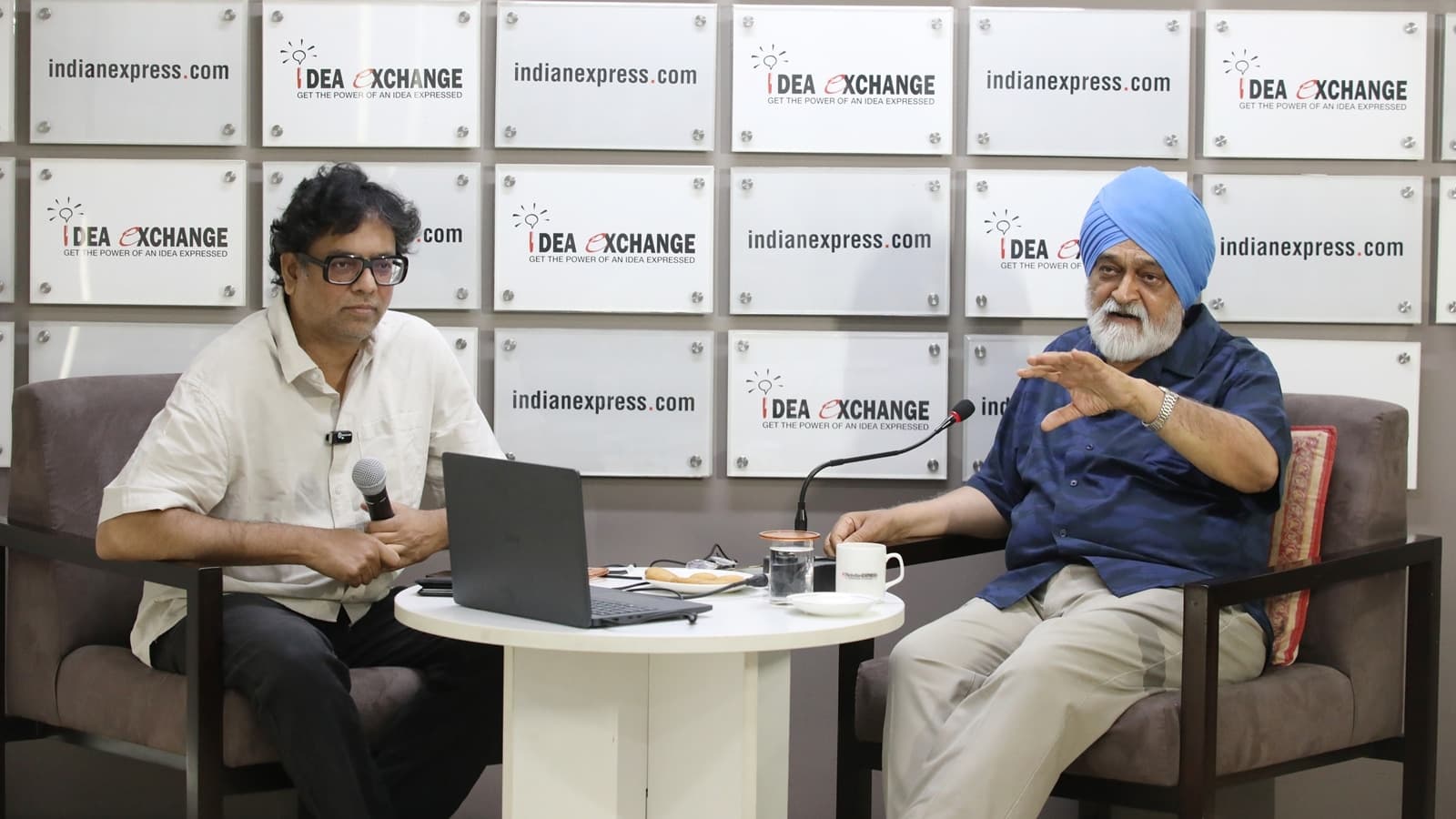
Montek Singh Ahluwalia highlights key economic challenges for India, emphasizing the need for a strategic approach to balance payments and investment.
Indian Express