
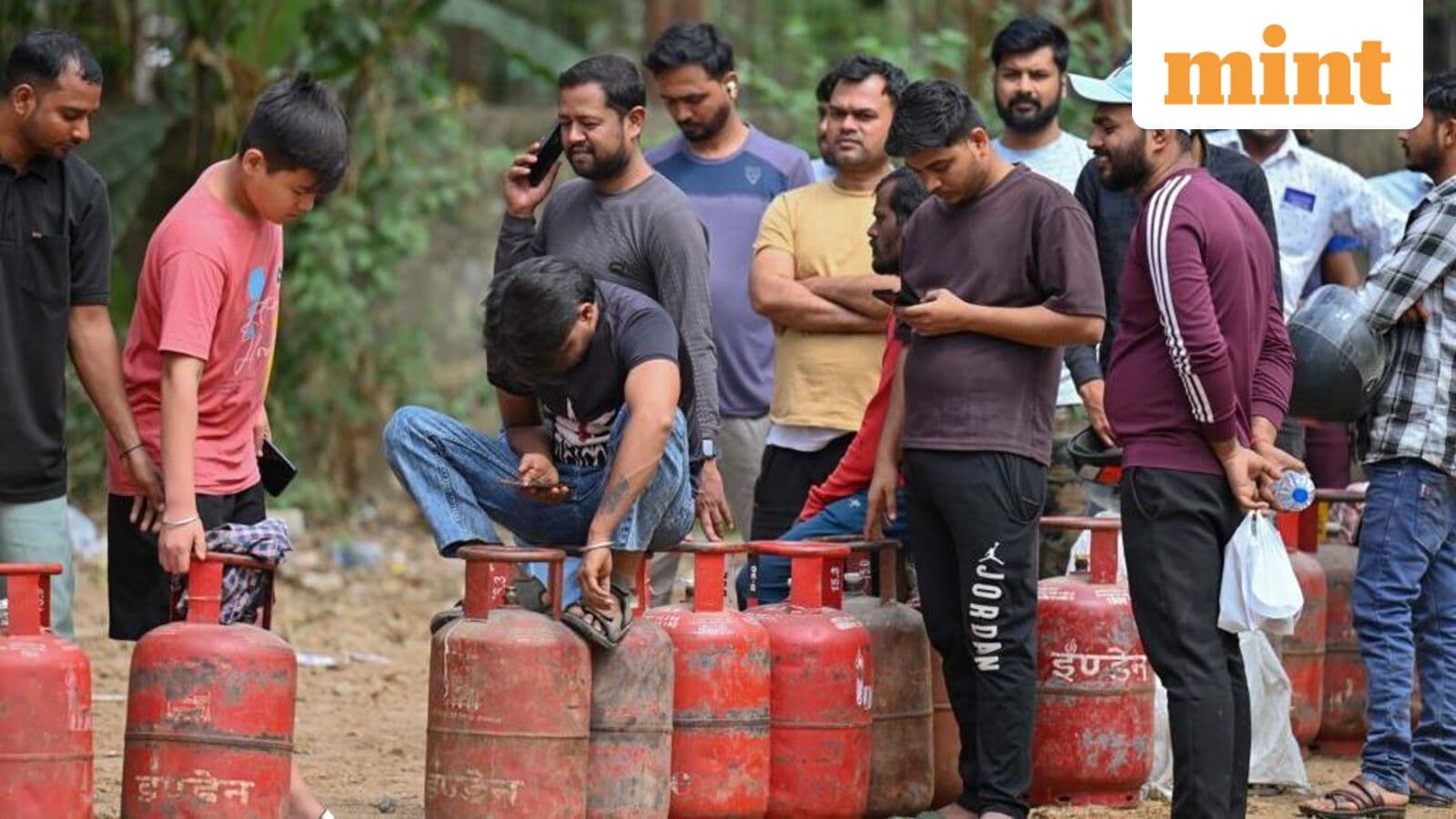
Image: Mint (Business)
Discover the latest LPG cylinder price hikes in India amid a global supply crisis. What does this mean for consumers and the future of energy security?
GlipzoIn a challenging time for India's energy sector, liquefied petroleum gas (LPG) prices have seen a notable spike due to escalating tensions in the Middle East. As of March 27, the cost for a 14.2 kg domestic LPG cylinder has surged by ₹60, while the 19 kg commercial cylinder has climbed by ₹144. These adjustments reflect the ongoing upheaval in supply chains, particularly as 60% of India's LPG imports come from the Gulf region, making the country vulnerable to international conflicts.
The war in Iran has inflicted significant damage on key supply routes, prompting the Indian government to take swift action. With the Strait of Hormuz being a critical shipping lane, the disruption has necessitated a thorough re-evaluation of maritime logistics to safeguard domestic consumers from severe shortages.
In light of these developments, the Indian government has prioritized the supply of liquefied natural gas (LNG) for household needs and compressed natural gas (CNG) for transportation. Despite the chaos in West Asia, officials have assured the public that India has successfully navigated through potential crude oil shortages by diversifying its sourcing strategies. The country has secured consistent oil supplies from regions such as West Africa, Latin America, and the United States, which helps to stabilize the production of petrol and diesel.
A statement released by the Bharatiya Janata Party (BJP) affirmed, "The central government, through its policy measures, has managed to keep the impact of the shortage very limited." This reinforces the government's commitment to ensuring that the public remains unaffected amidst the turmoil.
As of Thursday, the Ministry of Petroleum and Natural Gas has confirmed that India possesses approximately 60 days of fuel stock cover. Officials have firmly dismissed rumors of shortages as part of a "deliberate misinformation campaign" aimed at inciting panic among consumers. The ministry further clarified that all petrol stations across the nation are well-stocked and functioning normally, with no rationing of petrol or diesel occurring at this time.
According to the ministry's statement, "Every Indian refinery is operating at over 100% utilization." The government reassured citizens that it has adequately secured crude oil supplies for the next 60 days and emphasized that there are no supply gaps to worry about.
In a significant policy move, the government has mandated a transition for consumers from LPG to piped natural gas (PNG) in areas where this option is feasible. An order issued on March 24 has set a deadline for consumers, emphasizing the need to obtain a PNG connection. This shift aims to streamline energy consumption and reduce reliance on imported LPG, ultimately enhancing domestic energy security.
Officials have indicated that if consumers do not make the switch to PNG, their LPG supply will be discontinued. This new policy not only reflects the urgency of adapting to changing energy dynamics but also aligns with broader environmental goals aimed at reducing carbon emissions.
The implications of these developments are profound. The surge in LPG prices directly affects household budgets, particularly for lower-income families who rely heavily on subsidized cooking gas for daily meals. Furthermore, the government's swift response underscores the importance of energy security in times of international crisis. By diversifying supply sources and promoting cleaner energy alternatives like PNG, India is taking proactive steps to bolster its energy independence.
Looking ahead, the focus will likely remain on monitoring international developments that could further impact energy supplies. As the crisis evolves, it is vital for consumers to stay informed about potential changes in energy policy and pricing.
As India navigates the complexities of global energy markets, the coming weeks will be critical in determining how effectively the country can mitigate the impacts of international conflicts on domestic energy supply. With assurances of adequate stocks and a push towards cleaner energy sources, the government appears committed to maintaining stability in the energy sector. However, consumers should prepare for potential fluctuations in pricing and remain vigilant about the government's energy policies as the situation unfolds.
By staying informed, citizens can better manage their energy needs as India continues to adapt to the shifting landscape of global energy security.
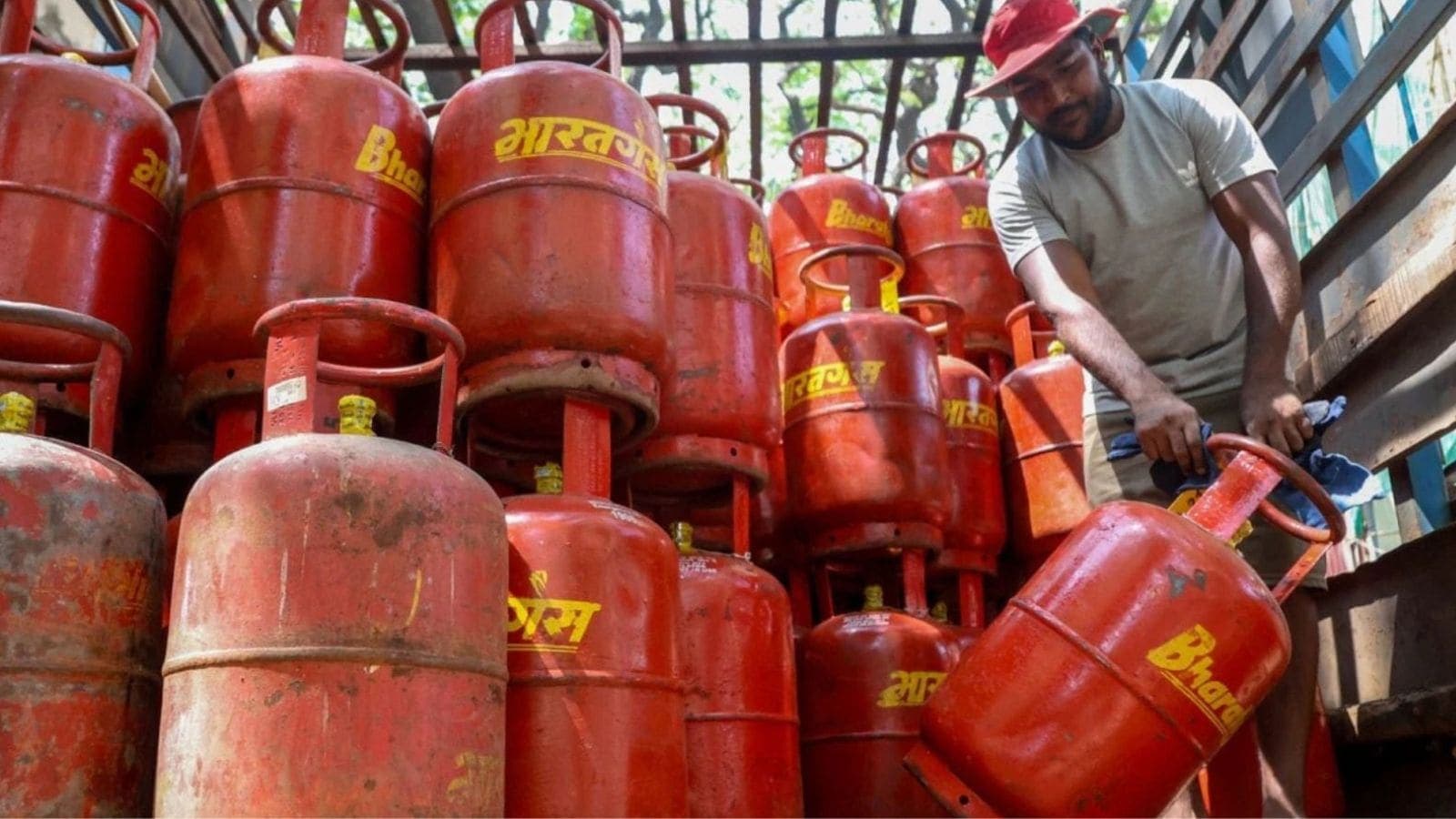
Commercial LPG prices have risen again, with increases of ₹42 in Delhi and ₹53.50 in Kolkata impacting businesses and consumers alike. Find out more.
Indian Express
Discover how a tragic coal mine explosion in Shanxi, China, reveals ongoing safety concerns in the industry amidst a push for green energy.
BBC Business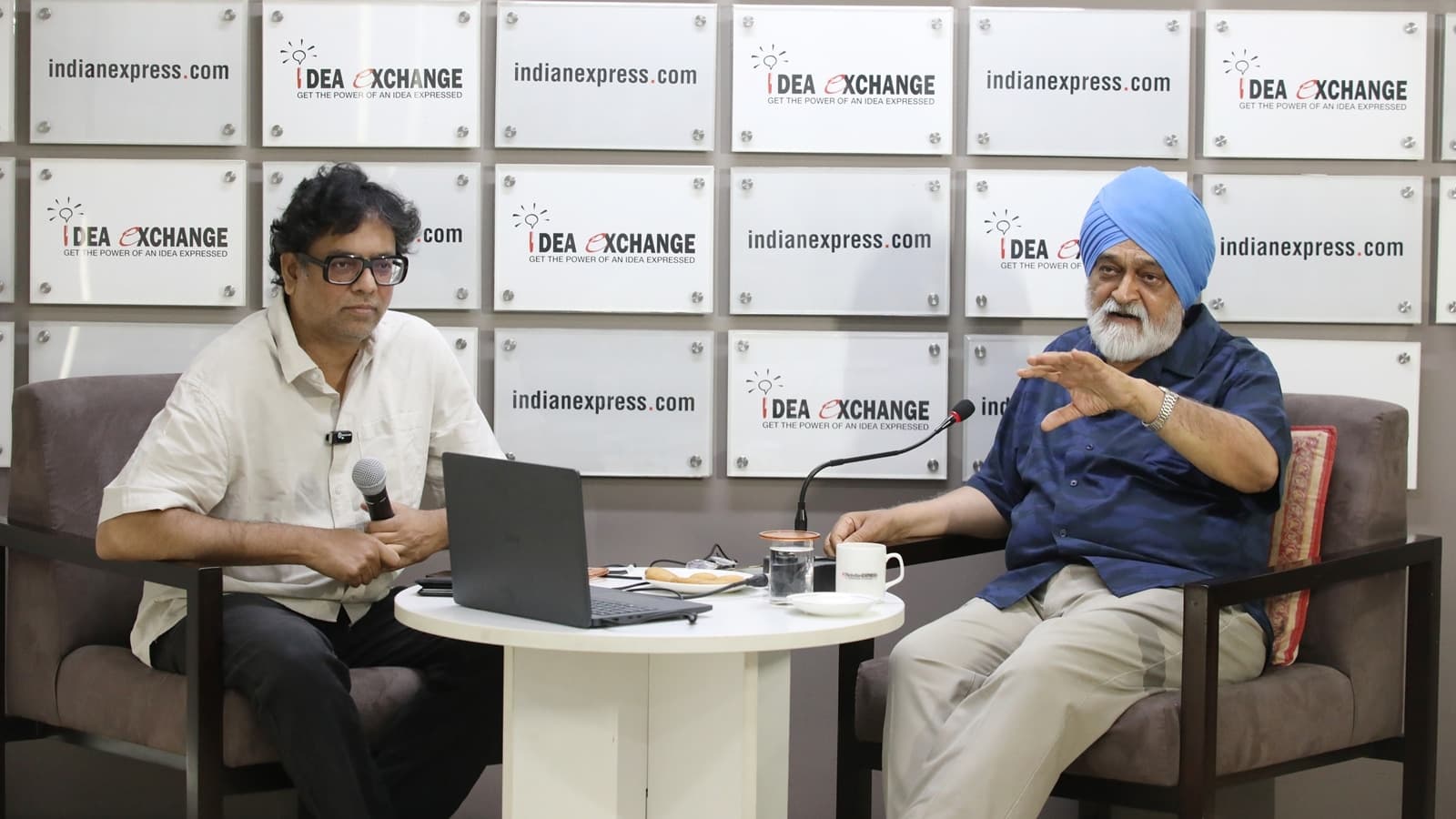
Montek Singh Ahluwalia highlights key economic challenges for India, emphasizing the need for a strategic approach to balance payments and investment.
Indian Express