
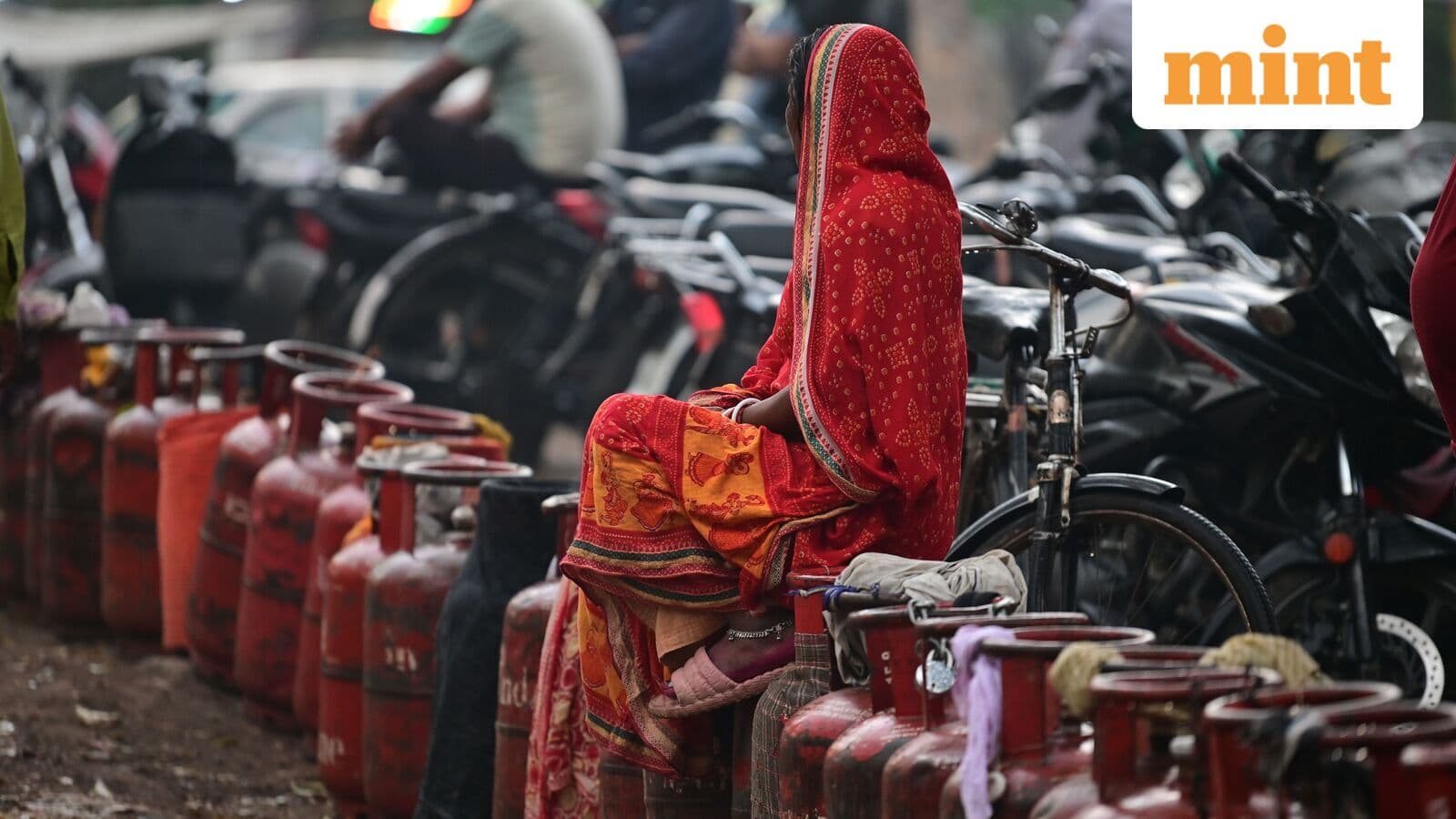
Image: Mint (Business)
Explore the latest LPG cylinder prices in India as conflict in Iran disrupts supply chains. Learn about government responses and what to expect next.
GlipzoAs of March 20, households and businesses across India are feeling the pinch as the nation faces a shortage of cooking gas due to the ongoing conflict in Iran. The situation has unfolded over three weeks, prompting the central government to assure citizens that domestic reserves remain ample to meet current demands. However, the reality is more complex.
India stands as the third-largest oil consumer globally, heavily reliant on imports from West Asia. A staggering over 40% of its crude oil and 90% of its LPG supplies are sourced from this volatile region, making the nation vulnerable to geopolitical tensions.
The closure of the Strait of Hormuz has compelled India to explore alternative sourcing options, notably from West Africa and Russia. While this strategy may diversify supply routes, it comes with increased freight and insurance costs, further straining the economic landscape.
In response to the ongoing scarcity, the government has rolled out a tiered distribution model that prioritizes domestic households over commercial establishments like hotels. This change means that supply to commercial users has been slashed to 20% of their usual requirements, leaving many businesses scrambling for alternatives.
In early March, the government hiked prices for both domestic and commercial LPG cylinders. This adjustment saw the cost of a 14.2 kg domestic cooking gas cylinder rise by ₹60, while the 19 kg commercial cylinder saw an increase of ₹144. This price adjustment reflects the broader supply disruptions affecting the nation. Notably, these prices have remained stable since the initial hike.
The variation in LPG prices across different states can be attributed to local Value Added Tax (VAT) and varying freight charges.
Interestingly, beneficiaries of the Pradhan Mantri Ujjwala Yojana (PMUY), a scheme that has provided over 10 crore gas connections to low-income families, have not seen price changes, according to PTI reports.
As tensions in West Asia disrupt trade routes, India is proactively engaging with global partners to safeguard its energy supply. Randhir Jaiswal, spokesperson for the Ministry of External Affairs, emphasized that ongoing diplomatic efforts have successfully facilitated the passage of two Indian LPG vessels through the Strait of Hormuz.
"A couple of days back, you saw that because of our engagement, we were able to get two of our LPG ships through the Strait of Hormuz," Jaiswal stated, highlighting the importance of diplomatic channels in ensuring energy security.
The government continues to coordinate with various stakeholders to ensure uninterrupted energy supplies and to protect the safety of Indian citizens residing in the Gulf region. Jaiswal reiterated the commitment to engage with multiple parties to address energy needs while prioritizing the well-being of the Indian diaspora in GCC countries.
In light of the significant disruptions caused by the crisis, the central government has announced a financial relief package worth ₹497 crores to support exporters adversely affected by the situation in West Asia.
Senthil Rajan, Joint Secretary in the Ministry of Information and Broadcasting, described the initiative as the RELIEF package, which stands for Resilience and Logistic Intervention of Export Facilitation. This program is designed to aid exporters amid the logistical challenges arising from the ongoing conflict.
The current crisis underscores India's vulnerability as a major oil consumer dependent on external sources for energy supplies. The government's tiered distribution strategy and financial relief packages demonstrate a proactive approach to managing domestic needs while navigating complex international relations.
As the situation evolves, it is crucial to monitor both the geopolitical landscape in West Asia and domestic responses to energy supply challenges. The government's commitment to ensuring energy security will be tested further as the conflict persists.
Stakeholders, consumers, and businesses alike should stay informed about potential price fluctuations and policy changes. The emphasis on diversifying supply routes might offer some relief, but rising costs and global tensions will likely continue to impact the Indian economy in the near future.
In summary, the current energy crisis not only affects cooking gas prices but also speaks to the broader implications for India's economic stability and international relations. Stay tuned for further updates as this situation develops.

Commercial LPG prices have risen again, with increases of ₹42 in Delhi and ₹53.50 in Kolkata impacting businesses and consumers alike. Find out more.
Indian Express
Discover how a tragic coal mine explosion in Shanxi, China, reveals ongoing safety concerns in the industry amidst a push for green energy.
BBC Business
Montek Singh Ahluwalia highlights key economic challenges for India, emphasizing the need for a strategic approach to balance payments and investment.
Indian Express